Best Wood Veneer Options for Global Buyers to Consider?
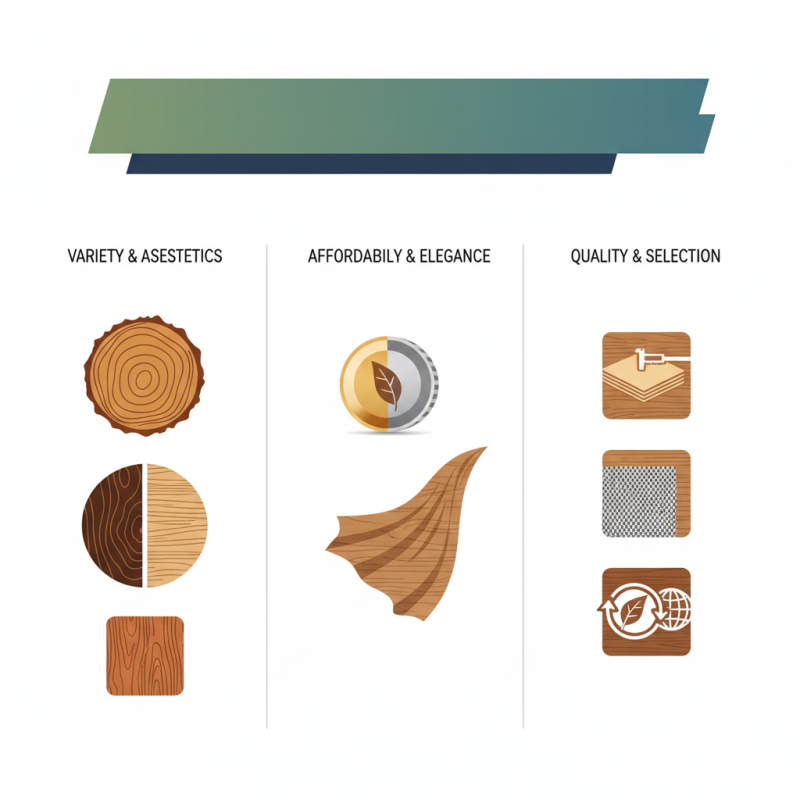
When considering Wood Veneer, buyers are met with a plethora of options. Wood veneer is not just a decorative cover; it embodies artistry and craftsmanship. This material offers a blend of affordability and elegance, making it appealing for various applications.
Understanding the variety of wood veneers available is crucial. Different species yield unique colors and grain patterns. Some options, like walnut and oak, are favored for their timeless beauty. Others, such as teak, bring warmth and richness. Each choice speaks to individual style and project needs.
Nevertheless, selecting wood veneer can also be daunting. Quality varies greatly across suppliers. Therefore, buyers must assess factors like thickness, backing material, and source sustainability. Reflecting on these aspects will ensure wise investment in wood veneer products.
Types of Wood Veneer Available for Global Buyers
Wood veneer offers a fascinating array of options for global buyers. Various types cater to different needs and preferences. Natural wood veneer is popular for its authentic grain patterns, adding warmth to any project. It’s sourced from a broad range of trees, making it versatile.
Reconstituted wood veneer is another option worth considering. Made from engineered materials, it mimics natural wood. This type can provide a consistent look with less environmental impact. However, it may lack the depth of real wood grains.
Then, there’s backers—critical for strength. They help maintain the veneer’s integrity, especially in furniture and cabinetry. Choosing the right backer can be complex. It's vital to reflect on the intended use and aesthetics. Some options may warp or peel under certain conditions. Global buyers should carefully evaluate their selections.
Factors to Consider When Selecting Wood Veneer
When selecting wood veneer, buyers should focus on several key factors to ensure they make informed decisions. The quality of the veneer is paramount. A high-quality veneer will not only enhance the aesthetics but also ensure durability. According to a report by the Wood Products Manufacturers Association, choosing veneers from sustainable sources can significantly reduce environmental impact, promoting responsible forestry practices.
The type of wood is another crucial consideration. Different species offer unique grains and colors. For example, oak provides a classic look, while walnut presents a rich, dark finish. Buyers should also examine the veneer’s thickness. Thicker veneers can withstand wear better than thinner options. Data from the American Hardwood Export Council shows that veneer thickness can affect longevity and performance in various applications.
Another factor is the manufacturing process. Techniques such as rotary cut and sliced veneer produce different patterns. Understanding these methods can help buyers select a product that meets their aesthetic goals. While many factors are clear cut, buyers often struggle with cost. High-quality veneers can be more expensive but offer better longevity. Balancing budget constraints with quality is a frequent challenge in the industry. Evaluating these aspects carefully will lead to more satisfying choices in the long run.
Best Wood Veneer Options for Global Buyers to Consider
| Wood Type | Grain Pattern | Color Variation | Thickness | Common Uses | Sustainability Rating |
| Birch | Fine, straight grain | Light yellow to white | 0.5mm - 3mm | Furniture, cabinetry | High |
| Walnut | Wavy, rich grain | Dark brown with purples | 0.6mm - 2mm | Luxury furniture, cabinets | Medium |
| Maple | Straight, fine grain | Creamy white to light brown | 0.5mm - 5mm | Flooring, furniture | High |
| Teak | Interlocked grain | Golden brown to dark brown | 1mm - 3mm | Outdoor furniture, boats | Low |
| Mahogany | Straight grain with curl | Reddish brown | 0.5mm - 2.5mm | Fine furniture, musical instruments | Medium |
Popular Wood Species Used in Veneering
When considering wood veneer options, the choice of wood species plays a crucial role in the final product's aesthetic and functional qualities. Popular species include oak, walnut, and birch. Each species offers its unique characteristics in terms of grain patterns and color. Oak veneer, for instance, is known for its durability and pronounced grain, often preferred in furniture manufacturing. According to the Wood Component Manufacturers Association (WCMA), oak remains one of the top choices among manufacturers, accounting for nearly 30% of all veneer sales.
Walnut is another favored option, celebrated for its rich, dark hue and elegant grain. It appeals to high-end clientele seeking sophistication. A report from the Wood Industry Market Research highlights that walnut's popularity has surged, especially in luxury items, reflecting a 10% increase in its market share. Birch veneer, with its fine, even texture, serves well in minimalist designs and is often used in cabinetry. However, birch can be less forgiving in terms of grain consistency, presenting a challenge for both producers and consumers wanting uniformity.
These wood species showcase the diversity in veneer options available to global buyers. Yet, selecting the right veneer goes beyond aesthetics. Buyers need to consider sustainability, sourcing practices, and durability. Failing to do so can lead to issues in product longevity and environmental impact, presenting a gap in current market practices that requires more attention.
Sourcing and Purchasing Wood Veneer Internationally
Sourcing wood veneer internationally requires careful planning. Buyers should identify the type of wood veneer they need. Popular options include oak, walnut, and cherry. Each has unique characteristics, affecting appearance and durability. Understanding these differences is crucial when making choices.
Communication is vital when dealing with suppliers. Language barriers can lead to misunderstandings. Getting everything in writing helps clarify details. Always ask for samples before finalizing any purchase. These samples show quality and give a sense of the final product.
Buyers should consider the sourcing region's reputation. Some areas are known for high-quality veneer, while others may not meet quality expectations. Ethical sourcing is also a concern. Ensuring sustainable practices is important for global buyers. Researching certifications can provide assurance.
Best Wood Veneer Options for Global Buyers
Finishing Techniques for Enhancing Wood Veneer Products
Finishing techniques can significantly enhance the beauty and longevity of wood veneer products. Applying the right finish not only enhances appearance but also protects against everyday wear and tear. Popular methods include oil, varnish, and lacquer. Each technique brings its unique properties. Oils penetrate deeply, providing a natural look and feel. Varnish offers a hard shell, creating a glossy finish that highlights grain patterns.
Consider the environment where the veneer will be used. A softer finish may suit low-traffic areas, while high-gloss finishes can elevate spaces with more activity. However, achieving the perfect balance can be challenging. Overly glossy finishes may show fingerprints and smudges easily. On the other hand, too much oil can result in an uneven sheen. Testing different products on scrap pieces before application is wise.
Incorporating stains can add depth to the veneer. A well-selected stain can dramatically alter the visual appeal. But caution is key, as it may overshadow the natural beauty of the wood. Experimenting with colors and techniques can be rewarding but may lead to unexpected results that require adjustment. Understanding these nuances allows for better decision-making in enhancing wood veneer products, aligning functional needs with aesthetic desires.