How to Choose the Best Sacks and Bags for Your Needs?
Choosing the right sacks and bags is essential for various needs. Whether you're packing for travel, storing items, or organizing your workspace, the options available can be overwhelming. Each type has unique features that cater to specific requirements. Understanding the differences can lead to better choices.
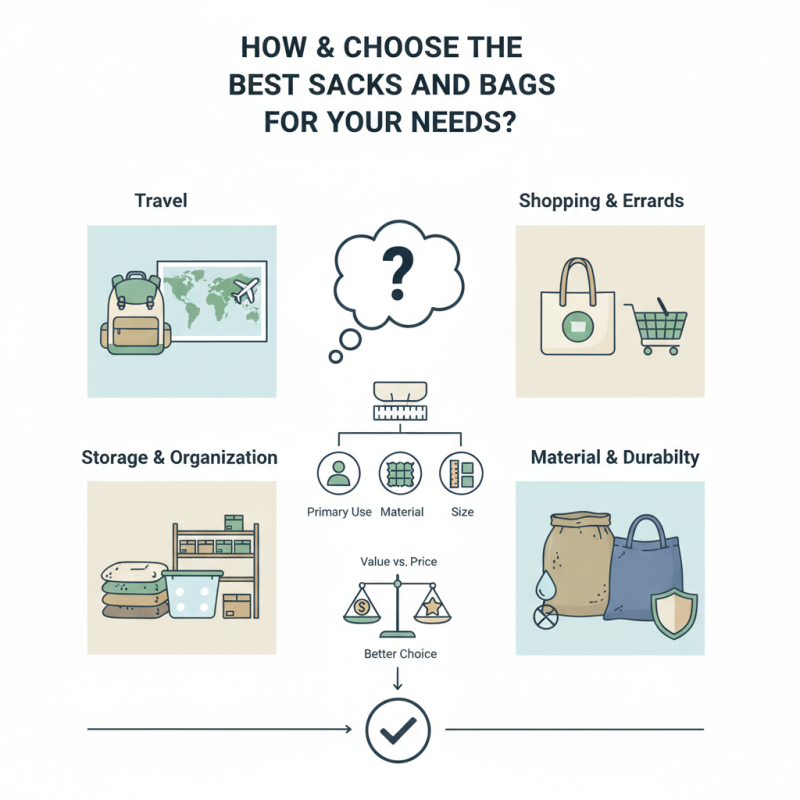
Different sacks and bags serve different purposes. For instance, backpacks are great for travel, while tote bags excel in grocery shopping. Canvas sacks may be durable but can lack the waterproof features of nylon bags. Consider your primary use, material, and size.
Sometimes, we overlook smaller details that impact our choices. Price may not always reflect quality. Knowing the intended use often leads to reflection on your purchase. Evaluate what you truly need. This process can make all the difference when selecting the best sacks and bags for your needs.
Understanding Different Types of Sacks and Bags
When choosing sacks and bags, understanding the types available is crucial. There are various designs tailored for specific uses. For instance, biodegradable sacks suit environmentally conscious users. These bags break down and minimize waste impact. Consider weight capacity when selecting. Some bags handle heavy loads, while others are lightweight for easy transport.
Backpacks and tote bags vary greatly in style and functionality. Backpacks often feature multiple compartments, making them ideal for students and travelers. In contrast, tote bags shine in everyday errands, offering simplicity and ease of access. The material matters too. Canvas, plastic, or nylon have distinct strengths. Each material serves different purposes, such as durability or waterproof capabilities.
Evaluating your needs is essential. Reflect on your daily activities and storage requirements. Do you need a bag with a zipper? Or perhaps one that’s foldable? There’s no one-size-fits-all solution here. Each decision can affect your convenience and usability. Sometimes, it’s about trial and error. Selecting the right bag may involve unexpected challenges. Be open to reassessing your choices as you discover what works best for you.
Different Types of Sacks and Bags
Assessing Your Specific Needs and Purpose for Use
When selecting bags and sacks, understanding your needs is crucial. Your purpose can greatly influence your choice. Are you looking for something durable for outdoor use? A heavier canvas might be ideal. For everyday errands, lightweight options could be sufficient. Clearly defining your intent is the first step toward making the right decision.
Consider the size and capacity you require. A small backpack may work for short trips, while larger tote bags suit grocery runs better. Reflect on what you typically carry. Assess the materials too. Do you prioritize weather resistance or breathability? Every detail adds up to your experience.
It's also essential to recognize the potential drawbacks. A sturdy bag may weigh more than expected. Simplistic designs can lack the organization that complex systems offer. By considering both your needs and potential challenges, you can navigate the selection process with more confidence. The goal is to find a solution that fulfills your requirements while remaining adaptable to future needs.
How to Choose the Best Sacks and Bags for Your Needs?
| Type of Bag/Sack |
Material |
Capacity (Liters) |
Best Uses |
Durability |
| Backpack |
Nylon |
20-30 |
Travel, Hiking |
High |
| Tote Bag |
Canvas |
10-20 |
Shopping, Daily Use |
Medium |
| Gym Bag |
Polyester |
30-50 |
Sports, Fitness |
Medium to High |
| Messenger Bag |
Leather |
15-25 |
Work, School |
High |
| Drawstring Bag |
Polyester |
10-15 |
Casual, School |
Low to Medium |
Evaluating Material Durability and Environmental Impact
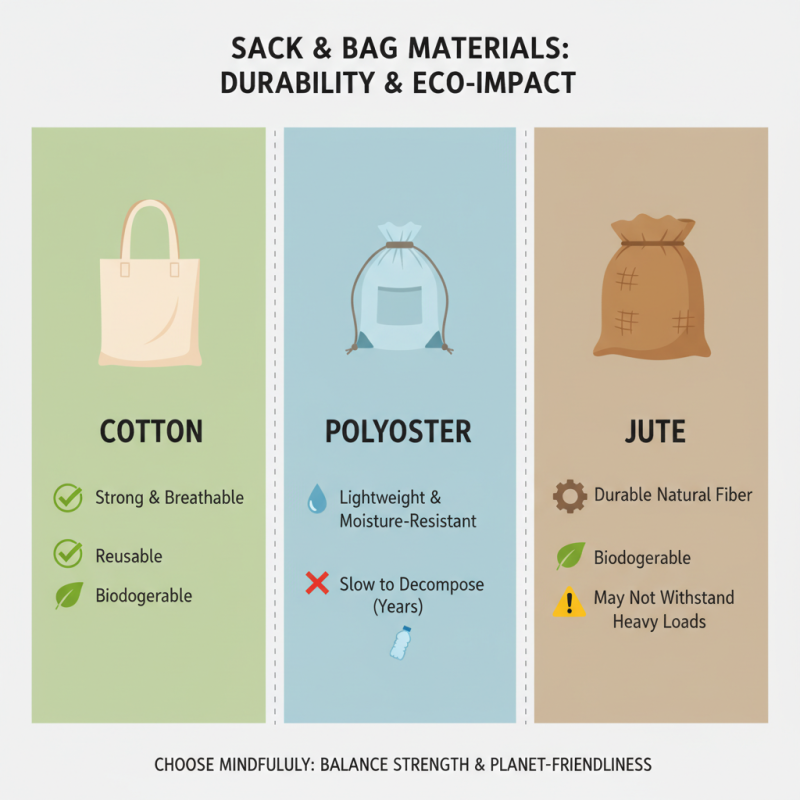
When selecting sacks and bags, material durability and environmental impact are critical factors. Different materials, such as cotton, polyester, and jute, have varying levels of durability. Cotton is strong and breathable, making it suitable for reusable bags. Polyester is lightweight and moisture-resistant, but it can take years to decompose. Jute, a natural fiber, offers durability and is biodegradable, yet it may not withstand heavy loads.
Environmental impact also needs consideration. Some materials contribute to pollution during production. For instance, synthetic materials are derived from fossil fuels, which harms the planet. On the other hand, organic cotton uses fewer chemicals. Still, the water usage is significant in its cultivation, posing issues. Opting for recycled materials is a promising alternative. They reduce waste and often have a lower environmental footprint.
People may overlook the lifecycle of these bags. What happens after they are used? Single-use bags often end up in landfills. Reusable options require proper care to extend their lifespan. We must actively seek out eco-friendly choices. It’s a step toward responsible consumption. Balancing durability and environmental considerations demands thoughtful reflection.
Considering Size, Capacity, and Weight Factors
When selecting sacks and bags, size, capacity, and weight play crucial roles. According to industry studies, bags that are too small may lead to frequent overpacking. This can cause stress on both the bag and the user. Conversely, oversized bags can lead to unnecessary weight, increasing fatigue. Choosing the right size ensures comfort and efficiency.
Capacity is often dictated by the intended use. A bag for groceries needs a different capacity than one for camping gear. Research shows that bags with a capacity of 50 liters are ideal for outdoor adventures, while everyday tote bags range around 10 to 20 liters. Assessing your needs carefully helps prevent picking a bag that doesn't meet your expectations.
Tip: Always check the weight of empty bags. Lightweight options enhance usability. Additionally, consider your storing habits. If a bag is too heavy when empty, it may not be the ideal choice. Remember, the right bag can significantly improve your daily routines and activities. Consider how often you’ll use the bag and what materials best match your lifestyle.
Budgeting and Brand Options for Quality Sacks and Bags
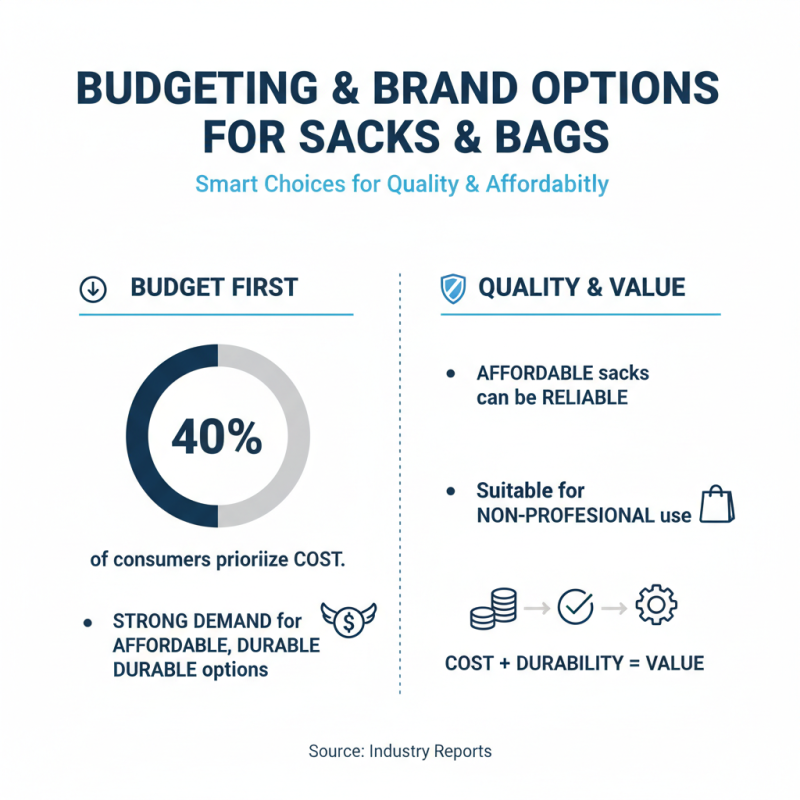
When choosing sacks and bags, budgeting plays a crucial role. According to industry reports, around 40% of consumers prioritize cost over brand quality. This indicates a strong demand for affordable yet durable options. Many budget-friendly sacks can still offer reliability, especially in non-professional environments.
While it’s tempting to go for the cheapest option, consider the total cost of ownership. A bag that quickly wears out may lead to more frequent replacements. Research suggests that investing in a moderately priced product often yields better value over time. In fact, 60% of users reported satisfaction with mid-range sacks, highlighting the balance between price and quality.
Brand reputation is another critical factor. Top brands often guarantee durability, but they might not always be the best choice for your specific needs. Lesser-known brands can provide similar quality at a lower price. However, some brands might skimp on materials, leading to inconsistencies in product performance. Analyzing customer reviews and expert opinions can help you make a more informed decision.