Top 5 Tips for Choosing the Best FIBC Bags for Your Needs
When selecting the right FIBC bags, it's essential to consider various factors. These bulk bags are widely used for storing and transporting dry bulk materials. Their versatility is remarkable, making them a preferred choice across different industries.
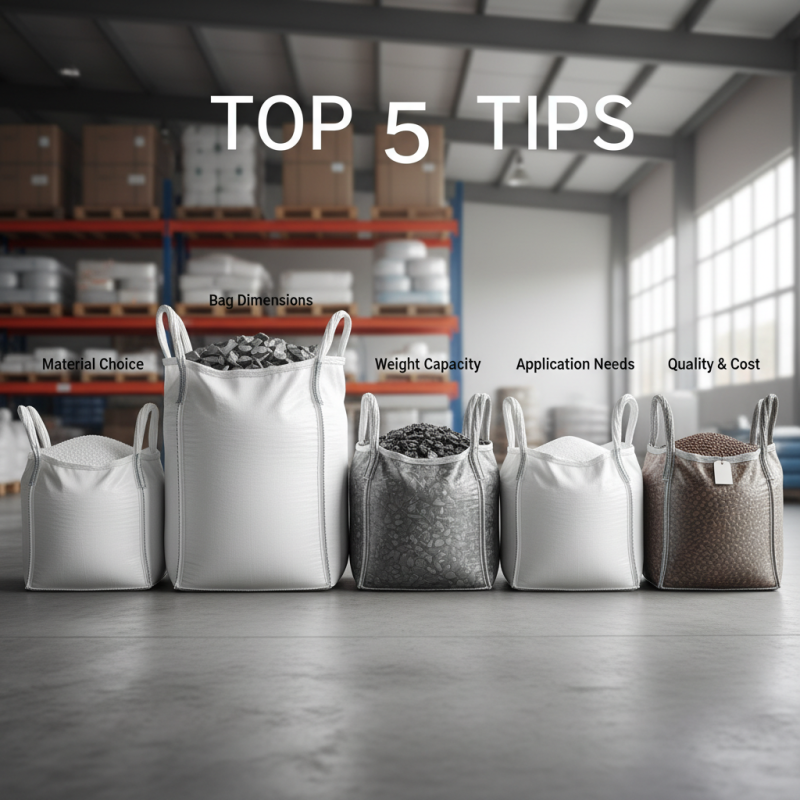
However, not all FIBC bags are created equal. The materials used, bag dimensions, and weight capacity can significantly impact your choice. Each application may demand specific characteristics, and overlooking these details can lead to inefficiencies. It's crucial to reflect on your unique needs.
Choosing the best FIBC bags requires a balance of quality and cost. Sometimes, cheaper options may compromise on durability. Investing in reliable bags can enhance protection, reducing potential losses. Always remember, a well-chosen FIBC bag can streamline your operations and save costs in the long run.
Understanding the Different Types of FIBC Bags Available
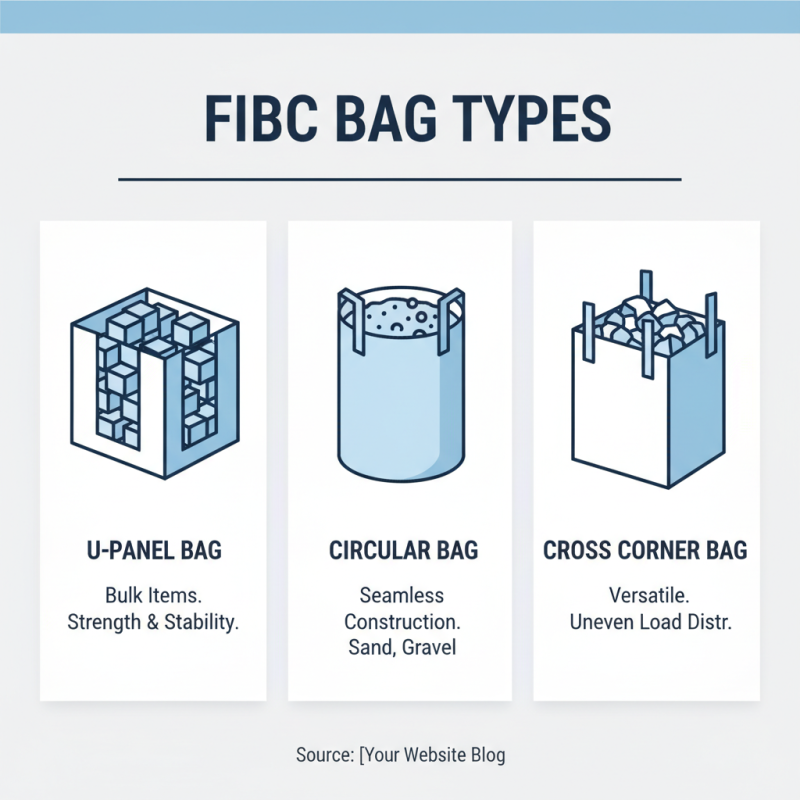
When selecting FIBC bags, understanding the different types available is crucial. There are several common types, including the U-panel, circular, and cross corner bags. The U-panel design is popular for bulk items, providing strength and stability. Circular bags, on the other hand, offer seamless construction, making them ideal for materials like sand or gravel. Cross corner bags are versatile but may not provide the same load distribution.
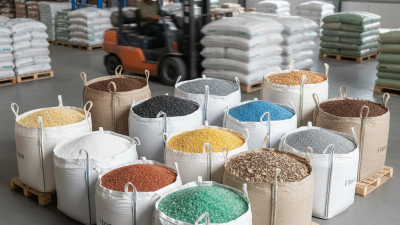
Different materials also play a significant role in choosing the right bag. Some bags are made from woven polypropylene, while others might use different coatings for added durability. Consider the specific needs of your materials. Do they require moisture resistance? Or do they need to withstand extreme temperatures? Each of these factors can influence your decision.
Don’t underestimate the importance of size and volume. Incorrect sizing can lead to issues during transport or storage. We often overlook such details. A bag that is too small may compromise the integrity of the load. Yet, a bag that is too large can waste space and resources. Reflecting on these details can help you make a more informed choice. Understanding your unique requirements will lead to better outcomes.
Evaluating Weight Capacity and Durability Requirements
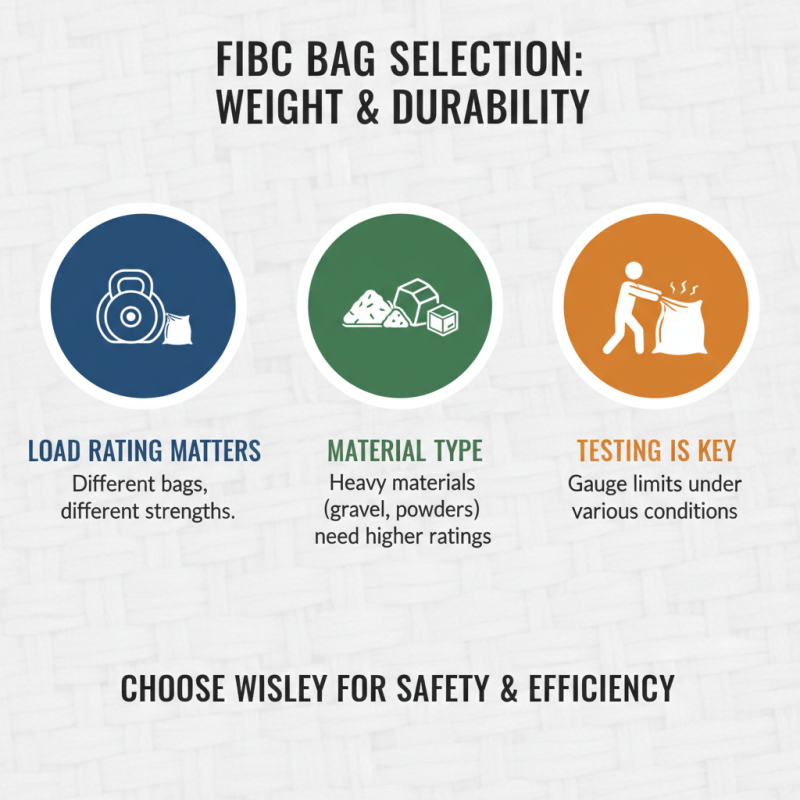
When selecting FIBC bags, evaluating their weight capacity is crucial. Each bag has a different load rating, which affects its strength and usability. Consider the type of materials you'll store. For heavy materials, like gravel or industrial powders, look for bags with higher weight ratings. Testing the bag under various conditions can help you gauge its limits.
Durability is another key factor in FIBC bag selection. The fabric’s resistance to wear and tear will impact its lifespan. Bags subjected to harsh environments need additional protective features. Think about UV protection or moisture resistance. If the bag will face rough handling, extra reinforcement can provide peace of mind.
Reflect on your past experiences with bag failures. Consider how unexpected breaks affected your operations. Balancing weight capacity with durability isn’t easy. Sometimes, opting for a higher capacity bag may result in unnecessary costs. You need to find what works best for your specific needs without overspending. Attention to detail in this selection process can save time and resources in the long run.
Considering Size and Dimensions for Your Specific Applications
When selecting FIBC bags, size and dimensions play a crucial role. Various applications require different bag specifications to ensure safety and efficiency. According to industry reports, improper size choice results in over 20% of material loss during transportation and storage. It's vital to measure your product size accurately.
Consider the volume you need to store. For example, a bag holding 1,000 kg of granular material should have dimensions that optimize stability. A too-small bag can lead to spillage, while an excessively large one may create handling issues. Many industries face the challenge of selecting the right bag size, which can complicate workflow. Conducting a thorough assessment of the items you intend to package can eliminate such risks.
Tip: Always verify the filling height and weight specifications before purchase. This will help minimize errors and improve efficiency. Understanding the specific needs of your business will allow you to choose an FIBC bag that not only fits but also enhances your operational dynamics. Measure twice, order once.
Top 5 Tips for Choosing the Best FIBC Bags for Your Needs
| Tip |
Consideration |
Recommended Size (Width x Height x Length in cm) |
Typical Use Case |
| 1. Assess Weight Capacity |
Understand the weight of materials to be stored |
90 x 90 x 110 |
Bulk powders and granules |
| 2. Evaluate Dimensions |
Select dimensions based on storage space |
78 x 78 x 100 |
Building materials |
| 3. Consider Material Quality |
Choose UV resistant and anti-static materials |
90 x 90 x 110 |
Chemical storage |
| 4. Determine Closure Type |
Select from open top, spout, or full closure |
100 x 100 x 110 |
Food products |
| 5. Check for Customization Options |
Look for printing, additional features |
85 x 85 x 110 |
Retail packaging |
Assessing Material Options and Their Suitability for Contents
When selecting FIBC bags, the choice of material is crucial. Various materials, such as polypropylene and polyester, demonstrate different strengths and weaknesses.
Polypropylene is the most common. It offers excellent resistance to moisture and is cost-effective. However, it may not hold up as well under extreme temperatures or chemical exposure.
A report by the Flexible Intermediate Bulk Container Association indicates that 80% of FIBC users prefer polypropylene for its lightweight properties. Yet, this comes with a trade-off. For projects involving hazardous chemicals, polyester bags might be a better fit.
These bags can tolerate harsher environments and offer greater durability. This choice, while pricier, could save costs in the long run due to fewer replacements.
It's essential to evaluate the intended contents when choosing materials. Not all applications require heavy-duty specs. Even though lighter materials are appealing due to lower costs, they may compromise safety and efficiency.
While some bags are designed for ease of transport, they may lack the strength needed for certain products. Users should be cautious. Prioritizing material strength over low cost can mitigate future challenges.
Reviewing Compliance and Safety Standards for FIBC Bags
When selecting FIBC bags, compliance and safety standards are crucial. FIBC stands for Flexible Intermediate Bulk Container. These bags are used extensively in various industries. Ensuring they meet rigorous safety regulations is vital to protect both workers and products.
FIBC bags must adhere to specific standards, such as those set by ASTM International and ISO. These guidelines determine factors like strength, bag construction, and safe handling. Load capacity and the right materials also play a role in ensuring safety. For instance, bags designed for hazardous materials must have additional safety features.
It’s also essential to consider whether a manufacturer provides evidence of compliance. Certificates can indicate that production meets safety requirements. However, relying solely on this is not enough. One must verify the manufacturer's reputation and their history of compliance. Many users overlook the importance of checking these details. The ramifications of neglecting safety standards can be severe. Always remember, safety should never be an afterthought.