Global buyers comparing a gaylord shipping box need more than a large footprint. They must match the box to the product, pallet, route, and handling equipment. Packaging author Walter Soroka’s widely cited definition describes packaging as “the science, art, and technology of enclosing or protecting products for distribution, storage, sale, and use.” That perspective fits bulk shipping well. A box is part of a system, not just a container.
Common choices include single-wall and double-wall corrugated boxes for lighter loads, triple-wall corrugated designs for demanding handling, and reusable plastic containers for repeated shipping cycles. Octagonal boxes can use floor space efficiently, while regular slotted containers may suit simpler packing lines. Details matter. A damp warehouse floor, fork entry, or uneven load can change performance. A strong-looking box may still fail if its base, liner, or pallet fit is wrong.
This guide compares the main gaylord shipping box types, their materials, typical uses, and buying considerations for international supply chains. Buyers should check dimensions, board strength, closure style, and stacking requirements with their supplier. Ask how specifications are tested, too. A sample loaded like the real shipment can reveal problems that a brochure cannot. No single design suits every buyer. And the cheapest option may cost more after damage, repacking, or wasted warehouse space.
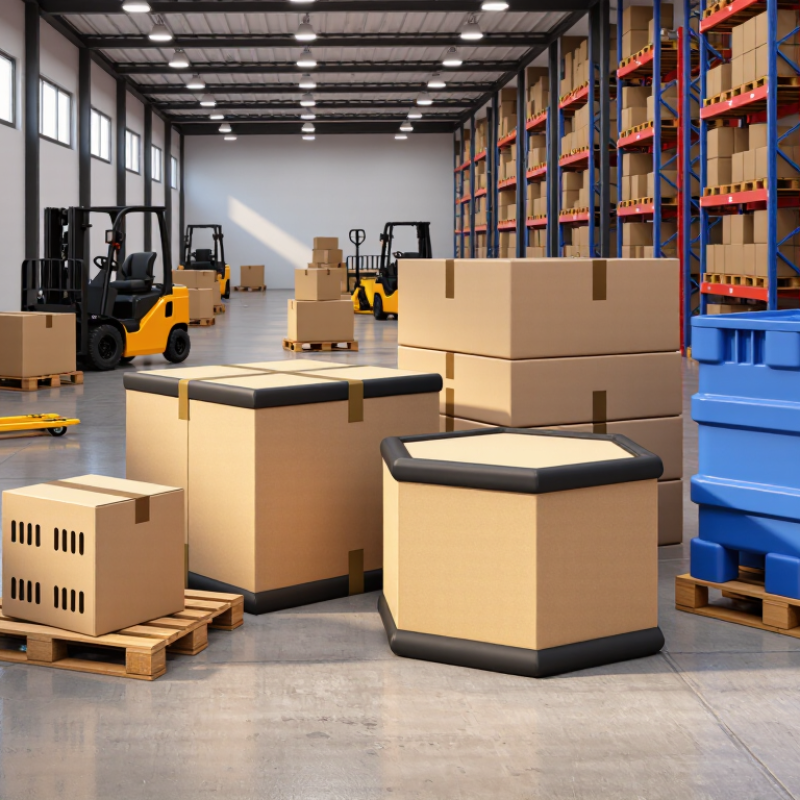
In 2026, “Gaylord box” still describes a large bulk container, not one globally fixed box specification. Buyers usually mean a corrugated container designed to sit on a pallet and hold loose or bagged goods. A 48-by-40-inch footprint is common in North American supply chains, but height, wall construction, and capacity vary. Check the drawing, not just the name.
FEFCO’s European corrugated industry statistics report annual output of about 50 billion square metres of corrugated board. That scale matters: Gaylord boxes are one use within a broad packaging sector, not a uniform product category. In practice, specify the pallet footprint, filled weight, stacking time, and storage conditions. Double- or triple-wall board may suit heavier loads, while moisture can weaken board and reduce stacking strength. A box that holds up in a dry warehouse may soften during a damp transit.
Small detail, big consequence.
Ask suppliers for tested load performance and confirm whether the rating covers stacking or only handling. The term “Gaylord” alone tells you little about strength. That is easy to overlook. FEFCO’s figures describe the wider corrugated industry; they do not set a universal Gaylord-box standard.
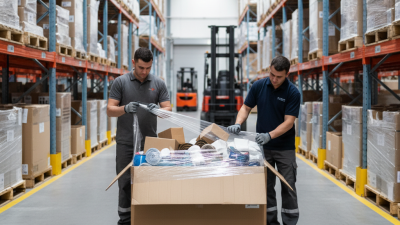
Choosing a Gaylord box starts with the cargo, not the label. Lightweight, dry parts may fit a standard corrugated container with double-wall panels. Dense castings or tightly packed components need stronger construction and a verified load rating. Triple-wall board can add resistance to crushing, but it also adds weight and cost. More layers are not automatically better.
Shape affects handling. Square boxes use pallet space efficiently and work well for regular, stackable goods. Octagonal boxes can reduce corner stress when filled with loose or irregular material. A pallet-bottom design helps when forklifts move loads often; check that the bottom suits the pallet and lifting method. For dusty or moisture-sensitive cargo, a fitted liner may help. It cannot fix a wet warehouse or a damaged box.
Measure the actual load. Leave room for safe filling and avoid bulging panels. If boxes will be stacked, ask the supplier for compression and stacking guidance under expected storage conditions. Humidity can weaken corrugated board, and long storage may change its performance. That detail is easy to miss. A small trial shipment can reveal awkward fork access, shifting contents, or lids that do not stay in place. No box type suits every handling routine, so inspect the pack-out before ordering at scale.
Gaylord boxes are commonly made from corrugated fiberboard, heavy-duty plastic, or plywood. Corrugated options are lighter and easy to recycle where local facilities accept them. Double- or triple-wall construction can better resist punctures and compression, but moisture may weaken the board. Plastic containers tolerate damp handling and repeated trips, though they cost more upfront and take up storage space when empty. Plywood offers rigidity, but adds weight. Each material has trade-offs.
Many buyers start with a 48-by-40-inch pallet footprint, then compare box height and usable interior volume. A few inches matter. They can affect forklift clearance, truck loading, and whether a liner fits without bunching. Always check interior dimensions, not only outside measurements. Wall thickness reduces usable space, and a tall box may become less stable when partly filled.
Load ratings need careful reading. Payload capacity describes product weight; stacking or compression ratings address different forces. A box rated for a heavy load on the floor may not safely support another loaded box above it. Humidity, uneven contents, pallet condition, and handling can lower real-world performance. A rating is not a guarantee. Ask for the test method and confirm whether the figure applies to your exact size and material. Then test a representative shipment; that step is easy to skip, and sometimes it reveals a weak corner or sagging base.
Choosing a Gaylord box starts with the load, not the box label. Measure the product, pallet, and available warehouse space. A box that fits a pallet poorly can shift during handling. Fit matters. Confirm the loaded dimensions against container and storage limits.
Match the wall construction to the contents and handling conditions. Single-wall corrugated boxes may suit lighter, stable loads, while heavier goods may need double- or triple-wall construction. Check the supplier’s rated capacity and stacking guidance; actual performance depends on weight distribution and moisture. Dense parts can strain the bottom panels. Bulky, lightweight goods need enough internal volume without excessive empty space. Test it first.
Consider the full route through your supply chain. Will workers lift the box by forklift, stack it in a warehouse, or move it through a conveyor system? Ask whether a liner, lid, or discharge opening is needed for the product and unloading process. Check pallet dimensions and destination handling practices, too. A specification that works at origin may not suit every receiving site. Buyers sometimes overlook this handoff, then discover their packing plan was too optimistic. Request samples and verify fit and stability with a representative load before placing a large order.
| Box Type | Typical Construction | Common Footprint or Format | Suitable Cargo | Supply Chain Advantages | Key Checks Before Ordering |
|---|---|---|---|---|---|
| Corrugated pallet box | Corrugated fiberboard body, usually supplied with a pallet or pallet-compatible base; wall strength varies by board grade and design. | Often designed around a 48 × 40 in (about 1,219 × 1,016 mm) pallet footprint in North American supply chains. Other footprints are available. | Packaged goods, components, and other dry products that need bulk handling and protection from dust or handling contact. | Lightweight, printable, and generally straightforward to fold or recycle where suitable collection systems exist. | Confirm internal dimensions, board grade, moisture exposure, loaded weight, pallet interface, and whether the box will be stacked. |
| Triple-wall corrugated bulk box | Three corrugated wall layers; strength depends on flute combination, liner grades, construction, and box geometry. | Available in pallet-sized formats, including designs for 48 × 40 in pallets and other regional pallet footprints. | Dense or heavier bulk products when a corrugated container is preferred over a rigid reusable container. | Can provide a stronger corrugated structure than many lighter-duty box designs while remaining foldable when empty. | Request the supplier’s tested load and stacking data for the actual configuration; do not assume a universal payload from the “triple-wall” description alone. |
| Octabin | Multi-sided corrugated bulk container, commonly octagonal, with a separate or integrated base and optional liner. | Footprint and height vary by product and market; some designs are made to fit a specified pallet or production line. | Free-flowing or bulk materials such as pellets, granules, powders, and some agricultural or industrial products. | Multi-sided walls can suit bulk filling and discharge processes; liners may help contain fine or moisture-sensitive materials. | Check filling and emptying method, liner compatibility, discharge opening, dust control, moisture protection, and pallet fit. |
| Bulk box with liner | Corrugated bulk box fitted with a flexible film or other liner selected for the contents and handling process. | Box dimensions are selected for the required pallet footprint, product volume, and liner arrangement. | Products that need an added barrier against dust, leakage, or contact with the corrugated walls, subject to liner suitability. | Combines a structural outer container with a replaceable inner barrier; liner options can be tailored to product requirements. | Verify food-contact or chemical compatibility where applicable, film thickness, closure method, temperature limits, and recycling or disposal requirements. |
| Reusable plastic bulk box | Rigid or collapsible plastic container, commonly designed for repeated handling and return journeys. | Available in several footprints; confirm compatibility with the buyer’s pallet, racking, conveyor, and vehicle dimensions. | Closed-loop distribution of durable components, produce, or other goods for which repeated container use is practical. | Can be cleaned and reused when the material and operating process allow; collapsible models may reduce empty-return volume. | Assess purchase cost, return logistics, cleaning, repair, loss rates, usable volume, and end-of-life recovery in each destination market. |
| Export-oriented pallet box | Corrugated or other specified bulk-box construction supplied to match export packaging, pallet, and handling requirements. | Choose the footprint to match the shipment plan. Common regional pallet formats include 1,200 × 800 mm Euro pallets and 1,200 × 1,000 mm industrial pallets. | International shipments requiring coordinated container loading, pallet handling, and destination-market receiving. | Can be configured around export handling needs, including container utilization and warehouse equipment compatibility. | Confirm destination requirements, pallet material and treatment rules where relevant, container loading plan, stack limits, and shipment documentation. |
Dimensions and performance are application-dependent. Footprints shown are common pallet formats, not universal Gaylord box standards. Before purchase, confirm usable internal dimensions, loaded gross weight, stacking conditions, moisture exposure, and tested performance with the supplier.
For global shipments, a Gaylord box must fit the product, pallet, and handling route. Check its dimensions, wall construction, stacking strength, and rated load before ordering. A tall, single-wall container may work for light parts, but dense goods often need stronger board or reinforced corners. Ask for test data when loads are heavy or shipments involve repeated handling. A sample can reveal weak seams faster than a specification sheet.
Export checks depend on the full package. Confirm whether the box will travel in a container, on a pallet, or through several warehouses. If wooden pallets or supports are included, verify destination-market treatment and marking rules with the relevant freight or customs professional. Paperboard itself may face different requirements. Keep invoices, packing details, and material descriptions consistent. Not every port handles questions the same way. That can be easy to overlook.
Storage conditions affect box performance. Keep corrugated containers off damp floors and away from leaks; moisture can soften edges and reduce stacking strength. For recycling, ask local processors whether they accept coated board, liners, tape, or food residue. Empty and flatten boxes when practical, and separate plastic liners if the facility requires it. Reusable plastic bins may suit repeated trips, but buyers should check return logistics and end-of-life collection. I would verify these details early; recycling options are not always as convenient as a supplier’s description suggests.
Illustrative geometric capacity by footprint, using a consistent 36-inch box height. These are calculations, not standardized box specifications; confirm actual inside dimensions and load ratings with your supplier.
Buyer checks: For export, verify packed dimensions, gross weight, pallet stability, moisture protection, and any destination-country packaging or wood-pallet rules. For storage, confirm stacking limits and handling requirements. For recycling, check local acceptance criteria for corrugated fiberboard and remove incompatible liners or contamination where required.
Copyright 2025 © Custom Packaging Products | All Rights Reserved