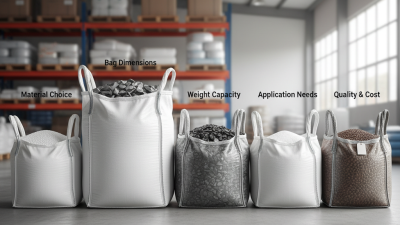
Global buyers are entering 2026 with higher expectations for personalised tonne bags. They want reliable handling, clear branding, and practical sustainability. A printed FIBC is no longer just a bulk container. It can show product details, handling instructions, batch references, and a company’s visual identity.
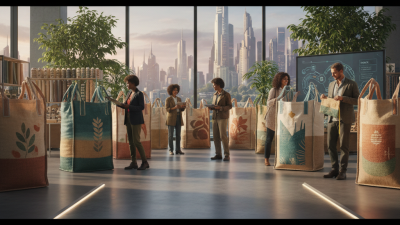
David Luttenberger, Global Packaging Director at Mintel, has described packaging as “the silent salesperson.” His observation fits personalised tonne bags closely. A branded bag stands in warehouses, ports, farms, and construction sites. Its colour, weave, label placement, and print quality communicate before a salesperson speaks. Small details matter. A poorly positioned logo may disappear when the bag is folded. Weak stitching can damage buyer confidence. Inconsistent colours may also create problems across international shipments.
This guide examines the leading personalised tonne bags for global buyers in 2026. It considers fabric strength, safe working load, liner options, printing methods, closure designs, and order flexibility. Food, chemical, agricultural, and building-material applications require different specifications. Buyers should confirm testing documents, production controls, and destination requirements before ordering. A low price may look attractive, but it can hide higher handling costs later.
No supplier gets every decision right. Even experienced purchasers sometimes focus too heavily on appearance. The most attractive bag is not always the safest or most efficient choice. Real performance depends on construction, filling conditions, transport distance, and storage exposure. Some recommendations may need adjustment after field testing. That is worth admitting. Careful sampling remains essential.
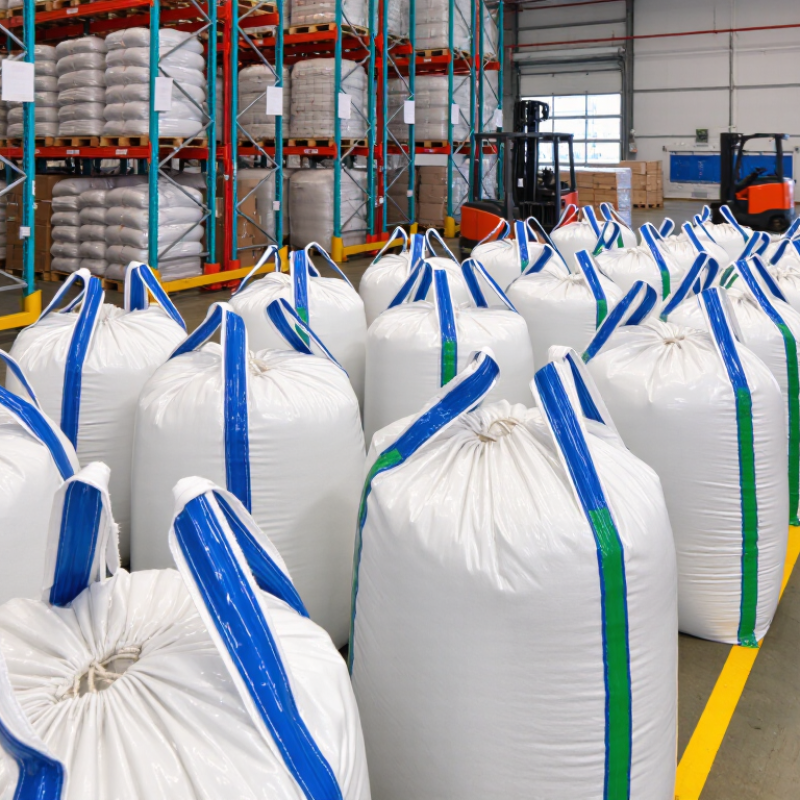
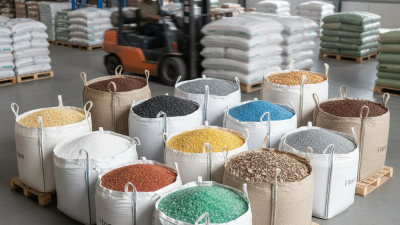
Personalised tonne bags are large, flexible containers designed to move and store dry bulk materials. They are also called flexible intermediate bulk containers, or FIBCs. Personalisation can include bag dimensions, lifting loops, discharge openings, liners, labels, and printed handling instructions. A useful design starts with the material, filling method, storage period, and required safe working load.
These bags support agriculture, construction, recycling, minerals, and food ingredient handling. A printed batch code can improve warehouse tracking. A fitted liner may help protect fine powders from moisture and contamination. Food-related applications need suitable materials, controlled production, and clear inspection records. Buyers should request fabric specifications, load testing evidence, stitching details, and traceability documents. Appearance matters, but performance matters more.
The 2026 market is moving toward lower material waste, clearer supply-chain identification, and more practical customization. Buyers increasingly compare reusable designs, recycled-content options, and compact shipping efficiency. However, recycled material is not automatically suitable for every application. Testing remains essential. Digital printing can support smaller orders, although color consistency may vary between production runs. This is an overlooked risk. Excessive customization can also increase lead times, minimum quantities, and disposal waste. A simple design may perform better. Global buyers should confirm local packaging, labeling, storage, and transport requirements before ordering. These requirements differ by destination and product type. Careful sampling is still worthwhile, even when the specification appears complete.
Definition: A tonne bag, commonly called a flexible intermediate bulk container (FIBC) or bulk bag, is a large flexible container, usually made from woven polypropylene fabric, for storing and transporting dry bulk materials. “Personalised” typically means configuring practical specifications such as dimensions, safe working load, filling and discharge options, printing, and safety features.
| Buyer consideration | Typical options or facts | Common applications | What to confirm when specifying |
|---|---|---|---|
| Capacity and safe working load (SWL) | Many FIBCs are designed for SWLs in the approximate 500–2,000 kg range. The rated SWL is specific to the bag design and must not be inferred from its appearance or dimensions. | Granules, powders, grains, minerals, and other compatible dry bulk goods. | Required load, product density, handling equipment, lifting method, and the bag’s stated SWL. |
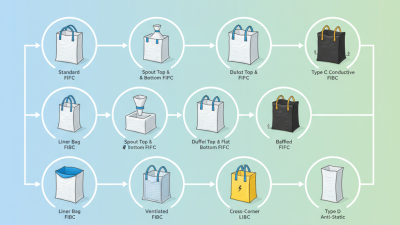
| Bag construction | Common configurations include tubular or panel-body construction, with four lifting loops; a top spout, duffle top, or open top; and a flat bottom or discharge spout. | General storage and bulk transport where filling, emptying, and handling requirements differ. | Filling and discharge equipment, access requirements, closure method, and whether a liner is needed. |
| Dimensions and volume | There is no single universal tonne-bag size. Dimensions and usable volume are selected to suit the product, filling process, and transport or storage limits. | Products with different bulk densities, flow characteristics, or space requirements. | Product density, target fill weight, pallet or warehouse footprint, vehicle limits, and filling clearance. |
| Fabric and liner | Woven polypropylene is widely used. A polyethylene liner may be added when the product needs a barrier against moisture, dust, or leakage; liner suitability depends on the product and conditions. | Dry powders, agricultural materials, and industrial raw materials, subject to compatibility and handling needs. | Moisture sensitivity, particle size, food-contact requirements where applicable, product compatibility, and storage conditions. |
| Electrostatic design | FIBCs are commonly classified as Type A, B, C, or D. Type C bags require grounding during use; Type D designs dissipate charge without grounding when used according to their specifications. Types A and B do not provide the same electrostatic protection. | Selection depends on the product, work environment, and potential presence of flammable dusts or vapours. | Complete a task-specific hazard assessment and follow the bag manufacturer’s instructions and applicable safety rules. Do not choose a type by appearance alone. |
| UV and outdoor exposure | UV-stabilised fabric may be specified for exposure to sunlight, but UV stabilisation does not make a bag permanently weatherproof. | Temporary outdoor storage or handling where sunlight exposure is expected. | Exposure duration, climate, cover, storage conditions, and the supplier’s stated limits. |
| Personalisation and identification | Specifications may include printed handling instructions, product information, batch fields, colour choices, document pockets, and custom filling or discharge features. | Warehouse identification, process control, and matching the bag to a particular material or workflow. | Required text and languages, print durability, traceability needs, and whether printed details must meet local rules. |
| Safety factor and reuse | FIBCs are designed for a stated SWL and safety factor. Common designations include 5:1 for single-trip use and 6:1 for certain multi-trip designs; these are design ratings, not permission to reuse every bag. | Single-trip shipment or, where specifically designed and authorised, controlled multi-trip operations. | Bag marking, inspection requirements, reuse instructions, service history, and the applicable standard or regulation. |
| Standards and regulatory checks | ISO 21898 addresses FIBCs for non-dangerous goods. Dangerous-goods transport may require UN-tested packaging and compliance with the rules applicable to the product and transport mode. | Domestic or international movement of non-dangerous goods; regulated dangerous-goods shipments require additional checks. | Destination and transit-country rules, product classification, required test documentation, markings, and transport-mode requirements. |
| 2026 buyer context | There is no single specification that is “top” for every buyer. The suitable bag depends on the product, handling system, destination requirements, and verified supplier documentation. | Global sourcing across agriculture, food ingredients, chemicals, construction materials, and other bulk sectors. | Compare like-for-like specifications, samples, test evidence, lead times, and total landed cost. Confirm current requirements before ordering. |