5 Best Manufacturing Bags Suppliers for Global Buyers?
Choosing reliable manufacturing bags suppliers is more complex than comparing prices on a spreadsheet. Global buyers must examine material quality, production capacity, factory controls, and communication standards. A low quotation may hide weak stitching, inconsistent dimensions, or delayed shipments. These problems become expensive when bags arrive at a distribution center with damaged cartons.
Packaging strategist David Luttenberger often describes packaging as “the silent salesperson.” That idea applies directly to manufacturing bags. A bag protects products, communicates brand values, and influences the customer’s first impression. Its fabric, handles, closure, printing, and finish all matter. Small details become visible in stores and online product photographs.
This guide reviews five suppliers serving international buyers. It considers factory experience, minimum order quantities, customization options, quality inspections, certifications, and delivery performance. It also looks at practical evidence, such as sample accuracy and production consistency. Ask difficult questions.
A supplier may show attractive samples but struggle with large orders. Another may offer excellent capacity but limited design support. Sustainable materials can also create uncertainty when documentation is incomplete. Buyers should verify recycled content, testing records, and supply-chain claims before signing agreements.
No supplier is perfect. That is worth remembering. The strongest choice depends on product type, target market, budget, and risk tolerance. This comparison aims to provide a clearer starting point for selecting manufacturing bags partners that can perform reliably across borders.
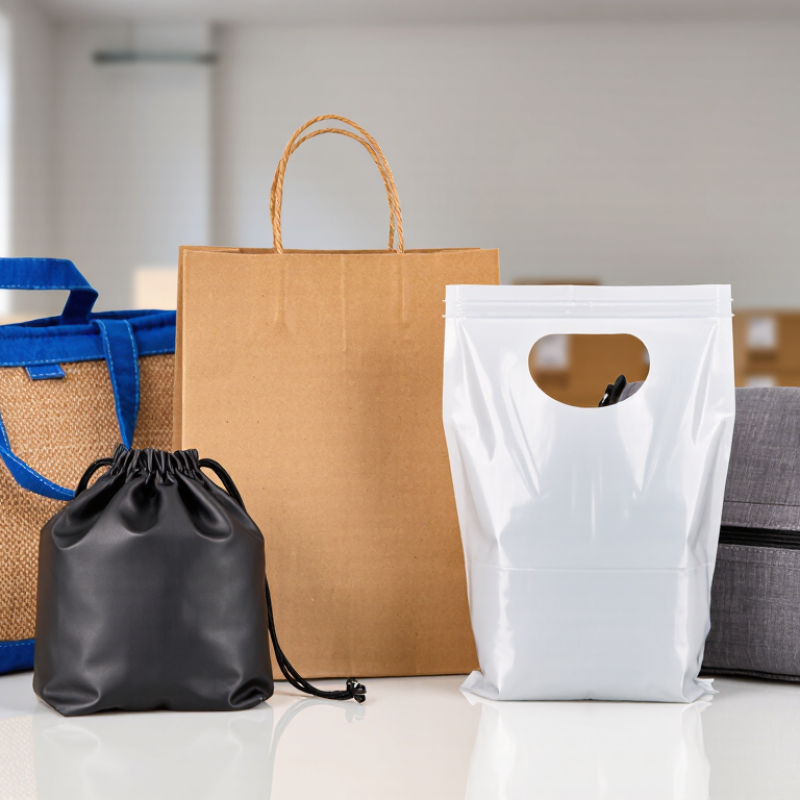
What Defines a Reliable Manufacturing Bags Supplier?
A reliable manufacturing bags supplier proves capability before discussing price. Ask for factory photographs, production records, material specifications, and recent inspection results. A serious supplier should explain fabric weight, stitching density, handle strength, colorfastness, and packaging controls in clear terms. Vague answers create expensive surprises.
The Textile Exchange Materials Market Report 2024 estimates global fiber production reached 124 million metric tonnes in 2023. This scale makes material traceability increasingly important. Request batch records and recycled-content evidence when sustainability claims affect purchasing decisions. The UNCTAD Review of Maritime Transport 2024 notes that over 80% of global merchandise trade moves by sea. Therefore, dependable suppliers should provide realistic lead times, carton dimensions, and export documentation. A perfect forecast is impossible. Honest updates matter more.
Tips:
Order samples from more than one production batch. Test seams, zippers, handles, and moisture resistance. Check whether the supplier records defects and corrective actions. Ask for an independent factory audit when order value is significant. ISO 9001-based quality procedures can indicate process discipline, but certification alone does not guarantee good bags. Visit the facility if possible. Watch the cutting tables, worker instructions, storage conditions, and final inspection area. Small details often reveal larger habits.
Key Criteria for Comparing Global Bag Manufacturers
When global buyers compare bag manufacturers, price is only one signal. A low quote may hide weak fabric, unstable stitching, or costly delays. Review production experience with your bag type, order volume, and destination markets. Ask for dated samples, not polished photos. Check seam strength, zipper movement, handle comfort, print clarity, and odor after unpacking. A practical supplier should explain materials and limitations in plain language. That honesty matters.
Professional verification needs evidence. Request factory audit records, quality-control procedures, material test reports, and relevant certifications. Confirm whether testing covers colorfastness, load capacity, chemical safety, and packaging performance. Check production capacity against your forecast, then ask how peak seasons affect lead times. Traceable batch numbers and inspection photos can support accountability. Yet paperwork is not proof by itself. An attractive certificate can be outdated, incomplete, or unrelated to the actual facility. Direct questions often reveal more than a long presentation.
Tips:
Compare three sample rounds. Measure dimensions, weight, stitching density, and packed volume. Ask for a small pilot order before scaling. Record agreed tolerances in writing. Leave room for mistakes; some suppliers promise precision before measuring it. Evaluate response speed, corrective action, payment clarity, and after-sales support. A dependable partner should report a defect early, even when the news is uncomfortable.
Five Leading Manufacturing Bag Suppliers for International Buyers
For international buyers, the five leading manufacturing bag suppliers are usually defined by capability, not advertising.
Cut-and-sew factories suit canvas totes, backpacks, and travel bags.
Technical manufacturers handle water-resistant fabrics, reinforced seams, and padded compartments.
Recycled-material suppliers support buyers seeking lower-impact packaging options.
Private-label specialists manage custom labels, colors, and small design changes.
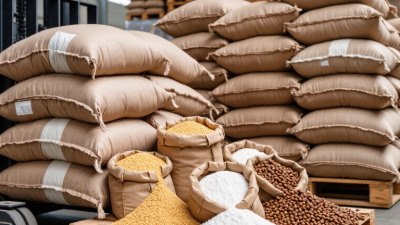
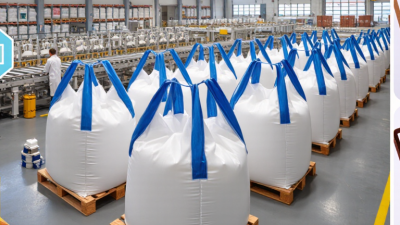
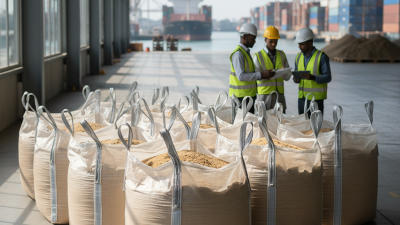
Industrial packaging factories produce durable sacks, cases, and bulk transport bags.
A reliable supplier should provide a physical sample before production.
Inspect the stitching, zipper movement, lining, and handle strength.
A 600D polyester bag may look strong, but weak thread can still cause early failure.
Ask for material specifications, production photographs, and clear inspection procedures.
Experienced factories can explain minimum order quantities, sample charges, lead times, and shipping terms without vague promises. Communication matters when measurements change across time zones.
International purchasing also requires careful verification.
Check factory registration, worker-safety practices, quality records, and payment details through independent documents. Do not depend only on a polished website.
A trial order of 100 to 300 units can reveal packing errors and uneven stitching.
Some buyers focus too heavily on price. That can be a costly mistake.
No supplier is perfect, and even a strong factory may miss a color shade or delivery target. Written approvals and pre-shipment inspections reduce that risk, although they do not remove it entirely.
How to Evaluate Quality, Customization, and Production Capacity
5 Best Manufacturing Bags Suppliers for Global Buyers?
How to Evaluate Quality, Customization, and Production Capacity
Finding the five best bag suppliers requires more than comparing prices. Quality begins with material control, stitching, and stable measurements. Ask for fabric weight, coating details, colorfastness results, and load-test records. Inspect the sample closely. Check zipper movement, seam tension, handle reinforcement, and loose threads. Small defects often become expensive claims later.
Customization should be tested, not simply promised. Request a physical sample with your logo, dimensions, lining, pockets, labels, and packaging requirements. Confirm printing durability after rubbing and washing tests. Discuss minimum order quantities, mold charges, artwork approval, and revision limits. Clear technical drawings reduce misunderstandings between buyers and production teams. Keep every detail documented.
Production capacity needs evidence. Review monthly output, equipment, quality-control checkpoints, and backup plans for material shortages. A supplier may accept a large order but lack enough trained workers. Ask for realistic lead times, inspection procedures, and recent production photos. Independent factory audits can add useful confidence. Still, audits are not perfect. A polished visit may hide weak daily controls. I would request a pilot order before scaling. That decision may cost more initially, but it reveals packing errors, communication gaps, and delivery pressure. Reliable suppliers explain problems early and provide measurable corrective actions. Their answers should remain consistent across sales, engineering, and production teams.
Steps for Selecting and Partnering With the Right Supplier
5 Best Manufacturing Bags Suppliers for Global Buyers?
Selecting a bag supplier requires more than comparing unit prices. Define fabric weight, dimensions, handle strength, printing tolerance, packing method, and acceptable defect rates in one technical sheet. Request pre-production samples, then test seams with a loaded bag on a warehouse floor. Small failures become expensive after shipment.
Check the supplier’s quality system, factory capacity, and production records. The ISO Survey 2022 reported more than 1.26 million ISO 9001 certificates worldwide, but certification alone does not prove reliable workmanship. Ask for recent audit evidence, inspection reports, corrective-action records, and equipment photographs. Verify whether the stated factory makes the bags or outsources key processes. That distinction matters.
Review environmental claims with equal care. UNEP’s 2023 “Turning off the Tap” report states that global plastic pollution could fall by 80% by 2040 through existing solutions. Ask for material composition, recycled-content evidence, and applicable testing documents. Do not accept vague words like “eco-friendly.” They prove little.
Compare quotes using total landed cost, including tooling, inspection, freight, duties, and replacement risk. The World Bank’s 2023 Logistics Performance Index covers 139 economies, showing why delivery reliability deserves separate scoring. Run a pilot order before signing a larger agreement.
I would also record every disagreement in writing. It feels slow, but memory is unreliable. Supplier selection is not perfect. A missed question today may become a delayed container tomorrow.