Aircond Coil Buying Guide What to Look For?
In the HVAC industry, selecting the right Aircond Coil is crucial for optimal performance. A recent report by HVAC Research Institute shows that improper coil selection can lead to a 30% drop in energy efficiency. Industry expert Dr. James McCarthy states, “Choosing the right Aircond Coil is essential for maximizing system efficiency.” His insights emphasize the importance of understanding coil specifications, materials, and compatibility with air conditioning units.
Aircond Coils come in various types, including copper and aluminum, each with specific advantages. Knowing these details can save costs and ensure longevity. A frequent oversight is neglecting to assess the capacity of the coil in relation to the air conditioning system. This can result in unnecessary expenses and decreased comfort levels. Taking time to evaluate your needs can prevent these pitfalls.
Furthermore, the quality of an Aircond Coil is often overlooked. Many consumers may prioritize price over durability, which can lead to frequent replacements and increased maintenance costs. Research suggests that investment in high-quality coils pays off in the long run. It is essential to consider both immediate and future costs when making your choice.
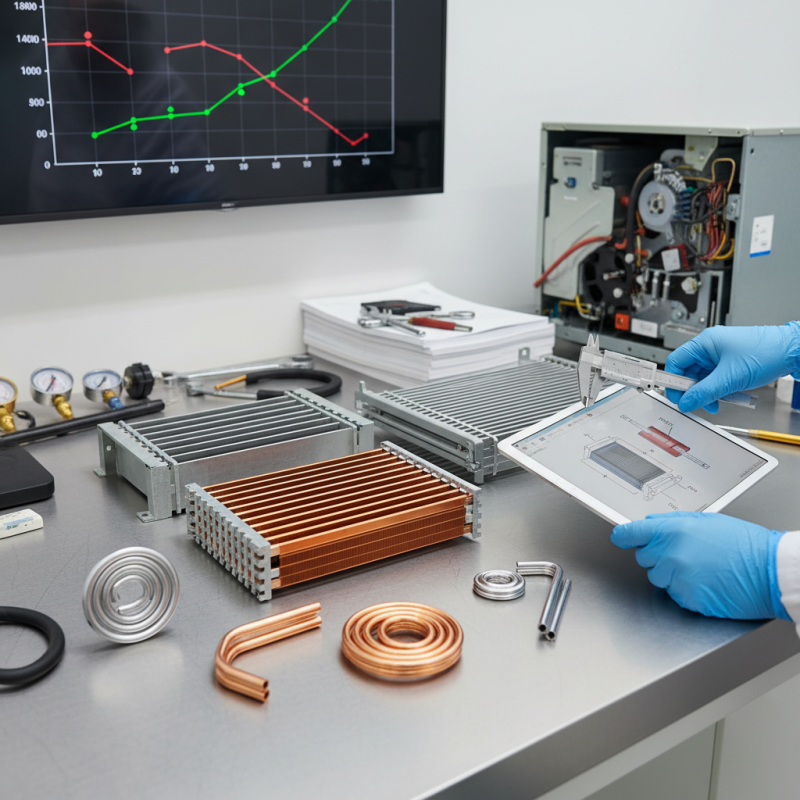
Understanding Air Conditioning Coils: Types and Their Applications
Air conditioning coils are essential components in various cooling systems. Understanding their types and functions can greatly enhance your choice. Commonly, there are two main types of coils: evaporator coils and condenser coils.
Evaporator coils absorb heat from indoors. They are typically found in the air handling unit of your AC system. These coils are made from copper or aluminum. Their efficiency can drop if dirty or damaged. Regular maintenance is necessary to keep them functioning well.
Condenser coils, on the other hand, release heat outside. They are located in the outdoor unit. These coils can also develop issues over time. Heat transfer efficiency decreases if the fins are bent or blocked. Ensure proper airflow around the condenser. Understanding these types will help you make informed choices for your needs.
Key Specifications for Selecting Air Conditioning Coils
When selecting air conditioning coils, key specifications play a crucial role. The material of the coil significantly impacts its efficiency and lifespan. Copper coils are known for superior heat transfer, while aluminum coils are resistant to corrosion. A report by the Air Conditioning, Heating, and Refrigeration Institute (AHRI) highlights that systems with copper coils can have up to 15% better efficiency compared to aluminum options.
Another important specification is the coil size. Understanding BTU capacity is essential. A system too small may struggle to cool a space, while an oversized unit can lead to short cycling and higher energy costs. According to the U.S. Department of Energy, improper sizing can reduce efficiency by 20-30%. Coil thickness also affects performance. Thicker coils offer greater durability but may be costlier. It's vital to balance durability and efficiency.
Lastly, consider the coil's surface area. Larger surfaces enhance heat exchange, leading to better cooling. Some reports suggest that increasing coil surface area by just 10% can improve heat exchange efficiency by as much as 25%. However, it's important to avoid overly complicated designs that can lead to maintenance challenges. It's a reminder that while features are critical, simplicity and reliability should not be overlooked.
Aircond Coil Buying Guide: What to Look For?
| Feature | Description | Importance |
| Material | Common materials include copper and aluminum, affecting durability and efficiency. | High |
| Fin Density | Refers to the number of fins per inch; affects heat exchange efficiency. | Medium |
| Coil Size | Dimensions must match the AC unit for optimal performance. | High |
| Capacity | Measured in BTUs; must be compatible with the air conditioning system. | High |
| Corrosion Resistance | Coils can be treated to resist rust and other environmental factors. | Medium |
| Warranty | Look for coils with good warranty terms as a quality indicator. | High |
Factors Influencing Air Conditioning Coil Efficiency Ratings
When selecting an air conditioning coil, efficiency ratings play a crucial role. Several factors influence these ratings. The coil's material is significant. Copper coils, for example, often provide better conductivity compared to aluminum. Their performance in heat exchange is critical. Materials that resist corrosion can enhance longevity.
Coil design also matters. Fins and tubes are essential for optimal airflow. The spacing and arrangement of these elements can impact how effectively heat is removed. Consider coils with enhanced fin designs, which can improve surface area. Such designs often lead to higher efficiency.
Tip: Always check the Seasonal Energy Efficiency Ratio (SEER) ratings. Higher SEER indicates better energy efficiency.
Another consideration is the coil's capacity. It should match your air conditioning system's requirements. A mismatch can lead to inefficiency and higher energy bills. Also, regular maintenance affects performance. Dirty coils reduce efficiency significantly.
Tip: Schedule routine inspections to maintain optimal function. Cleaning coils can drastically improve their lifespan and efficiency.
Common Materials Used in Air Conditioning Coils and Their Benefits
When selecting air conditioning coils, the material plays a significant role in performance and efficiency. Common materials include copper, aluminum, and galvanized steel. Each material has distinct benefits and drawbacks that may impact your choice.
Copper coils are known for their excellent thermal conductivity. They enable efficient heat transfer, which can result in lower energy costs. However, copper can be more expensive than other materials. It also may require careful handling due to its susceptibility to corrosion over time. On the other hand, aluminum coils are lightweight and resistant to corrosion, making them durable for long-term use. They also tend to be more affordable, but may not perform as well as copper in terms of conductivity.
Galvanized steel is another option, offering strength and resistance to rust. It is often used in commercial settings for its durability. However, it is heavier than other materials, which might affect installation and air flow. When considering these options, think about your specific environment and needs. Choosing the right material can lead to better performance but also potential maintenance challenges down the line.
Air Conditioning Coils Material Comparison
This chart illustrates the thermal conductivity of different materials commonly used in air conditioning coils. Copper, known for its excellent conductivity, is often favored in high-efficiency applications, while aluminum is lightweight and cost-effective. Stainless steel offers good corrosion resistance but has lower conductivity, and plastic coils are lightweight and resistant to corrosion but have minimal conductivity.
Maintenance Tips for Prolonging the Life of Air Conditioning Coils
Air conditioning coils play a crucial role in maintaining efficiency. Regular maintenance can significantly extend their lifespan. Start by routinely cleaning the coils. Dust and dirt buildup decreases efficiency. Use a soft brush or a vacuum to remove debris. Be gentle to avoid damaging the fins.
Monitoring refrigerant levels is essential. Low refrigerant can lead to coil damage. Hire a professional to check these levels regularly. They can also look for leaks that may cause inefficiencies. Inconsistent temperatures may indicate a problem. Attend to these signs promptly.
Insulating the coils can help maintain optimal temperatures. Proper insulation can prevent freezing during colder months. Inspect insulation for wear or damage. Replace it as needed to ensure proper function. Regular maintenance checks save money and improve system performance. It's crucial to remain attentive, as neglect can lead to costly repairs.