The Benefits of Fermentation with Floating Lid Techniques?
Fermentation with floating lid techniques offers a unique approach in the world of food preservation. This method enhances the fermentation process while minimizing exposure to oxygen. A floating lid acts as a barrier, effectively reducing oxidation. This is crucial in achieving better flavor profiles and nutrient retention.
Many artisans and chefs have embraced fermentation with floating lid techniques. They appreciate the control it provides over the fermentation environment. This method promotes consistent results, yet it requires careful monitoring. It is essential to understand the nuances of this technique. Not every batch will turn out perfectly, leading to a need for adjustment and learning.
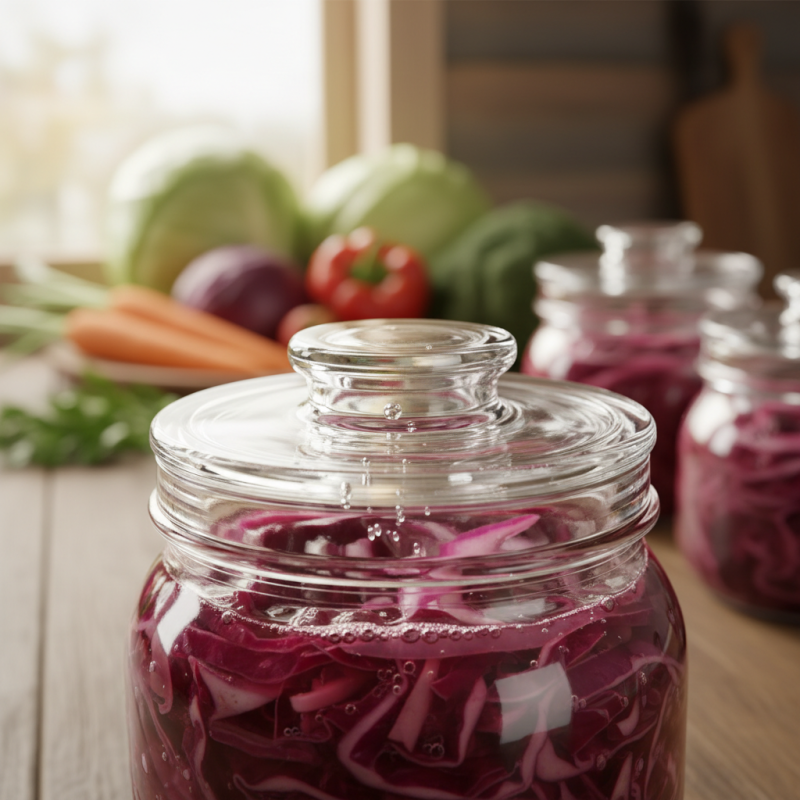
Some challenges arise, such as bubble formation under the lid. This can affect the final product's texture and taste. Fermentation is a delicate art, where experimentation is key. Analysts encourage further exploration of the benefits derived from this technique. Floating lid methods may revolutionize home and commercial fermentation alike. Through intentional practice and reflection, this technique can yield outstanding culinary delights.
Overview of Fermentation and Its Importance in Food Preservation
Fermentation is a traditional method used for food preservation. It not only enhances flavors but also improves nutritional value. Foods like yogurt and sauerkraut benefit greatly from this process. Fermentation helps in extending shelf life by inhibiting harmful bacteria.
Floating lid techniques help streamline fermentation. They create a controlled environment that encourages desired microbial activity. This method can reduce oxygen exposure, fostering anaerobic conditions essential for certain fermentation processes. As a result, flavors often deepen and complexities increase. Yet, achieving perfect fermentation remains an art, often requiring multiple attempts.
The importance of fermentation extends beyond mere preservation. It introduces beneficial probiotics, promoting gut health. However, controlling the process can be challenging. Factors like temperature and ingredient quality directly influence results. Observing these aspects can lead to improved outcomes, but trial and error are often part of the learning curve.
Introduction to Floating Lid Techniques in Fermentation
Floating lid techniques in fermentation have gained popularity due to their unique benefits. This method utilizes a movable cover, which helps reduce the contact of fermentation materials with air. According to industry studies, such techniques can lower the risk of contamination by nearly 30%. They offer a controlled environment, which is crucial for the optimal growth of beneficial microorganisms.
The design of floating lids allows for easy access to the fermentation medium. This accessibility is essential for monitoring the entire fermentation process. Reports indicate that regular monitoring can improve yield by up to 20%. However, not all setups are foolproof. Issues such as seal breakdown or improper lid placement can lead to unintended oxygen exposure. This highlights the importance of precision and attention to detail.
Moreover, while using floating lid techniques, it's vital to consider the material and design of the lid itself. Some materials may react with the fermentation medium, affecting the final product. Studies from fermentation experts emphasize this risk, urging practitioners to perform thorough evaluations. Therefore, while floating lid techniques show promise, they require careful implementation to realize their full potential.
The Benefits of Fermentation with Floating Lid Techniques
| Benefit | Description | Application |
| Improved Flavor | Fermentation with floating lid techniques enhances the complexity of flavors in fermented products. | Used in producing craft beers and specialty wines. |
| Enhanced Aroma | Allows for the retention of volatile compounds, leading to a more aromatic final product. | Applicable in the fermentation of spirits and flavor-rich beverages. |
| Reduced Oxidation | Floating lids minimize exposure to oxygen, reducing spoilage and undesirable flavors. | Critical for delicate fermented foods such as kombucha and soft cheeses. |
| Improved Texture | Helps in achieving a consistent texture in products like yogurt and kefir. | Employed in dairy fermentation processes. |
| Better Control Over Fermentation | Allows for more precise control of temperature and microbial activity. | Used in small-batch artisanal fermentation. |
Key Benefits of Using Floating Lid Techniques
Fermentation is a fascinating process that allows for the transformation of raw ingredients into flavorful, probiotic-rich foods. One innovative method gaining attention is the use of floating lid techniques. These techniques offer several key benefits that can significantly enhance fermentation results.
Using a floating lid can help create an anaerobic environment, crucial for many fermentation processes. This approach minimizes the risk of unwanted oxygen exposure, which can lead to spoilage. The floating lid also reduces the likelihood of scum formation, ensuring cleaner fermentation. Moreover, it allows for easier monitoring of the fermentation process without disturbing the mixture frequently. Observing bubbles and surface activity can give valuable insights into fermentation progress.
Another advantage is the ease of cleaning and maintenance. Many floating lid systems are designed for straightforward removal and washing. However, some users find it challenging to position the lid correctly. If not properly sealed, potential contamination can occur. This highlights the importance of user experience and attention to detail for optimal outcomes. Feedback from users frequently points out that achieving the perfect seal can take time and practice, but the rewards are well worth the effort.
Impact of Floating Lid Techniques on Fermentation Quality
Floating lid techniques in fermentation have gained attention for their impact on the quality of fermented products. These techniques, involving a lid that floats on the surface of the fermenting liquid, help to minimize oxygen exposure. By reducing oxygen contact, the risk of spoilage organisms decreases. This creates a more favorable environment for beneficial microorganisms, which can enhance flavor and shelf life.
The use of floating lids also contributes to temperature regulation during fermentation. By limiting air contact, heat generated by microbial activity can be better contained. This leads to consistent fermentation temperatures, which are crucial for the development of desired flavors and aromas. However, it’s essential to monitor the fermentation closely, as changes in temperature may still occur.
Despite these benefits, relying solely on floating lid techniques has its challenges. Some brewers report difficulties in managing sediment, which can affect the final product's clarity. Additionally, unexpected yeast behavior may arise, necessitating careful adjustments throughout the fermentation process. Continuous observation and adaptation are key to finding the right balance for optimal results.
Comparative Analysis: Floating Lid vs. Traditional Fermentation Methods
Floating lid fermentation and traditional methods offer different benefits for food and beverage production. A study published by the Journal of Food Science showed that floating lids can reduce oxygen exposure by up to 90%. This significantly prevents unwanted oxidation, which can alter flavor and reduce shelf life. Traditional open fermentation experiences increased exposure to air, leading to potential spoilage and quality loss.
The use of floating lids allows for a more controlled environment. This technique minimizes contamination risks by limiting contact with ambient microbes. Many artisanal producers have reported enhanced flavor profiles and stability in their products when using floating lids. However, these methods can sometimes lead to inconsistent results if not properly managed. Monitoring pH levels and temperature is crucial in achieving the desired fermentation outcome.
Tips: Always conduct small batch tests before scaling up. Track your fermentation conditions carefully for accurate results. Keep an eye on microbial activity, as it fluctuates during the fermentation process. Adjustments may be necessary along the way, especially when using floating lid techniques. Remember, achieving consistency is key to product reliability.