Top 10 Best Fertilizer Packaging Bags for Effective Storage and Use?
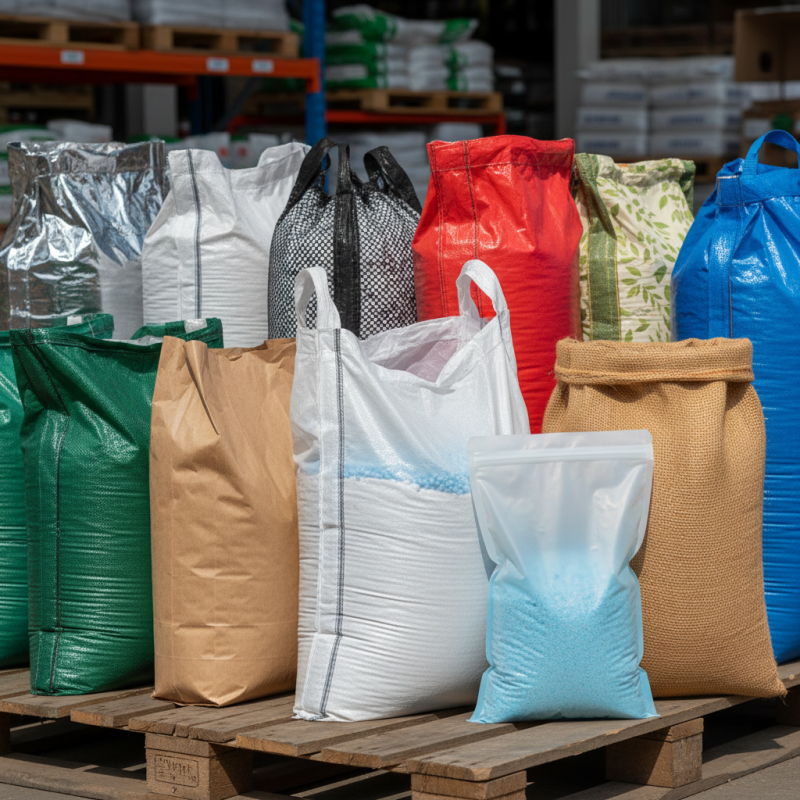
Effective storage and use of fertilizers hinge on the right packaging. Fertilizer packaging bags play a crucial role in protecting and preserving these essential materials. Various types of bags exist, each with unique features and benefits. Some bags offer better moisture resistance, while others provide superior strength.
Selecting the best fertilizer packaging bags can be daunting. Factors such as material, size, and design impact usability and effectiveness. For instance, biodegradable options are gaining popularity, reflecting a shift towards sustainability. Nevertheless, it’s essential to review options critically, as not all bags meet expectations.
It's inviting to overlook quality in favor of cost. However, poor choices can lead to wasted resources. A durable bag may cost more upfront but can save money in the long run. Considering these aspects helps ensure that the chosen fertilizer packaging bags serve their purpose efficiently.
Understanding the Importance of Quality Fertilizer Packaging Bags
Quality fertilizer packaging bags play a critical role in maintaining the effectiveness of fertilizers. Proper packaging prevents moisture and contamination. This ensures that the nutrients stay intact until use. If you store fertilizers in poor-quality bags, you risk degradation. Such degradation can lead to reduced crop yields and wasted resources.
When choosing packaging bags, consider the material used. Some bags offer better protection against weather elements. Others may not. It’s essential to select bags that can withstand your local conditions. Look for reliable seals. This helps keep the contents dry. A simple tear could lead to a significant loss.
Tips: Always check for clear labeling. This helps in identifying the type of fertilizer. Consider the bag size. Smaller bags may suit home gardens. Larger bags are better for farms. Ensure to store your bags off the ground to prevent moisture absorption. Take time to regularly inspect storage bags for any signs of wear and tear. This attention to detail can make a difference.
Top 10 Best Fertilizer Packaging Bags for Effective Storage and Use
| Bag Material |
Capacity (kg) |
Seal Type |
UV Resistance |
Price ($) |
| Plastic |
25 |
Heat Seal |
Yes |
15 |
| Kraft Paper |
50 |
Sewn |
No |
10 |
| Woven Polypropylene |
40 |
Tie Closure |
Yes |
12 |
| Biodegradable |
20 |
Ziplock |
Yes |
20 |
| Foil |
30 |
Tear Notch |
Yes |
25 |
| Multi-layer Paper |
15 |
Tape Seal |
No |
8 |
| PVC |
100 |
Roll Bag |
Yes |
30 |
| Composite |
60 |
Gusseted |
Yes |
18 |
| Heavy-duty Polyethylene |
80 |
Fold-over |
Yes |
22 |
| Fabric |
35 |
Clip |
No |
16 |
Key Features to Look for in Fertilizer Packaging Bags
When selecting fertilizer packaging bags, several key features are crucial. Firstly, the material matters. The best bags are often made of durable, moisture-resistant polymers. According to industry reports, bags made from polyethylene can enhance shelf life by over 30%. This can prevent nutrient loss due to moisture.
Another important aspect is the bag size. A typical package ranges from 5 to 50 pounds. Smaller bags are suitable for home gardeners. Larger bags cater to commercial users. It’s interesting to note that about 45% of consumers prefer smaller convenience packs for ease of use.
Additionally, consider the design of the packaging. Clear labeling is essential. Graphics should convey vital information, like nutrient content and application rates. Research indicates that 68% of consumers appreciate informative labels. However, not all manufacturers prioritize this. Sometimes, bags lack clear instructions, which can lead to improper usage. Evaluating these features ensures effective storage and application of fertilizers.
Top Materials Used for Durable and Effective Fertilizer Bags
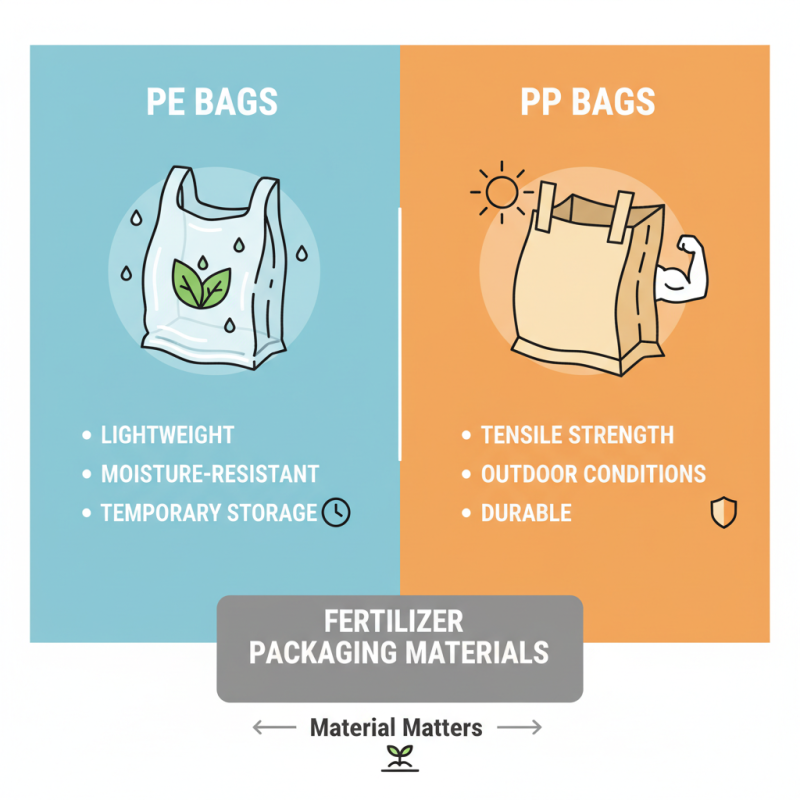
When it comes to fertilizer packaging bags, materials play a critical role. The most common materials include polyethylene (PE), polypropylene (PP), and multi-layer options. Each has its pros and cons. PE bags are lightweight and resistant to moisture, making them ideal for temporary storage. In contrast, PP bags offer better tensile strength and are suitable for outdoor conditions.
According to industry reports, over 60% of fertilizer retailers prefer multi-layer bags, as they provide enhanced durability. These bags often combine several materials for optimal performance. This can lead to better product preservation and longer shelf life. However, cost considerations can limit their usage in smaller operations.
**Tips:** Always assess the specific storage needs of your fertilizer. Consider moisture levels in your area. Adapt your choice of bag material based on environmental conditions. Monitor the condition of the bags regularly. Degradation of packaging can significantly affect the product inside. Unforeseen damages can result in waste, leading to financial losses.
Innovative Designs Enhancing the Functionality of Fertilizer Bags
Innovative designs play a crucial role in the functionality of fertilizer packaging bags. Many manufacturers are now focusing on materials that are durable and weather-resistant. These bags not only protect the contents but also enhance usability. For instance, some designs feature easy-to-open seals. This makes the application process simple and minimizes waste.
Another aspect to consider is the size and shape of these bags. Many bags are now designed with ergonomic handles. This makes transport easy for farmers and gardeners. A well-thought-out bag can reduce spills and mess. However, not all designs are perfect. Some users still struggle with tearing and resealing. This is an area where improvements can be made.
Colors and labels also contribute to the bag's functionality. Bright colors help locate bags quickly. Clear labeling ensures users know the contents right away. Nevertheless, some bags lack adequate information. This can lead to confusion during usage. It’s vital to keep reevaluating these designs to ensure they meet the needs of diverse users effectively.
Top 10 Best Fertilizer Packaging Bags for Effective Storage and Use
Comparative Review of the Top 10 Fertilizer Packaging Brands
When selecting fertilizer packaging bags, it's essential to consider effective storage and usability. Recent industry reports indicate that over 70% of farmers face challenges with moisture damage in traditional bags. Moisture control is crucial for preserving nutrient integrity. High-quality materials can prevent leakage and contamination, ensuring fertilizers remain effective.
Some bags feature airtight seals. This helps extend shelf life significantly. However, not all bags offer this protection. A comparative review of various brands shows that thickness and material composition greatly vary. Some bags are made from low-quality plastics, leading to premature wear and reduced usability. This often causes frustration during application.
Tips: Always check the packaging for tear resistance ratings. A higher rating usually means better durability. Consider the bag's design as well; easy-to-carry options can make application more efficient. Be mindful of storage conditions as well. Fertilizers stored in unsuitable environments may degrade quickly. It's worth reviewing how environmental factors can impact your stored products, so the investment in quality bags pays off.