What Are the Best PP FIBC Bags from China?

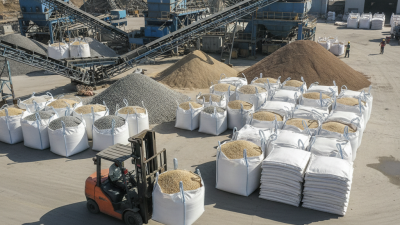
Choosing the best pp fibc bags from China requires more than comparing prices on a product page. A reliable selection begins with the intended cargo, filling method, discharge design, and storage environment. Polypropylene fabric may look similar, yet its strength, coating, and stitching can differ significantly. A bag holding mineral powder needs different protection from one carrying grain or plastic pellets.

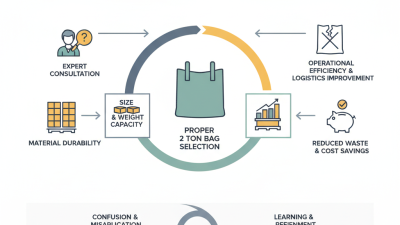
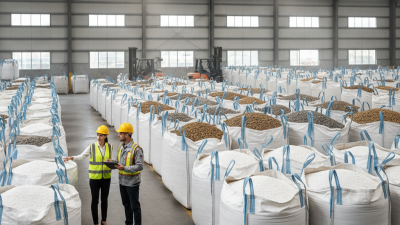
Experienced buyers usually request technical data before placing a large order. Check safe working load, safety factor, fabric weight, seam construction, liner material, and moisture resistance. Ask for batch samples, not only catalog photographs. A practical inspection may include lifting a filled sample, checking corner loops, and examining stitching around the discharge spout. These small details often reveal production quality.

Supplier credibility matters just as much. Look for clear factory information, consistent test records, traceable materials, and responsive technical communication. Independent laboratory testing can support claims about strength, cleanliness, and product suitability. However, certificates should be reviewed carefully. They are useful evidence, not automatic proof of performance.

The “best” option depends on your supply chain. A low-cost bag may become expensive after leakage, damaged goods, or delayed delivery. Production consistency is sometimes overlooked. So is communication. Confirm drawings, tolerances, printing details, pallet packing, and inspection procedures in writing. An honest evaluation should also admit uncertainty: one sample cannot represent every shipment. By comparing verified specifications, real handling conditions, and supplier reliability, buyers can choose pp fibc bags with greater confidence and fewer costly surprises.

What Are the Best PP FIBC Bags from China?

What Makes a PP FIBC Bag Suitable for Industrial Use?

What Are the Best PP FIBC Bags from China?

What Makes a PP FIBC Bag Suitable for Industrial Use?

A suitable PP FIBC bag must match the material, load, and handling method. Polypropylene fabric should feel firm, evenly woven, and free from weak gaps. The bag also needs a verified safe working load, or SWL. ISO 21898 provides testing guidance for these bulk containers, including lifting, dropping, and seam performance. Common safety factors are 5:1 or 6:1. They are not decorative numbers.

Industrial use demands more than high capacity. A bag carrying powder needs controlled discharge and reliable dust protection. Conductive or antistatic designs may reduce ignition risks in suitable environments. UV stabilization helps outdoor storage, although it cannot replace shelter. According to Grand View Research, the global FIBC market was estimated at about USD 6 billion in 2023. The report also projects continued growth through 2030, but market figures vary by product scope. Buyers should check the source, not only the headline.

Tips: Request a recent test report, fabric specification, and seam inspection record. Confirm SWL, safety factor, liner material, and lifting-loop design. Ask for a sample filled with a similar product. In practice, a bag can look excellent yet fail at its stitching. I have seen specifications focus heavily on fabric weight. That is incomplete. Storage humidity, filling speed, forklift handling, and repeated lifting also affect performance. A thoughtful supplier should explain these limits clearly, even when the answer is inconvenient.
How Are PP FIBC Bags Classified by Design and Load Capacity?

PP FIBC bags from China are best compared by design first, then by load capacity. ISO 21898 classifies FIBCs around construction, lifting, filling, discharge, and performance testing. Common designs include U-panel, four-panel, circular, conical, and baffle bags. Each shape changes stability, usable volume, and warehouse behavior.

Design matters in practice. U-panel bags suit many general powders and granules. Circular bags reduce seams and often create a cleaner internal surface. Baffle bags keep a squarer shape after filling, which improves pallet utilization.

They are not always the strongest choice. A poorly fitted liner can restrict discharge or trap material in corners. That detail is often missed.

Load capacity is usually stated as safe working load, or SWL. Industry specifications commonly offer 500, 1,000, 1,500, and 2,000 kilograms. The selected rating must match density, filling height, lifting method, and stacking conditions.

A 1,000-kilogram SWL does not mean every filling pattern is safe. Safety factors of 5:1 and 6:1 appear widely in commercial specifications, while testing follows ISO 21898 requirements. The International Trade Centre’s packaging trade data also shows strong cross-border demand for flexible bulk packaging, but demand figures do not prove quality.

A buyer still needs test certificates, seam inspection, fabric denier, UV treatment, and drop-test records. Check the actual bag, not only the datasheet. That remains an imperfect but necessary habit.

Which Chinese Manufacturing Standards Affect FIBC Bag Quality?

Chinese FIBC quality is shaped by more than fabric appearance. In China, manufacturers commonly refer to GB/T 10454 for flexible freight containers. Many export factories also align production with ISO 21898 requirements. These standards influence bag dimensions, lifting loops, seam strength, filling limits, and performance testing. Buyers should confirm the exact standard edition in the purchase contract. Standards can change.

A reliable factory records polypropylene resin batches, tape width, fabric weight, and coating thickness. These details matter. A 90 cm bag with uneven tape tension may stretch during lifting. Poorly sewn corner seams can tear under a sudden load. Quality teams should inspect loop attachment, bottom seams, printing, and discharge spouts. Drop, stacking, and tensile tests should match the bag’s safe working load. For food or sensitive applications, material traceability and cleanliness records also deserve review.

Static-control requirements may apply when powders create electrostatic risks. The selected bag type, grounding method, and test procedure must fit the handling environment. A certificate alone is not enough. Test reports should show sample numbers, dates, methods, and laboratory information. Factory audits can reveal practical issues, such as dusty sewing areas or inconsistent inspections. Even careful suppliers may miss defects in small samples. That limitation deserves discussion, not concealment. Pre-shipment inspection and periodic batch testing provide stronger evidence than attractive product photos.

What Are the Best PP FIBC Bags from China? - Which Chinese Manufacturing Standards Affect FIBC Bag Quality?

Quality Dimension Typical Commercial Data Relevant Chinese Standard or Test Reference What the Standard or Test Controls Buyer Verification Point
Safe Working Load (SWL) Common PP FIBC capacities range from approximately 500 kg to 2,000 kg, depending on construction, fabric weight and filling conditions. GB/T 10454; ISO 21898 FIBC design, handling suitability and performance requirements for flexible intermediate bulk containers used with non-dangerous goods. Confirm the stated SWL, filling method, lifting method and whether the rating applies to a single-trip or reusable bag.
Safety Factor 5:1 and 6:1 designs are widely used in the commercial FIBC market; the appropriate factor depends on reuse and handling requirements. GB/T 10454; ISO 21898 The relationship between the bag's rated working load and its tested failure performance. Request the safety-factor classification and test report for the exact construction, not only a general factory certificate.
PP Woven Fabric Fabric mass, tape width, tape strength and weave density are selected according to SWL, product density and abrasion exposure. GB/T 8946, where applicable; buyer-approved technical specification General requirements relevant to plastic woven packaging, including fabric appearance and physical performance. Check fabric weight in g/m², tape tensile strength, weave uniformity, broken tapes, holes and contamination.
Lifting Loops Four-loop construction is common; loop width, stitching pattern and loop attachment must match the bag's SWL. GB/T 10454; ISO 21898 Load-bearing performance of lifting components and their connection to the body of the FIBC. Inspect loop alignment, stitching density, reinforcement and compatibility with forklift hooks or lifting beams.
Seam Strength Strength depends on seam type, thread, stitch density, overlap, fabric construction and the selected load rating. GB/T 10454; ISO 21898 Performance of sewn or heat-sealed seams under the loads expected during filling, lifting, transport and discharge. Use seam-strength samples from production bags and check skipped stitches, loose thread, needle damage and uneven tension.
Top and Bottom Construction Common options include open top, duffle top, filling spout, flat bottom, discharge spout and fully opening bottom. GB/T 10454; ISO 21898 Functional and load-bearing requirements for filling, discharge and closure components. Confirm dimensions, spout diameter, closure method, dust control and whether the discharge outlet can be safely secured.
Stacking Performance Stacking suitability depends on bag geometry, filled product behavior, pallet support, storage time and warehouse conditions. GB/T 4857.3; GB/T 10454 Static-load or compression performance of transport packages and the ability to withstand specified stacking conditions. Specify the number of layers, storage duration, pallet arrangement and filled-bag dimensions before approving a stacking test.
Drop and Handling Resistance Drop performance is affected by SWL, filling percentage, product density, bag temperature and lifting configuration. GB/T 4857.5; GB/T 10454 Resistance of packaging to impact and accidental handling stresses during transport operations. Test the finished bag with the intended product or a representative substitute at the specified fill level.
UV Resistance UV-stabilized PP fabric is recommended for outdoor exposure; untreated PP can lose strength under prolonged sunlight. Buyer specification; applicable accelerated-weathering test method Retention of fabric and seam performance after a defined period of ultraviolet or weather exposure. State the maximum outdoor exposure period and request retained-strength results rather than relying only on the phrase “UV resistant.”
Electrostatic Control Type A, B, C and D FIBC designs are selected according to product flammability, dust risk, grounding conditions and hazardous-area requirements. IEC 61340-4-4; ISO 21898, where applicable Electrostatic classification, resistance, discharge and grounding requirements for FIBCs. Have a qualified safety professional define the required FIBC type; do not use a standard bag for combustible dust without assessment.
Food-Contact Suitability Food-grade PP FIBCs require controlled raw materials, hygienic production and documented migration compliance. GB 4806.7, current applicable version Requirements for plastic materials and articles intended to contact food, including applicable compositional and migration controls. Request raw-material declarations, migration test results and evidence that printing ink, liner and sewing materials are suitable for the intended use.
Sampling and Batch Inspection Inspection plans normally separate critical defects, major defects and minor defects, with sample size linked to batch size and acceptance criteria. GB/T 2828.1 Sampling procedures and acceptance criteria for inspection by attributes. Agree the inspection level, AQL values, defect definitions and random-sampling method before production begins.
Marking and Handling Symbols Labels commonly identify SWL, safety factor, bag type, tare weight, batch information, lifting instructions and storage precautions. GB/T 191 Standardized pictorial marks for handling, transport and storage of packaged goods. Check that markings are durable, legible and consistent with the approved drawing, test report and shipping documents.
Cleanliness and Contamination Control Required cleanliness varies by application; food, pharmaceutical and fine-powder uses require tighter controls than general industrial uses. Buyer hygiene specification; GB 4806.7 for applicable food-contact use Controls relevant to material suitability, foreign matter, odors, production hygiene and packaging cleanliness. Define acceptable odor, dust, oil, metal, fiber and microbial limits according to the cargo and end-use environment.
Dimensional Consistency Common tolerances are set by the purchase specification for body width, length, height, spouts, loops and liner fit. GB/T 10454; approved technical drawing Conformity of the finished FIBC to specified dimensions and functional requirements. Measure samples from different production times and verify that the filled bag fits the pallet, filling equipment and transport unit.

Note: Commercial ranges are typical reference values rather than universal legal requirements. The applicable standard, test method and acceptance limit should be confirmed in the approved FIBC specification for the intended cargo and handling conditions.

How Can Buyers Evaluate Materials, Safety, and Customization?

What Are the Best PP FIBC Bags from China?

Choosing a reliable PP FIBC bag requires more than checking price or appearance. PlasticsEurope’s Plastics—The Fast Facts 2024 reports 413.8 million tonnes of global plastic production in 2023. This figure highlights the need for traceable resin and responsible material selection. Ask whether the bag uses virgin or recycled polypropylene. Request resin specifications, melt-flow data, and batch records. Recycled content may reduce environmental impact, but it can affect strength and consistency. That trade-off deserves testing.

Safety depends on design and verification. ISO 21898 covers flexible intermediate bulk containers and relevant performance requirements. Check the safe working load, safety factor, seam strength, fabric weight, and lifting-loop construction. Ask for laboratory reports from an independent facility. A printed certificate can still hide weak stitching. Load testing should reflect your actual powder, filling method, stacking height, and transport conditions. In my experience, buyers often test the fabric but overlook discharge spouts and liner fit. That mistake is expensive.

Customization should solve a handling problem. Specify dimensions, liner material, coating, sift-proof seams, UV resistance, and printing limits. OECD’s Global Plastics Outlook projects plastic waste could reach 1,014 million tonnes annually by 2060. Better sizing can reduce empty space and material waste.

Tips: Compare two samples. Weigh them. Inspect four corners, seams, loops, and the bottom discharge. Keep one sample for future audits. Perfect specifications mean little without consistent production records.

What Are the Best PP FIBC Bags from China?

Rated Capacity and Design-Test Load for Common FIBC Specifications

The chart uses common Safe Working Load (SWL) levels for polypropylene FIBC bags and calculates the corresponding design-test loads at 5:1 and 6:1 safety factors. Buyers should confirm that the actual SWL, safety factor, lifting-loop construction, liner specification, UV protection, dimensions, and discharge options are stated on the bag label and supported by inspection or test documentation. The appropriate PP FIBC depends on the cargo, filling and discharge method, transport conditions, and required customization.

What Should Importers Check Before Ordering PP FIBC Bags from China?

What Are the Best PP FIBC Bags from China?
What Should Importers Check Before Ordering PP FIBC Bags from China?

China’s PP FIBC supply chain is broad, but specifications vary sharply. Grand View Research estimated the global FIBC market at about USD 5.3 billion in 2023. That growth attracts capable factories and careless quoting. Importers should request a technical data sheet before discussing price. Check fabric denier, bag dimensions, safe working load, safety factor, filling style, discharge design, and liner thickness. Ask for production samples. Photos are not enough.

The bag must match its cargo and handling method. ISO 21898 provides a useful reference for flexible intermediate bulk containers. Confirm whether the supplier tests seam strength, lifting loops, UV resistance, and electrostatic performance. For powders, inspect liner sealing and dust control. For outdoor storage, ask for documented UV treatment. A certificate without a batch number is weak evidence. It happens often.

Shipping details also deserve attention. UNCTAD reported that global maritime trade grew 2.4% in 2023, while disruption risks continued affecting schedules and costs. Confirm carton or pallet loading, moisture protection, container utilization, and inspection timing. Independent inspection can verify dimensions, weight, stitching, and random load tests. Request test records from the actual production batch, not an old sample. My practical mistake was trusting a low quotation before checking fabric weight; the bags looked correct but felt noticeably lighter. A written approval sample could have prevented that. Ask about tolerance limits, because “standard size” is not a complete specification.