What is Book Printing Inspection and Why Does It Matter?
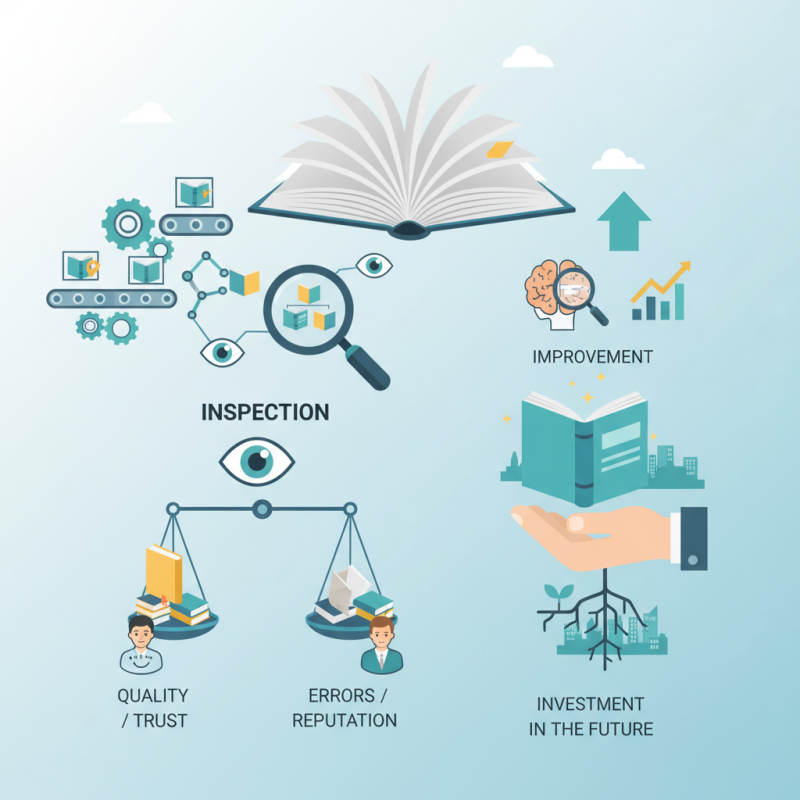
Book printing is a complex process. It involves various stages, from design to delivery. One crucial aspect is "Book Printing Inspection." This ensures that the final product meets quality standards. Industry expert Mark Thompson highlights the importance of this process: “Quality assurance is key in printing; it builds trust with readers.”
Book Printing Inspection plays a vital role in the publishing industry. Without it, errors can slip through unnoticed. Imagine opening a new book only to find misaligned pages or faded text. These issues undermine the reading experience and reflect poorly on the publisher.
However, even the best inspection processes can miss details. Human error is a part of any system. Even a small oversight can lead to significant problems later. Therefore, it's essential for publishers to continually reflect on and improve their inspection methods. A commitment to quality in Book Printing Inspection not only validates a publisher's reputation but also respects the reader's experience. Investing in this process is an investment in the future of the book itself.
What is Book Printing Inspection: A Comprehensive Overview
Book printing inspection is a vital process ensuring quality and consistency in printed materials. It involves checking various aspects of the printing process, such as color accuracy, alignment, and paper quality. An efficient inspection can prevent costly errors before books reach the market. Inspections can happen at different stages, from pre-press to post-press. Each phase plays a critical role in the final product's quality.
While perfection is the goal, imperfections can occur. For instance, slight color variations might escape notice. This highlights the importance of a thorough review. Both the printers and inspectors should be well-trained to identify these issues early. Attention to detail can make the difference between a successful print run and a disappointing one.
Tips: Always keep an eye on color proofing. Small shifts in hue can change perceptions. Use proper lighting during inspection to spot discrepancies. Involve multiple staff members in evaluations to gain diverse insights. Remember, no process is foolproof. Reflecting on mistakes can lead to improved practices.
The Importance of Quality Control in Book Printing Processes
Quality control in book printing processes is crucial. It ensures that the final product meets the expectations of publishers and readers. A well-printed book can captivate its audience, while poorly printed pages can ruin the reading experience. Minor issues, like misaligned text or faded colors, can significantly affect a book’s appeal. Inspecting prints at every stage helps catch these flaws early.
During the inspection process, here are some tips to consider. Check color consistency across pages. Ensure that text is sharp and legible. Look for any signs of ink smudging or paper defects. Most importantly, never rush through the inspection. Each detail matters, even if it seems trivial.
Quality control also involves reflecting on the printing process itself. Sometimes, even experienced printers miss the mark. Regular training can mitigate this issue. Encourage teams to communicate openly about what works and what does not. A culture of improvement leads to better outcomes. Remember, it’s about maintaining standards and satisfying readers.
Book Printing Inspection: Quality Control Metrics
Key Standards and Metrics for Effective Book Printing Inspection
In the world of publishing, book printing inspection is crucial. It ensures that every printed copy meets quality standards. Effective inspection involves several key metrics. These include color accuracy, alignment, and paper quality. A recent industry report from the Print Quality Institute highlighted that 85% of printing errors stem from inadequate checks. Such oversights can lead to significant financial losses.
Tips: Regularly calibrate your printing equipment. This helps maintain consistency in color and alignment. Engaging trained inspectors can significantly improve quality. They can identify issues that automated systems might overlook.
Another important metric is the print density. An ideal density range is essential for vibrant colors. The Printing Industry Association found that 70% of consumers notice color discrepancies. These findings stress the importance of detailed inspections. Small errors in color can lead to poor customer satisfaction. Remember, even small defects can have big consequences.
Common Defects Identified During Book Printing Inspection
Book printing inspection is crucial for ensuring the quality of printed materials. During this process, various common defects can arise, affecting both the appearance and functionality of the book. Identifying these issues early on can save time and costs.
One prevalent defect is color misalignment. This occurs when different layers of ink do not align properly. The result can be unsightly and distracting for readers. Another concern is poor binding quality. If the pages are not bound correctly, they may fall out or not lay flat. This can hinder the reading experience.
Additionally, uneven or low-quality paper can affect the texture and feel of the book. Readers often notice variations in thickness or finish, which can lead to disappointment. Lastly, it's essential to check for typographical errors. Mistakes in text can undermine the credibility of the publication. Inspections must be thorough to catch these flaws before the final product reaches consumers.
The Impact of Inspection on Customer Satisfaction and Sales Performance
Book printing inspection plays a crucial role in ensuring quality. When customers receive a book, they expect it to be flawless. Mistakes in printing can damage the overall experience. Even minor issues can lead to dissatisfaction. A book with a torn page or misaligned text can diminish its value. These small errors may seem insignificant, but they can impact customer perception.
Customer satisfaction often drives sales performance. Happy customers share their experiences. Recommendations can boost sales. On the other hand, dissatisfaction spreads quickly too. Negative reviews can deter potential buyers. This ripple effect emphasizes the importance of thorough inspection processes. If a book’s quality is not checked, it risks damaging the publisher's reputation.
Investing in inspection is essential for long-term success. However, some publishers might overlook this step. They may prioritize speed over quality. This can lead to regrets later on. A single book with defects can ruin relationships with loyal customers. Ignoring the inspection process may save time initially, but the fallout can be significant. Addressing quality issues proactively not only helps in sales but also builds trust.