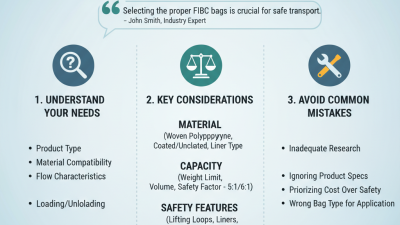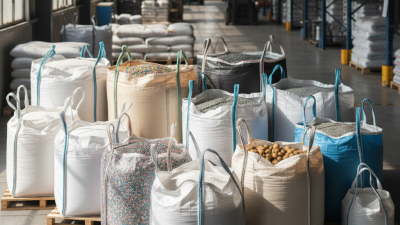
Global buyers often choose 2 ton bags for moving minerals, agricultural products, resins, and other dry bulk materials. A full bag may hold up to 2,000 kilograms, so small differences in fabric strength, lifting loops, and stitching can matter on a busy loading floor. The United Nations Conference on Trade and Development’s Review of Maritime Transport 2024 reports that over 80% of world trade by volume travels by sea. That makes dependable packaging important across long, multi-stage supply chains.
But capacity alone is not enough. Buyers should check the safe working load, dimensions, filling and discharge design, liner options, and documented test procedures. ISO 21898 provides requirements and test methods for flexible intermediate bulk containers used to transport non-dangerous goods. It offers a useful reference when comparing supplier claims. Ask manufacturers for current certificates and product-specific test records, rather than relying only on a catalogue image.
Details matter.
This guide introduces ten 2 ton bag manufacturers serving global buyers, with attention to product range, customization, quality controls, and export experience. The comparison is intended as a practical starting point, not a substitute for factory audits or sample testing. A polished website cannot show how a bag behaves after repeated handling. That is an imperfect part of supplier research, and it deserves honest attention. Confirm specifications against your cargo, equipment, and destination requirements before placing an order.
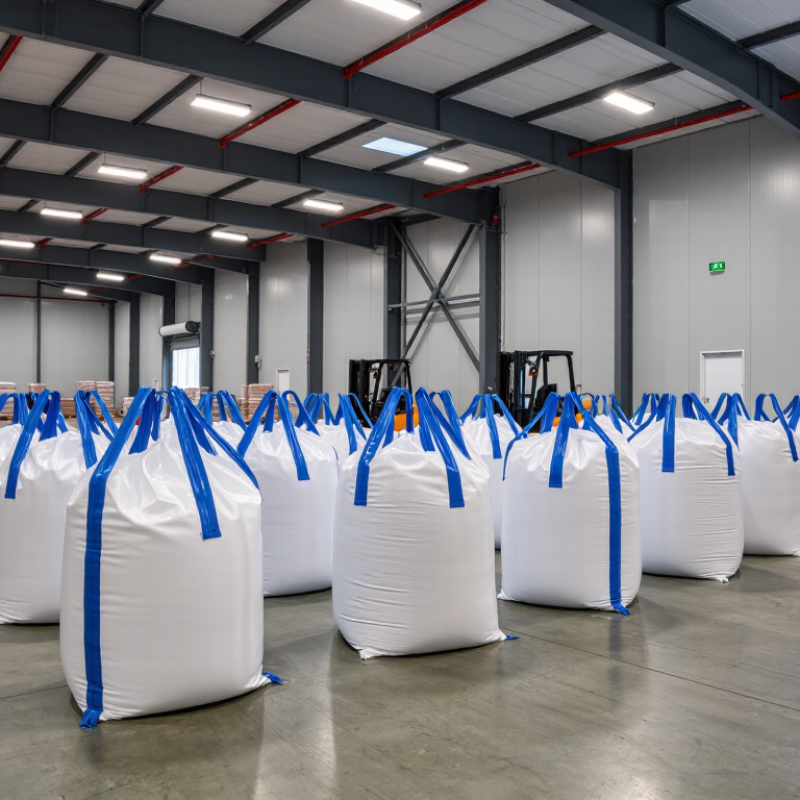
A 2 ton bag is a large flexible container rated to carry up to 2,000 kilograms under specified conditions. Many are made from woven polypropylene, with lifting loops designed for handling by forklifts or cranes. The rating is not a guess about what the bag can hold. Buyers should check the safe working load, safety factor, and handling instructions on each specification sheet. Small details matter.
These bags are used for dry bulk materials such as mineral powders, grain, plastic pellets, and construction aggregates. Their design can vary: a coated fabric may help limit moisture exposure, while an inner liner can reduce contamination or leakage of fine material. Filling and discharge spouts also affect how easily a bag fits a production line. A bag suited to coarse stone may not work well for a dusty powder.
In daily operations, even a correctly rated bag can become unstable if filled unevenly or lifted by only some of its loops. Keep the load centered, inspect seams and loops before use, and follow the supplier’s stacking and transport guidance. Conditions matter. Humidity, sharp material, repeated handling, and storage time can all affect performance. Specifications help, but they do not replace a practical check of the actual load and site.

China’s 2 Ton Bag Manufacturing Industry Is Organized
China’s 2 ton bag industry brings together material suppliers, bag converters, testing teams, and export companies. Many production chains begin with polypropylene resin, which is made into yarn and woven fabric. Fabric rolls may then be coated, cut, and sewn into large bags. Some factories handle most steps in-house; others buy fabric or outsource printing and testing.
The details matter. A buyer may ask about fabric weight, lifting-loop stitching, liner fit, and safe working load. On the factory floor, operators check seams and dimensions, while samples can be tested for strength and handling performance. The right inspection plan depends on the bag design and its intended use. It varies.
Factories often focus on particular designs, such as tubular or U-panel bags, rather than producing every configuration. Exporters may coordinate orders across several suppliers, while direct manufacturers can offer closer access to production records. Neither route guarantees consistent quality. A neat supply-chain diagram can hide gaps between fabric making and final inspection. Buyers should verify who controls each stage and request clear specifications, sample approval, and traceable batch records. Even then, a paperwork check cannot replace a careful review of the actual production process.
Rated capacity is a key specification connecting buyer requirements with bag design and production. The chart converts metric tonnes to kilograms; 2 tonnes equals 2,000 kilograms.
Capacity conversion only—not market-share or manufacturer data. Confirm each bag’s safe working load and other specifications on its product label.
China’s 2-ton bag manufacturers serve varied needs, from mineral handling to food ingredients. These ten profiles highlight practical differences buyers can compare, rather than making unsupported rankings.
One manufacturer may specialize in woven polypropylene bodies; another may focus on coated fabric for moisture resistance. A third may produce bags with discharge spouts for controlled emptying. Other profiles include suppliers experienced with inner liners, document pockets, lifting-loop configurations, or customized dimensions.
Some concentrate on agricultural materials, while others build bags for dense construction products. A further group may offer printed identification panels and export packing. One profile may emphasize sample testing and inspection records.
Details matter.
For a 2-ton load, ask for the safe working load, safety factor, fabric weight, seam design, and test documentation. Confirm that lifting loops suit the equipment used at your site. Request a sample with the intended liner and closure, not just a catalog image. A tidy specification sheet is useful, but it cannot replace inspection. Even experienced buyers sometimes overlook how a small change in filling or unloading affects bag performance. Verify production consistency before placing a large order.
Comparing ten Chinese 2-ton bag manufacturers requires more than checking rated capacity. Look at the product range: standard U-panel bags, circular designs, coated fabric, liners, and lifting-loop options. A site handling mineral powder may need a sealed liner, while grain buyers may value ventilation and clean inner surfaces. Details matter.
Quality claims are useful only when tied to repeatable checks. Ask about fabric weight, seam construction, loop reinforcement, safe working load, and test documentation. Request a sample and inspect stitching around the lifting points; uneven seams can be easy to miss in catalog photos. Independent inspection can help confirm consistency across production lots. Still, a sample cannot prove every shipment will match.
Export capacity is more than a large factory. Compare monthly output, lead times, packing methods, port access, and experience preparing export documents. Ask how the supplier handles custom dimensions and whether schedules change during peak seasons. Clear answers matter. Some buyers focus on low quotations, then find that packaging, inspection, or freight terms were excluded. Compare like-for-like offers, and ask what happens if a delivery is delayed.
When comparing manufacturers of 2-ton bulk bags, start with the load, not the catalog photo. Confirm the safe working load, safety factor, bag dimensions, fabric weight, and lifting-loop design in writing. Ask how the bag will be filled, lifted, stored, and discharged. A bag for dry mineral powder may need different fabric or a liner from one used for coarse pellets. Details matter.
Request a sample and inspect its seams, loop stitching, and printed load markings. Ask for current test records and traceability details for the fabric and finished bags. Check whether the supplier can keep dimensions and specifications consistent across repeat orders. A neat catalog is not proof. Look at production capacity, lead times, packaging, and how quickly technical questions receive clear answers. If possible, review the factory’s quality checks or arrange an independent inspection. Price still matters, but an unusually low quote may leave out testing, liners, or export packing. That is easy to miss. Compare like with like, and record any unresolved questions before approving a purchase.
Copyright 2025 © Custom Packaging Products | All Rights Reserved