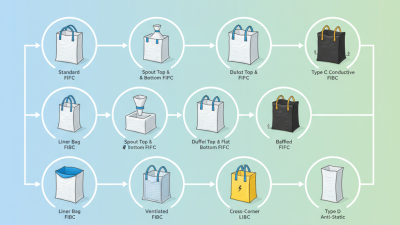
China’s FIBC industry serves diverse supply chains, from mineral powders and agricultural products to construction materials and recyclable plastics. This guide examines the China Top 10 Types of FIBC Bags for Global Buyers, focusing on practical selection rather than attractive specifications alone. The keyword types of fibc bags covers more than shape. It includes fabric construction, filling methods, discharge design, lining, safety factor, and intended cargo.
Experienced buyers usually compare bag drawings, loading photographs, test reports, and production samples before placing larger orders. A coated polypropylene bag may resist moisture better, while an uncoated body can support ventilation. A baffle bag may save warehouse space, but it requires suitable filling equipment and careful stacking. Conductive designs need qualified handling procedures. Food-contact applications demand appropriate materials, hygiene controls, and supporting documentation.
Details matter.
Every recommendation should match the product, filling process, storage environment, transport route, and applicable market requirements. Buyers should verify safe working load, fabric strength, seam quality, lifting-loop construction, and discharge performance. Factory audits and batch inspections can reveal issues that brochures hide. Still, no checklist is perfect. A bag passing a laboratory test may perform differently after rough handling, rain exposure, or repeated loading delays. That is why communication with the manufacturer remains essential. This overview combines common Chinese manufacturing practices with buyer-focused evaluation points, helping importers compare options more reliably and avoid choosing a bag based only on price.
What Are FIBC Bags and Why Do Global Buyers Use Them?
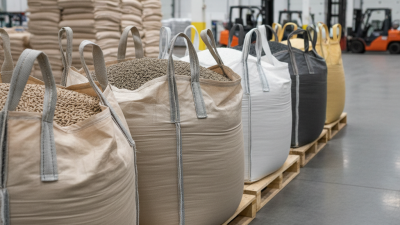
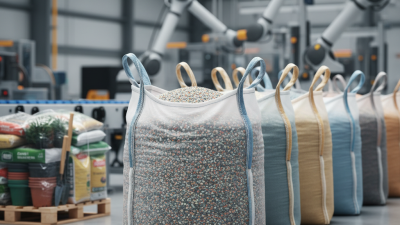
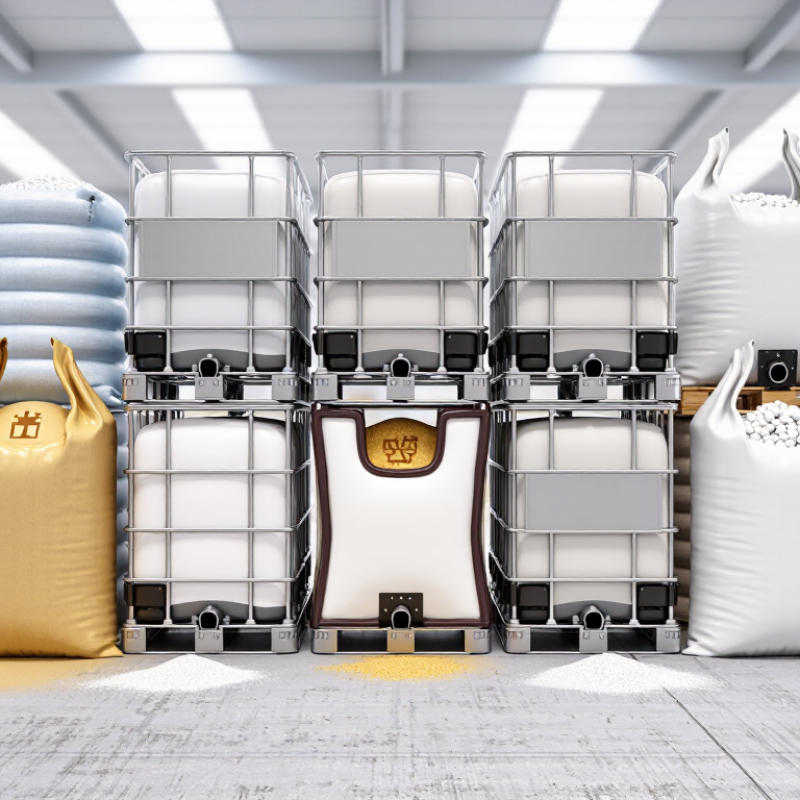
FIBC bags are flexible intermediate bulk containers made mainly from woven polypropylene fabric. They usually include lifting loops, a filling opening, and a discharge spout. Many models hold between 500 and 2,000 kilograms, depending on their design and tested capacity. The bag is large, but it folds flat after use. That saves warehouse space and lowers return-shipping volume.
Global buyers use FIBCs for powders, granules, and other dry bulk materials. Common examples include agricultural products, minerals, plastic pellets, and construction materials. Their lifting loops allow forklifts or cranes to move loaded bags efficiently. A suitable liner can help protect sensitive contents from moisture, dust, or contamination. Still, liners do not solve every storage problem. Poor sealing can create trouble.
Experienced buyers inspect fabric strength, seam quality, loop construction, and safe working load before ordering. They should also confirm filling and discharge designs with the production team. Some materials require antistatic features, while others need food-contact documentation or moisture barriers. Requirements vary by destination and application. Independent testing records improve confidence, but paperwork alone is not enough. A practical trial under real handling conditions often reveals weak points. FIBC bags are useful tools, not universal solutions.
| No. | FIBC Type | Typical Construction | Typical Capacity | Common Filling / Discharge | Typical Applications | Main Buyer Benefits | Important Selection Point |
|---|---|---|---|---|---|---|---|
| 1 | Standard U-Panel FIBC | Woven polypropylene body made from a U-shaped panel plus two side panels; usually fitted with lifting loops. | 500–2,000 kg; approximately 0.5–2.0 m³ | Top filling spout or open top; flat bottom or bottom discharge spout | Minerals, grains, seeds, chemicals, plastic pellets and construction materials | Versatile design, efficient production, good load distribution and broad availability | Confirm safe working load, bag dimensions, loop configuration and liner requirements |
| 2 | Four-Panel FIBC | Four separate woven polypropylene panels sewn together to form a square or rectangular bag. | 500–2,000 kg; commonly 0.8–2.0 m³ | Open top, filling spout or duffle top; bottom spout or flat bottom | Powders, granules, agricultural products and industrial raw materials | Stable shape, customizable dimensions and practical warehouse stacking | Check seam design, panel strength and whether the filled bag must retain a square shape |
| 3 | Circular or Tubular FIBC | Tubular woven polypropylene fabric forms the body, reducing the number of vertical seams. | 500–2,000 kg; approximately 0.5–2.0 m³ | Top spout or open top; bottom spout, iris closure or flat bottom | Fine powders, granules, minerals and products requiring reduced leakage paths | Fewer seams, smooth interior surface and improved containment for many dry products | Evaluate shape retention, fabric permeability and filling equipment compatibility |
| 4 | Baffle FIBC | Standard bag fitted with internal polypropylene baffles that limit outward bulging after filling. | 500–2,000 kg; commonly 0.8–2.0 m³ | Top spout or duffle top; bottom discharge spout or flat bottom | Dense powders, chemicals, food ingredients and products stored in tight spaces | Maintains a more rectangular shape, improves cube utilization and supports stable stacking | Baffle openings must allow product flow and should not reduce required discharge performance |
| 5 | Food-Grade FIBC | Manufactured with controlled raw materials, hygienic production practices and suitable food-contact liners when required. | 500–2,000 kg; approximately 0.5–2.0 m³ | Sanitary top spout, duffle top or open top; hygienic bottom spout | Flour, sugar, starch, rice, grains, powdered ingredients and other dry food products | Helps protect product hygiene and supports bulk handling in food supply chains | Request applicable food-contact documentation, traceability, cleanliness controls and liner specifications |
| 6 | UN-Certified FIBC | FIBC tested and certified for applicable solid dangerous goods under relevant UN packaging requirements. | Commonly 500–1,500 kg, depending on certification and product | Closure and discharge design specified by the certified package configuration | Certain hazardous powders, granules and other regulated solid materials | Supports regulated transport when correctly selected, filled, closed, marked and handled | Verify the exact UN design type, packing group, test certificate and local transport rules |
| 7 | Type A FIBC | Made from ordinary insulating woven polypropylene fabric without electrostatic control features. | 500–2,000 kg | Standard top filling and bottom discharge options | Non-flammable, non-dust-hazard products handled away from flammable atmospheres | Simple, economical and suitable for many general-purpose bulk products | Do not use where combustible dust or flammable gas or vapor may be present |
| 8 | Type B FIBC | Uses fabric with controlled insulating breakdown voltage; it does not provide full grounding capability. | 500–2,000 kg | Top filling spout or open top; bottom discharge options available | Some combustible powders where the surrounding atmosphere is not flammable | Can reduce certain propagating brush-discharge risks compared with ordinary Type A bags | It is not a substitute for grounding; confirm powder ignition sensitivity and site conditions |
| 9 | Type C Conductive FIBC | Conductive yarns form an interconnected grid that must be electrically grounded during filling and discharge. | 500–2,000 kg | Groundable filling and discharge system with conductive earthing points | Combustible powders and products handled in potentially flammable atmospheres | Provides a controlled path for electrostatic charge when correctly grounded | Grounding continuity must be checked before and during operation; never use with damaged conductive threads |
| 10 | Type D Dissipative FIBC | Uses dissipative or antistatic fabric designed to release electrostatic charge without a dedicated ground connection. | 500–2,000 kg | Standard filling and discharge fittings selected for the product and process | Certain combustible powders handled where grounding a bag is impractical | Can improve operational flexibility by dissipating charge without a conventional earth connection | Keep the fabric clean and dry; verify certification, environmental limits and process compatibility |