How to Choose the Best PP Woven FIBC Bags for Your Needs?
Choosing the right packaging is crucial for various industries. PP woven FIBC bags are popular choices due to their durability and versatility. These bags are designed to hold bulk materials, making them essential for storage and transportation in agriculture, construction, and more.
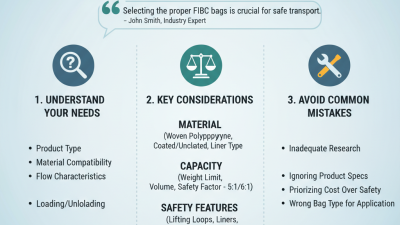
It is important to understand your specific needs before selecting PP woven FIBC bags. Consider factors like the type of material you’ll use and the weight requirements. Different designs and sizes are available, each offering unique advantages. However, the process isn’t always straightforward. You may find some options too small or too large for your application.
Quality matters in the selection process. Not all PP woven FIBC bags are created equal. Some may lack the strength for heavy loads. Researching suppliers and reading reviews can help identify reliable products. Ultimately, the goal is to find bags that suit your needs without sacrificing quality or safety.
Understanding the Different Types of PP Woven FIBC Bags
When selecting PP woven FIBC bags, it’s essential to understand the various types available in the market. These bags come in different designs, such as U-panel, circular, and baffled. Each type serves specific applications depending on the material being stored. For instance, Baffled FIBC bags offer better stability, making them ideal for powdered substances. Meanwhile, U-panel bags are often used for bulkier items. According to industry reports, over 40% of FIBC bags are used in the food and agricultural sectors, showcasing their versatility.
Choosing the right type also involves assessing the load capacity and safety standards. Most FIBC bags can hold between 500 kg to 2000 kg, but overloading them can lead to structural failure. A study by the Flexible Intermediate Bulk Container Association revealed that improper bag usage results in over 30% of material losses during transport. Always examine the FIBC bags for compliance with safety regulations to ensure reliability.
Tips: Look for FIBCs with UV resistance if they will be exposed to sunlight. This can prolong their lifespan. Also, consider the inner lining options for added protection against moisture, especially for food-grade materials. A lack of attention to these details can create unforeseen challenges down the line.
Key Factors to Consider When Choosing FIBC Bags
Choosing the right PP woven FIBC bags involves considering various critical factors. Begin with the weight capacity these bags need to hold. Assess the materials and product types you intend to store. Overlooking this can lead to ruptured bags or damaged products. The strength of the fabric is paramount. Thicker materials offer improved durability, while lighter options may not withstand heavy loads.
Consider the size requirements as well. Not all FIBC bags are created equal in terms of dimensions. Think about your storage space and transportation needs. A bag that is too large can lead to inefficient use of space. Too small, and you risk frequent reloading. Ventilation might also be a concern for specific materials. It’s essential to choose a bag that allows air circulation, especially for bulk products that are susceptible to moisture.
Lastly, evaluate the manufacturing method. Well-constructed seams are crucial for maintaining the structural integrity of the bags. Don't overlook the certifications. Ensure they comply with industry standards. This provides an extra layer of security in terms of safety and reliability. Each of these factors plays a vital role in ensuring that the FIBC bags meet your specific needs effectively.
Assessing Your Packaging Requirements and Material Compatibility
When selecting the right PP woven FIBC bags, assessing packaging requirements and material compatibility is critical. Different industries have particular needs based on their product types. According to a report by MarketsandMarkets, the FIBC market is projected to grow at a CAGR of 5.2% from 2021 to 2026, indicating a rising demand for customized solutions. This growth emphasizes the importance of understanding your unique requirements prior to making a purchase.
Evaluate the weight of the materials to be packaged. For instance, bulk powders may require bags that hold substantial weight without risk of tearing. Additionally, the environment plays a crucial role. If your products are exposed to moisture, consider FIBCs with moisture barriers. A study from the Flexible Intermediate Bulk Container Association highlights that 30% of product loss occurs due to inadequate packaging choices. Therefore, making informed decisions based on material compatibility can enhance product safety.
Another factor is the compatibility of FIBC bags with your handling equipment. Some designs work better with automated systems, while others may not. The American Society of Packaging and Materials Handling has also noted that improper material selection can lead to increased operational costs. Ensuring that FIBC bags match your equipment will streamline processes and minimize waste. Consider all these elements to maximize efficiency and effectiveness in your operations.
How to Choose the Best PP Woven FIBC Bags for Your Needs?
| Dimension |
Material Compatibility |
Load Capacity (kg) |
Use Case |
| 90cm x 90cm x 120cm |
Granules, Chemicals |
1000 |
Industrial Materials |
| 85cm x 85cm x 100cm |
Agricultural Products |
800 |
Food Grains |
| 100cm x 100cm x 150cm |
Powders |
1200 |
Cement, Fertilizers |
| 75cm x 75cm x 130cm |
Recyclable Materials |
600 |
Recycling Industry |
Evaluating Cost-Effectiveness and Supplier Reliability
When selecting PP woven FIBC bags, evaluating supplier reliability is crucial. A dependable supplier can assure you of consistent quality and timely delivery. Look for manufacturers with a solid reputation and positive customer reviews. They often have experience in the field and can provide insights into various bag types.
Cost-effectiveness plays a significant role when choosing FIBC bags. Compare prices from multiple suppliers but be cautious. The cheapest option may not always be the best. Low prices might indicate inferior materials or manufacturing practices. Investing in quality bags can save you money in the long run.
Ensure that the supplier adheres to industry standards and certifications. Ask potential suppliers about their quality control processes. Reliable suppliers should have a clear and transparent quality assurance strategy. It’s worth requesting samples to assess the quality before making bulk purchases. Reflect on the feedback from previous customers to gauge supplier reliability.
Choosing the right supplier is essential for satisfying your specific needs.
Ensuring Compliance with Industry Standards and Regulations
When selecting PP woven FIBC bags, compliance with industry standards is crucial. These bags must meet safety and quality regulations to ensure their effectiveness. Different industries have specific guidelines, such as food safety standards for agricultural use. Familiarize yourself with these requirements to avoid costly mistakes.
Additionally, testing for durability and load capacity is vital. Not all bags are created equal, and performance testing can reveal weaknesses. Examine whether the bags undergo inspections for proper stitching and material strength. This scrutiny helps in selecting the right product for your needs.
Lastly, consider the certifications the manufacturer possesses. This reflects their commitment to quality. However, not every certification guarantees reliability. Look for reputable organizations that conduct thorough assessments. Understanding these elements not only enhances safety but also provides peace of mind. You must trust the product you choose.
Best PP Woven FIBC Bags Selection Criteria
This chart illustrates key selection criteria for FIBC bags, focusing on load capacity, UV resistance, tear strength, moisture barrier effectiveness, and recyclability percentage. Understanding these metrics helps ensure compliance with industry standards and regulations when choosing the best PP woven FIBC bags for your specific needs.