How to Choose the Best 2 Ton Bags for Your Supply Needs?
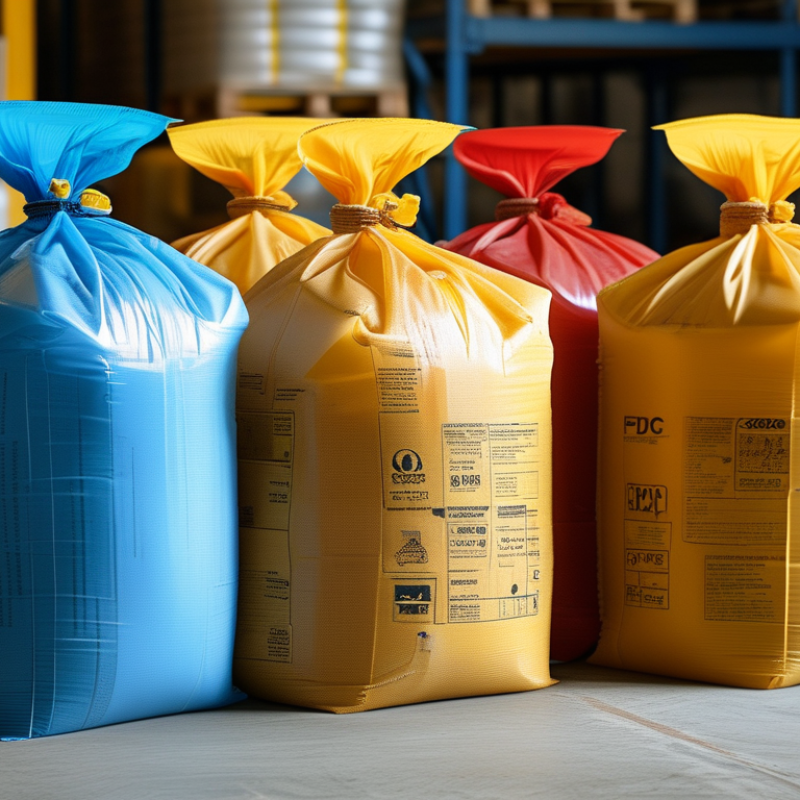
Choosing the right 2 ton bags for your supply needs is crucial for efficiency and safety. The flexible intermediate bulk containers (FIBCs) have seen a surge in popularity, with a market growth projected at 5.3% annually from 2023 to 2030, according to Packaging Strategies. These statistics highlight why selecting the appropriate 2 ton bags is vital for businesses dealing with bulk materials.
When considering 2 ton bags, examine material types and weight tolerance. Polypropylene is the most common material, known for its durability and low cost. However, not all bags comply with industry safety standards. Some manufacturers may provide non-compliant products, which can lead to safety risks. Therefore, seeking suppliers with certifications such as ISO or FIBCA standards is essential.
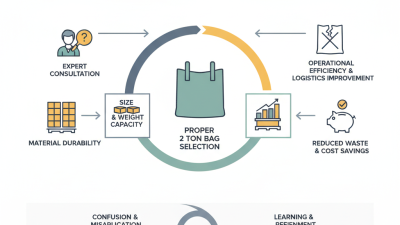
Reflect on the specific requirements of your operation. Different materials and designs may be better suited to certain products. Misjudging your needs could result in poor performance and financial loss. Choosing the right 2 ton bags requires careful consideration and expert knowledge to ensure reliability in your supply chain.
Understanding the Basics of 2 Ton Bags and Their Applications
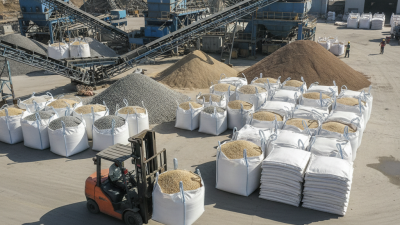
2 ton bags, also known as bulk bags or FIBCs, are essential tools in various industries. From construction to agriculture, they are used to transport and store materials efficiently. A report by Freedonia Group indicates that the demand for bulk bags is expected to grow at a rate of 5.5% annually. This growth reflects their increasing importance in logistics and supply chain management.
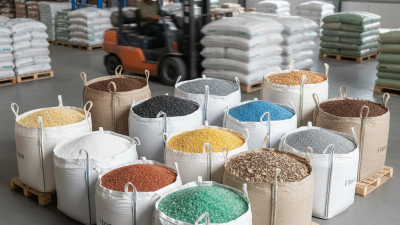
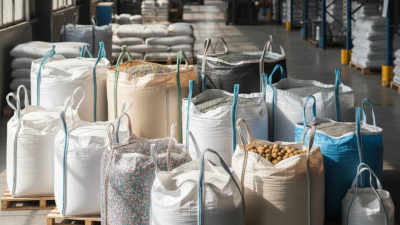
Understanding the applications of 2 ton bags is crucial for selecting the right type for your needs. They are commonly used for sand, gravel, and agricultural products. However, not all bags are created equal. Factors like fabric type, stitching, and lifting capacity are vital to consider. For instance, bags made from woven polypropylene are durable and resistant to moisture. Yet, some may not be suitable for specific chemical uses.
Moreover, the weight capacity of 2 ton bags isn’t the only measure of their effectiveness. Load distribution and environmental considerations are equally important. When selecting a bag, reflect on your specific materials and handling methods. Each choice can impact safety and efficiency. In conclusion, being informed about the various specifications can lead to better decisions in your supply operations.
Key Factors to Consider When Choosing 2 Ton Bags
Choosing the right two-ton bags for supply needs requires careful consideration of several factors. Material quality is paramount. Robust materials enhance durability. According to industry reports, polypropylene is favored for its strength and resistance to moisture. This can prolong the bag's lifespan and maintain the integrity of its contents.
Weight distribution is another crucial aspect. A well-designed bag ensures even load distribution, reducing the risk of tearing. Reports indicate that poorly balanced bags can lead to operational inefficiencies and increased costs. Understanding the specific requirements of your supply chain can help in selecting the most suitable bags for your needs.
Tips: Always check the bag's seam strength. Weak seams often lead to failures during transport. Additionally, consider the bag's handling options. Some designs offer lifting loops, making them easier to manage. Evaluating these features against your operational needs can prevent future missteps, ensuring your supply process runs smoothly.
Material Types: Selecting the Right Fabric for Your 2 Ton Bags
When selecting the right fabric for 2 ton bags, consider durability, weight capacity, and environmental conditions. Common materials include woven polypropylene, polyester, and natural fibers. Woven polypropylene is the most popular choice due to its strength and moisture resistance. According to industry reports, it can withstand loads of up to 2,000 kg, making it ideal for heavy materials.
Polyester is another good option, offering higher UV resistance. Its lifespan is about 5-7 years with proper care. Natural fibers, like jute, are biodegradable. However, they may not provide the same durability for heavy loads. Take into account your specific supply needs before making a choice.
Tip: Always check the manufacturer's specifications for load limits and suitability for your materials. A comprehensive understanding of the fabric's properties ensures effective use.
Additionally, consider the bag's surface finish. Smooth finishes are easier to clean, while rough textures provide better grip but can be harder to maintain. Assessing these features can lead to wiser decisions. Remember, experimenting with different materials may help identify the best fit for your applications. Embrace the challenges of finding optimal solutions.
How to Choose the Best 2 Ton Bags for Your Supply Needs? - Material Types: Selecting the Right Fabric for Your 2 Ton Bags
| Material Type |
Durability |
Weight Capacity |
Common Uses |
Cost |
| Polypropylene (PP) |
High |
2000 kg |
Agricultural products, Chemicals |
Low |
| Cotton |
Medium |
1500 kg |
Food products, Retail |
Medium |
| Jute |
Medium |
1700 kg |
Organic products, Packaging |
Medium |
| Nylon |
Very High |
2500 kg |
Construction materials, Heavy-duty applications |
High |
| Polyester |
High |
2300 kg |
Textiles, Heavy packaging |
Medium-High |
Evaluating Load Capacity and Safety Features of 2 Ton Bags
When selecting 2-ton bags, assessing load capacity and safety features is crucial. Industry reports reveal that cargo bags must withstand extreme conditions. Many bags may fail to meet necessary standards. Evaluating both the material and design is essential. Reports from the International Flexible Intermediate Bulk Container Association emphasize strength tests for safe loading.
Safety features often include reinforced corners and durable seams. A strong seam can enhance the bag's longevity. However, not all bags are created equal. Some may lack adequate stitching, leading to potential failures. Check for certifications like ISO or ASTM, which indicate reliability.
Tips for selection: Look for bags that clearly state their load capacity. Inspect for signs of wear when purchasing used bags. Do not compromise on safety features. A small oversight can lead to significant risks. Prioritize bags with visible inspection certifications to ensure quality. This could save costs in the long run. Always engage with suppliers who understand load dynamics and offer expert insights. This could provide a more informed choice.
Cost vs. Quality: Making an Informed Purchase Decision on 2 Ton Bags
When choosing 2 ton bags, cost and quality often collide. Balancing these factors can be challenging. High-quality bags may have a higher upfront cost, but they typically offer better durability. This means fewer replacements and lower long-term costs. A cheaper bag might save money initially but could lead to issues like tears or breakage during use.
Consider the materials used in the bags. Heavy-duty fabrics like polypropylene are often more reliable. However, they can be costly. Review product specifications to determine if the material matches your needs. Look for bags designed for specific applications, as they provide optimized performance. Reading customer reviews can reveal hidden issues, such as unexpected wear and tear.
It's essential to assess your specific requirements. Do you need bags that resist UV light or moisture? Are they intended for heavy machinery or light materials? These decisions influence both cost and quality. Always weigh the potential risks of choosing a cheaper option. Evaluate the value of a reliable bag that can withstand your operational demands versus the temptation of short-term savings.