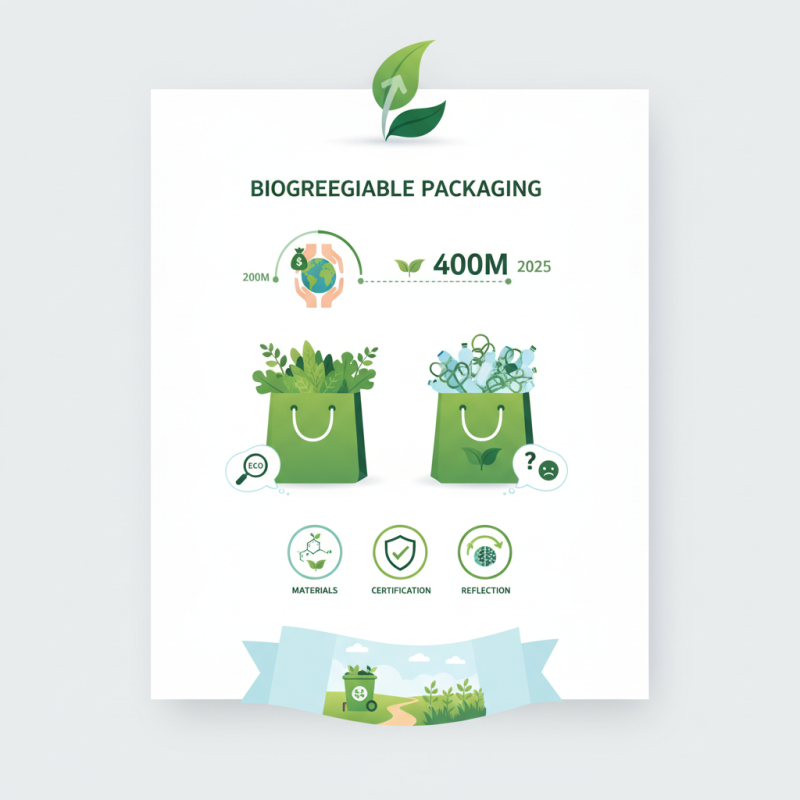
The shift toward sustainable packaging is critical in today’s world. Biodegradable packaging bags play a key role in this movement. According to a recent report by Smithers Pira, the global market for biodegradable packaging is projected to reach $400 million by 2025. This growth underscores the increasing demand for environmentally friendly alternatives.
Dr. Jane Goodwin, an expert in sustainable materials, emphasizes, “The choice of packaging is not just about aesthetics; it profoundly impacts our planet.” Her insight highlights the importance of selecting the right biodegradable packaging bags. Consumers are increasingly aware of the environmental costs associated with traditional plastics. Choosing the wrong materials can negate sustainability efforts.
However, not all biodegradable bags are created equal. Many products claim to be biodegradable but may not break down effectively in natural environments. It’s crucial to understand the differences in materials and certifications. Seeking products with reputable certifications can help make informed decisions. As the industry evolves, continuous reflection on packaging choices will be essential for genuine sustainability.
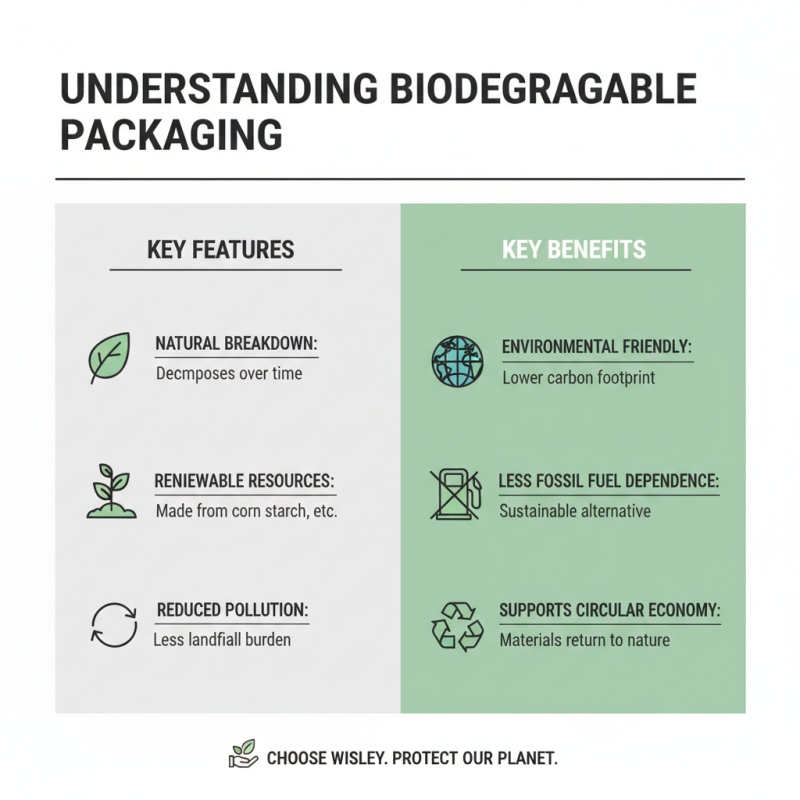
Biodegradable packaging has gained attention for its potential to reduce environmental impact. Understanding its key features will help you choose wisely. These bags break down naturally over time, unlike traditional plastics. Many are made from renewable resources, such as corn starch. This can lessen our dependence on fossil fuels, which is a significant benefit.
One crucial aspect to consider is the decomposition time. While some biodegradable bags break down in months, others may take years. This variation can be confusing. The bag's thickness and material also affect this timeline. Always check specifications. Not all biodegradable bags are compostable, and that’s a gray area.
The benefits are clear but not without challenges. We must be careful about how we dispose of these bags. Incorrect disposal can hinder their effectiveness. Choosing the right type may not be straightforward. Testing local facilities for composting is necessary. Not every area supports compostable materials. Awareness is key for effective use.
Biodegradable packaging materials are gaining popularity. They offer an eco-friendly alternative to traditional plastic. Many types exist, each with unique properties. Starch-based bags are made from corn or potato. They decompose in about 90 days. These bags are often used for food service items.
Another option is PLA (polylactic acid) bags. They are made from fermented plant sugars. PLA bags are sturdy and suitable for cold items. However, they need specific composting conditions to break down effectively. Films made from cellulose are another biodegradable choice. They are derived from wood pulp and offer a natural barrier. Yet, they can be less durable in humid environments.
Consider your needs when selecting a type. Will the bags hold liquids or solids? How quickly must they decompose? Some materials may not perform well in varied conditions. It's crucial to choose wisely. Inadequate knowledge can lead to improper disposal. That might defeat the purpose of using biodegradable bags.
| Type of Material | Description | Biodegradability Time | Common Uses |
|---|---|---|---|
| PLA (Polylactic Acid) | Derived from corn starch, it is compostable under industrial conditions. | 3-6 months | Food packaging, disposable cutlery, and bags. |
| PHA (Polyhydroxyalkanoates) | Produced naturally by bacteria; fully biodegradable in soil and marine environments. | 3-5 months | Packaging, agriculture, and medical applications. |
| Starch-based Plastics | Made from starches, leading to biodegradable characteristics. | 6-12 months | Shopping bags, food containers, and packaging films. |
| Paper-based Bags | Biodegradable and recyclable, made from renewable resources. | 1-5 months | Retail and grocery bags, and product packaging. |
| Mushroom Packaging | Made from mycelium and agricultural waste; compostable. | 30-90 days | Protective packaging and shipping materials. |
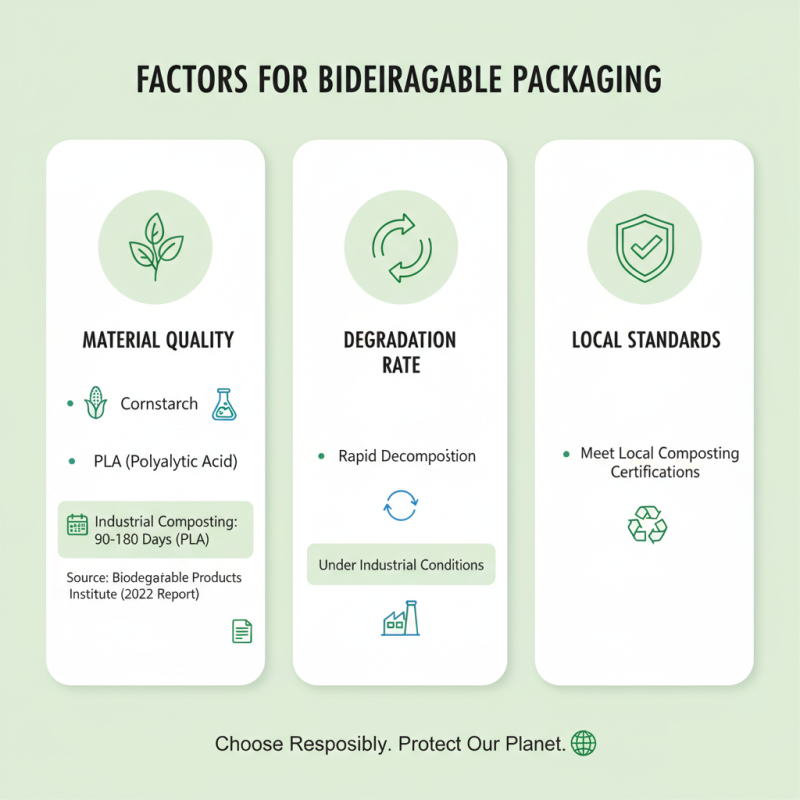
When selecting biodegradable packaging bags, several factors should guide your choice. Material quality is crucial. Often, these bags utilize materials like cornstarch orPLA (polylactic acid). According to a 2022 report by the Biodegradable Products Institute, PLA can decompose in industrial composting conditions within 90 to 180 days. This rapid degradation rate is impressive, yet it is essential to ensure that these bags meet local composting standards.
The thickness of the bag is another important aspect. A thicker bag may provide better durability but can hinder the decomposition process. Some 2021 studies have indicated that bags thinner than 15 microns biodegrade more efficiently. Balancing thickness and functionality is a nuanced task, as thicker bags often serve better for protecting contents during transport but can take longer to break down.
Lastly, certifications matter. Look for reputable certifications like ASTM D6400 or EN 13432. These standards indicate compliance with compostability guidelines. However, not all biodegradable bags have the same environmental impact. A 2023 analysis found that some products labeled as biodegradable still leave microplastics after decomposition. It's vital to scrutinize product claims closely to make informed and eco-conscious purchasing decisions.
When assessing the eco-friendliness of biodegradable packaging bags, consider their material composition. Many bags are made from plant-based plastics, but not all decompose effectively in landfills. Look for certifications that indicate compostability. These certifications ensure that a product meets specific environmental standards. Finding bags that break down within a year can greatly reduce waste.
Check the production process; it matters. Some biodegradable materials still rely on fossil fuels. The carbon footprint can vary significantly between different types of biodegradable bags. Another aspect is the end-of-life disposal. Not all biodegradable bags will decompose properly in typical trash settings; conditions matter.
Look for transparency from manufacturers. Ideally, they should provide clear information about their products. Do they back their claims with scientific data? It’s worth questioning these details. Reflect on how much of the packaging you generate. Every choice counts, even if it feels small. Consider reuse options or alternative materials too. Every effort towards sustainability makes a difference, no matter how minor it seems.
When choosing between biodegradable and traditional packaging, it's crucial to consider costs. Biodegradable bags often have a higher upfront cost compared to plastic alternatives. Yet, many overlook the long-term environmental benefits they offer. The initial investment may appear steep, but it contributes to sustainability and reduces waste.
Some manufacturers may charge more for biodegradable materials. This can discourage businesses from making the switch. On the flip side, traditional packaging often leads to environmental penalties and cleanup costs. The financial implications of waste management can add up quickly.
Despite the higher cost, biodegradable options often resonate well with eco-conscious consumers. They tend to prefer brands that care for the planet. This can translate into customer loyalty and potentially higher sales. Balancing price with values can be challenging, but it’s worth reflecting on the overall impact.
Copyright 2025 © Custom Packaging Products | All Rights Reserved