How to Choose the Best PP FIBC Bags for Your Packaging Needs?
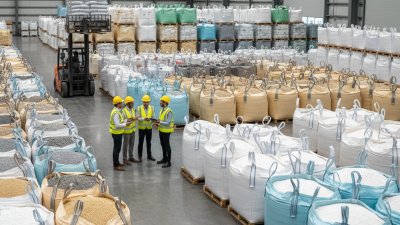
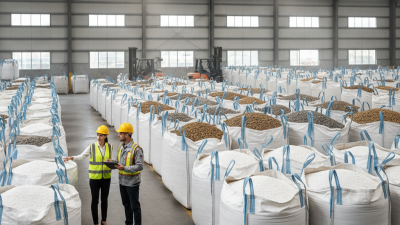
Choosing the right packaging solution is crucial for businesses. PP FIBC bags, or polyproplyene flexible intermediate bulk containers, are popular for many industrial applications. They offer strength, versatility, and cost-effectiveness. However, not all PP FIBC bags are created equal.
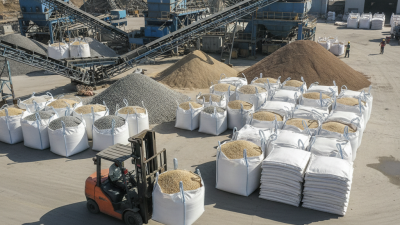
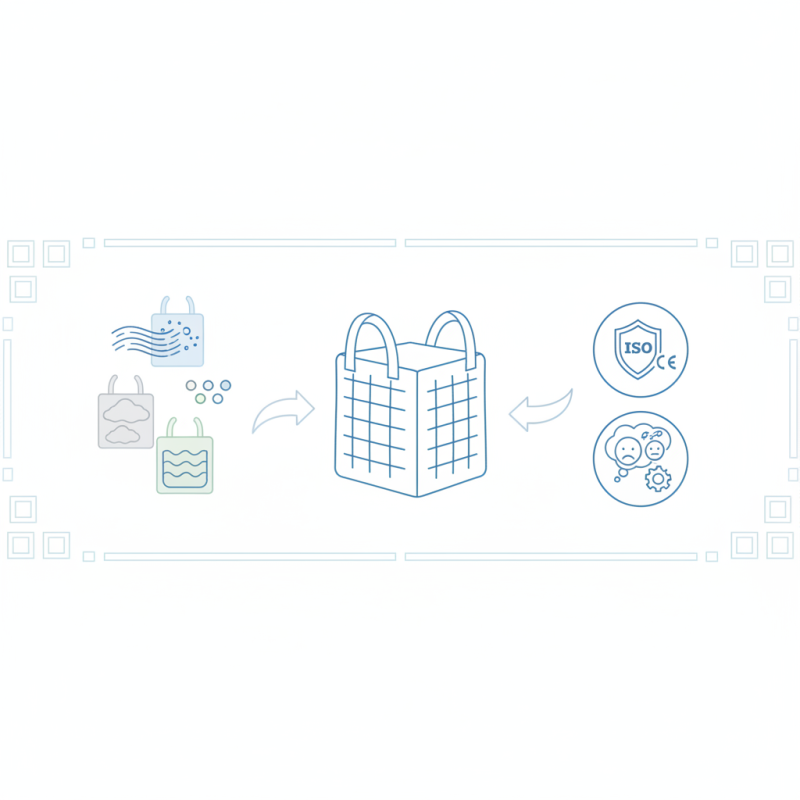
When selecting PP FIBC bags, consider your specific needs. Different bag types are available, each tailored for various materials. For instance, some bags are designed for powders, while others suit granules or liquids. It is vital to match the bag type with the product to ensure optimal performance.
Remember, not all suppliers guarantee high quality. It's essential to thoroughly assess the supplier’s credentials and product standards. Look for certifications like ISO or CE to ensure reliability. Reflect on your previous experiences too; quality issues can lead to costly delays. Finding the right PP FIBC bags requires thoughtful consideration and attention to detail.
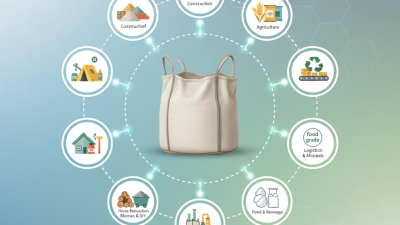
Understanding Different Types of PP FIBC Bags and Their Applications
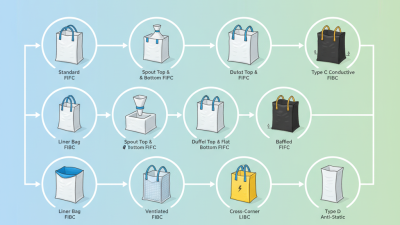
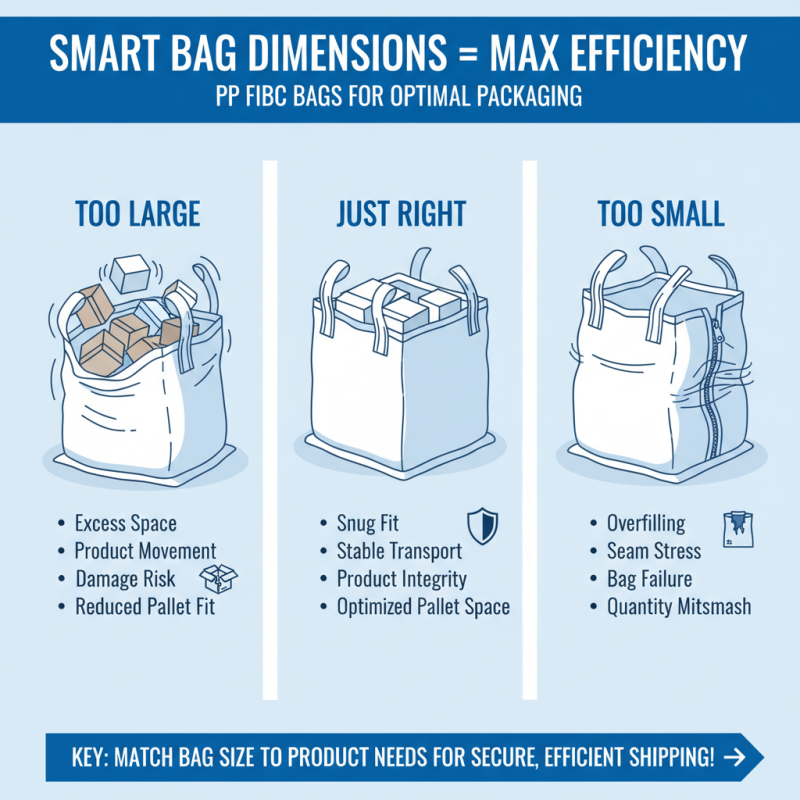
When selecting PP FIBC bags, it's essential to understand the different types available. Bulk bags vary widely in style and function. Some are designed for fine powders, while others are better suited for heavier materials. The shape and size can influence how well the bag performs in your operation.
Consider whether you need a bag with a top filling spout or one with a bottom discharge option. These features can affect how easily you pack and unpack the bags. Furthermore, materials used in manufacturing can greatly impact the bag’s durability and intended use. Explore options that can withstand moisture or harsh environments.
**Tip:** Always assess your material's weight and characteristics when choosing a bag. This will help prevent mishaps during transport.
Selecting the right type requires careful thought. Not every bag will meet your needs perfectly. Some options may not provide the ideal strength or may have inadequate closures. Remember to think beyond costs; a cheaper bag might lead to more losses in the long run.
**Tip:** Test different bag types before making a bulk purchase. It can save you time and resources later.
Types of PP FIBC Bags and Their Applications
Key Factors to Consider When Choosing PP FIBC Bags for Your Needs
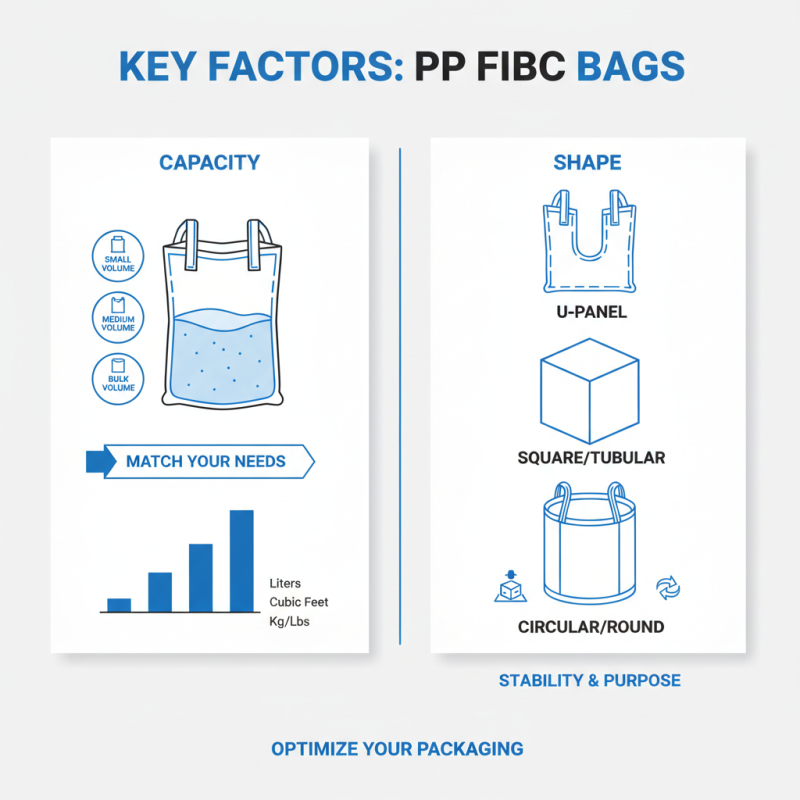
When selecting the best PP FIBC bags for your packaging needs, consider several key factors. The first is the bag's capacity. Different applications may require varying volumes. Knowing your requirements helps in choosing a suitable size. Additionally, the bag's shape plays a crucial role. U-shaped, square, or circular options each serve unique purposes and stability levels.
Tip: Assess the bulk density of your product before making a choice. This will ensure that the FIBC bag can handle the weight without any issues.
Another factor to keep in mind is fabric strength. The denier and weight of the fabric impact durability. Higher denier fabrics are often stronger. However, they might come at a higher cost. It’s wise to balance cost and quality based on your needs.
Tip: Consider how often you reuse the bags. If they will be used multiple times, invest in higher quality. This can save costs in the long run.
Keep in mind the certification requirements as well. Some industries mandate specific certifications for safety and compliance. Ensure you understand your sector's standards before purchasing. The right choice can avoid costly mistakes down the line.
Analyzing Load Capacities and Strength Ratings of PP FIBC Bags
When selecting PP FIBC bags, understanding their load capacities and strength ratings is crucial. These bags can hold anywhere from 500 kg to 3000 kg. The capacity often depends on the fabric type and the design used. Industries often overlook the variation in strength ratings, which can lead to improper bag selection.
The strength rating reflects the maximum weight a bag can safely carry. For instance, a 1 ton-rated bag should ideally withstand around 1500 kg under normal conditions. Reports suggest that improper loading practices can reduce effective load capacity by 20%. Manufacturers usually test these bags based on ISO standards. However, results can vary due to production methods.
Consider the context of use. If bags are used in rough conditions, extra reinforcement may be necessary. A typical bag might perform well under optimal handling but could fail under stress. Clients frequently underestimate the impact of additional factors, such as environmental conditions. This oversight emphasizes the importance of regular bag evaluations and tests to ensure operational safety.
How to Choose the Best PP FIBC Bags for Your Packaging Needs?
| Bag Type |
Load Capacity (kg) |
Strength Rating (kN) |
Material Thickness (mm) |
Applications |
| Standard FIBC |
1000 |
6.0 |
5.0 |
Cement, Grains |
| Intermediate Bulk Container (IBC) |
1500 |
8.0 |
6.0 |
Chemicals, Pharmaceuticals |
| Conductive FIBC |
800 |
5.5 |
4.0 |
Electronics, Flammable Goods |
| Ventilated FIBC |
1200 |
7.0 |
5.5 |
Agricultural Produce, Pet Foods |
| Custom FIBC |
1000-2000 |
Varies |
5.0-7.0 |
Specialized Products |
Evaluating Sustainability and Recycling Options for PP FIBC Bags
When selecting PP FIBC bags, sustainability is a crucial consideration. With the global plastic waste crisis, the packaging industry has faced increasing scrutiny. According to a recent report by the Plastics Industry Association, over 300 million tons of plastic are produced annually, with a significant portion ending up in landfills. Thus, choosing recyclable options becomes essential.
PP FIBC bags are largely made from polypropylene, which can be recycled. However, the recycling rate for these bags is still low, estimated at just 10% according to the Environmental Protection Agency (EPA). This prompts us to evaluate our practices. For example, businesses should work with recyclers to ensure used bags are collected and processed correctly.
Tips: Consider using single-use bags only when necessary. Easily accessible drop-off locations can greatly enhance recycling rates. Look for suppliers committed to circular economy practices. Monitoring the lifecycle of your packaging helps identify ways to improve sustainability efforts. Remember, every small action contributes to a larger impact on the environment.