Why Choose Brown Paper for Sustainable Packaging Solutions?
Sustainable packaging has become increasingly important in today’s eco-conscious market. Many companies are seeking alternatives to plastic, and Brown Paper is emerging as a top choice. This natural material offers numerous benefits for packaging needs, appealing to both consumers and businesses alike.
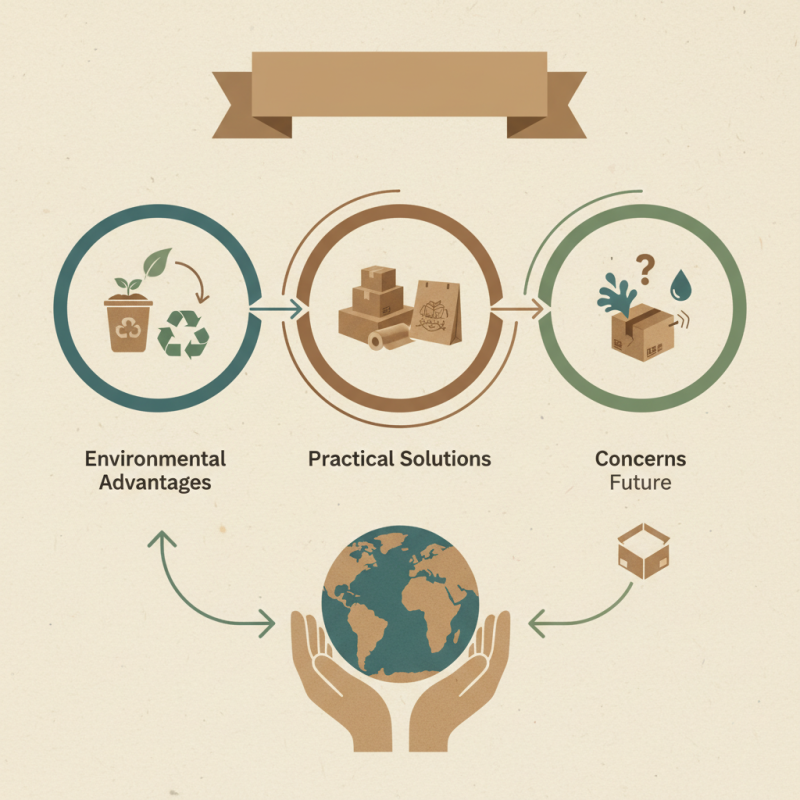
Brown Paper stands out due to its environmental advantages. It is biodegradable and recyclable, helping to reduce waste in landfills. Companies using Brown Paper for packaging can significantly enhance their sustainability efforts. This choice not only aligns with global green initiatives but also reflects a brand's commitment to environmental responsibility.
Moreover, Brown Paper presents practical solutions. It is strong, versatile, and lightweight. Businesses can use it for a variety of products and aesthetic designs. With custom prints and textures, Brown Paper can elevate the unboxing experience. However, some may wonder about durability and moisture resistance. These are valid concerns that need addressing as Brown Paper develops. Overall, Brown Paper represents a meaningful step toward a more sustainable future in packaging.
Benefits of Using Brown Paper in Sustainable Packaging
Brown paper has gained popularity in sustainable packaging solutions. It offers numerous benefits that make it an appealing choice for eco-conscious businesses. One key advantage is its biodegradability. Unlike plastic, brown paper decomposes naturally, reducing landfill waste. This decomposition process takes only a few months compared to centuries for plastic.
Additionally, brown paper is typically made from recycled materials. Many manufacturers produce it from post-consumer waste, contributing to a circular economy. This method reduces the demand for new raw materials. While the production process requires energy, it is often less than that of synthetic materials, making brown paper a more sustainable option overall.
Using brown paper can also enhance a brand's story. It communicates an eco-friendly message to customers, who increasingly value sustainability. However, there are challenges. Brown paper can lose strength when wet, limiting its use for some products. It may also require rigorous sourcing practices to ensure quality, which can complicate supply chains. Balancing these factors is crucial for brands committed to sustainable practices.
Environmental Impact of Brown Paper Compared to Other Materials
Brown paper is increasingly recognized for its sustainable packaging qualities. Its environmental impact is often more favorable compared to plastic and some other materials. According to the World Economic Forum, about 8 million tons of plastic waste enters the oceans each year. In contrast, brown paper is biodegradable and can break down in several weeks under the right conditions. This factor plays a significant role in reducing landfill contributions.
Further, a study by the Paper and Paperboard Packaging Environmental Council indicates that paper products contain over 50% recycled content. This statistic highlights the potential of brown paper to minimize resource consumption. Its production typically requires less energy and water than conventional plastic materials. Interestingly, while paper mills have made strides in sustainability, challenges remain. For instance, ensuring a fully sustainable sourcing process still holds complexity.
Additionally, while brown paper can be recycled multiple times, recycling rates vary widely. Not all consumers are aware of how to properly dispose of paper products. This ignorance can lead to increased contamination rates in recycling streams. The need for consumer education becomes apparent in achieving better recycling outcomes. Brown paper presents a strong case for sustainable packaging, but these factors warrant consideration and ongoing improvement.
Why Choose Brown Paper for Sustainable Packaging Solutions? - Environmental Impact of Brown Paper Compared to Other Materials
| Material | Recyclability | Biodegradability | Carbon Footprint (kg CO2e/kilogram) | Source Materials |
| Brown Paper | Yes | Yes | 1.42 | Recycled Wood Pulp |
| Plastic | Limited | No | 6.00 | Petroleum |
| Glass | Yes | Yes | 1.18 | Silica Sand |
| Aluminum | Yes | No | 8.00 | Bauxite |
Recyclability and Biodegradability of Brown Paper Products
Brown paper products are increasingly recognized for their sustainable qualities. These materials offer a two-fold advantage: recyclability and biodegradability. Unlike conventional packaging, brown paper can easily be recycled. This process reduces waste and promotes the circular economy. Many facilities accept brown paper for recycling, making it accessible to consumers and businesses alike.
Biodegradability is another key feature. Brown paper decomposes naturally, breaking down in soil within a few months. This characteristic helps minimize landfill impact. By choosing brown paper, companies contribute to reducing plastic pollution. However, not all brown paper is created equal. Some may contain additives that hinder its biodegradability. Consumers must be vigilant about product labeling to ensure they are making the right choice.
It’s essential to reflect on our consumption habits. While the shift towards brown paper is promising, educating ourselves is crucial. Knowing where and how the paper is sourced can further elevate its environmental benefits. Choosing sustainable options requires ongoing effort and awareness from both producers and consumers.
Cost-Effectiveness of Brown Paper for Businesses
Brown paper has emerged as a cost-effective solution for businesses aiming to enhance sustainability. According to the 2021 Sustainable Packaging Market Research Report, 50% of consumers prefer products with eco-friendly packaging. Utilizing brown paper not only meets this demand but also reduces expenses. It is often cheaper than plastic alternatives and biodegradable, which saves both disposal costs and structural integrity during transport.
TIPS: Choose reliable suppliers who offer brown paper in bulk. This can further decrease costs while ensuring quality.
Moreover, brown paper is versatile. It can be used in various forms—bags, wraps, or boxes. The North American Packaging Industry Report indicates that more than 60% of packaging materials used are recyclable or reusable. This means companies can potentially tap into a larger customer base, as consumers lean towards eco-friendly options. However, companies need to ensure the quality of the brown paper used. Low-quality paper may tear easily, leading to increased returns and customer dissatisfaction.
TIPS: Test different grades of brown paper to find the most durable option. It can prevent unwanted issues down the line.
In summary, while brown paper offers an attractive cost-saving option, it is essential for businesses to balance cost with quality to maintain customer satisfaction. Being mindful of sustainability in this process not only benefits the environment but also drives profitability.
Innovative Uses of Brown Paper in Sustainable Packaging Solutions
Brown paper has emerged as a strong contender in the sustainable packaging arena. Its versatility and eco-friendliness are reshaping how we think about packaging materials. According to a 2022 report by the Sustainable Packaging Coalition, over 60% of consumers prefer products with eco-friendly packaging. This shift highlights an increasing demand for materials like brown paper.
The innovative applications of brown paper extend beyond simple packaging. It can be used for wrapping, cushioning, and even creating biodegradable containers. Retailers are now using brown paper pouches and bags, which not only reduce plastic waste but also appeal to the environmentally conscious shopper. A 2021 survey noted that such practices can reduce carbon footprints by up to 30%.
Tip: When selecting brown paper, look for 100% recycled content to enhance sustainability. The quality of the paper also matters. Thicker, sturdier options can provide better protection for products during transit. Remember, while brown paper is an excellent choice, it’s essential to balance cost and environmental impact. Sometimes, a more cost-effective solution might lead to higher waste, which defeats the purpose of sustainability.