How to Choose the Right Ton Bags for Your Business Needs?
Choosing the right ton bags for your business is crucial. These sturdy bags come in various sizes and materials. Understanding your specific needs will greatly impact your operations and costs.
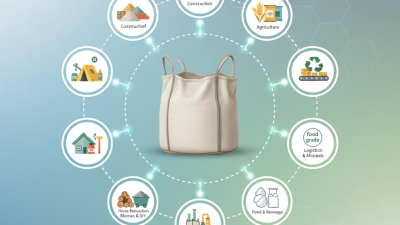
Consider factors like weight capacity and durability. Ton bags can store everything from construction materials to agricultural products. Having the right bag ensures safety during transportation. However, don’t overlook environmental concerns. Not every option is eco-friendly.
Reflect on your priorities. Are you looking for cost-effectiveness or sustainability? Sometimes, a cheaper bag might not perform well. Investing in quality can save money in the long run. Evaluate your options carefully to meet your business needs effectively with ton bags.
Understanding the Different Types of Ton Bags Available
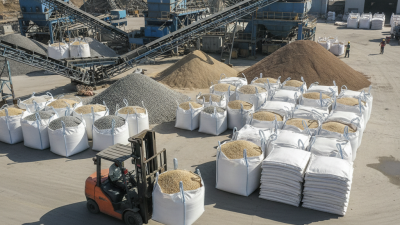
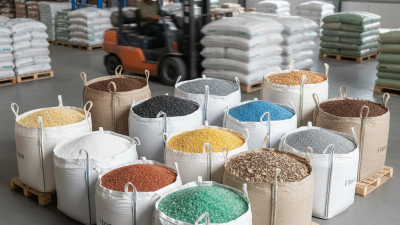
When looking for the right ton bags for business needs, understanding the types available is crucial. Ton bags, or bulk bags, come in various styles tailored for different materials and purposes. For instance, there are standard ton bags, which are versatile and suitable for a wide range of products, from sand to fertilizers. According to a report by ResearchAndMarkets, the global ton bag market is expected to grow by 6.1% annually, highlighting their increasing demand across industries.
Another type is FIBC (Flexible Intermediate Bulk Container) bags, specifically designed for hazardous materials. These bags undergo rigorous testing to meet safety standards. A study by the International Organization for Standardization shows that the right ton bags can enhance workplace safety and reduce material loss by up to 30%. However, businesses must critically assess their material handling processes. Not all ton bags are created equally, and selecting the wrong type can lead to contamination or product damage.
Additionally, there are customized ton bags tailored for specific needs, such as moisture resistance or UV protection. The cost of these tailored options can be higher, and not all businesses may find this necessary. It's important for companies to analyze their operations objectively. Reflecting on the specific requirements and potential pitfalls in material handling can lead to better-informed decisions regarding ton bag selection.
How to Choose the Right Ton Bags for Your Business Needs? - Understanding the Different Types of Ton Bags Available
| Type of Ton Bag |
Material |
Weight Capacity (kg) |
Common Uses |
Features |
| Standard FIBC |
Woven Polypropylene |
1000 |
Bulk materials, agriculture |
UV resistant, reusable |
| Conductive FIBC |
Conductive Polypropylene |
1000 |
Chemicals, powders |
Electrically conductive, safe for flammable materials |
| Heavy-Duty FIBC |
Thicker Woven Polypropylene |
1500 |
Construction materials, heavy bulk items |
Enhanced strength, increased capacity |
| Ventilated FIBC |
Woven Polypropylene with vents |
1000 |
Agricultural products, food items |
Breathable, preventing moisture buildup |
| Liner FIBC |
Woven Polypropylene with inner liner |
1000 |
Powders, granules |
Moisture-resistant, protects contents |
Evaluating Material Options for Durability and Functionality
When choosing ton bags for business needs, material options greatly influence durability and functionality. A common choice is woven polypropylene. This material is robust, lightweight, and resistant to chemicals. It's suitable for transporting various goods, including agricultural products and construction materials.
However, don't overlook other materials. Polyester can offer flexibility and water resistance. Consider the intended use before deciding on fabric. Is the bag for heavy loads or lighter items? Evaluating this will help you make an informed choice.
You may want to ask yourself about environmental factors. Are there eco-friendly options that meet your needs? Many businesses now prioritize sustainability. Research biodegradable or recyclable materials if this aligns with your values.
Pay attention to how these materials hold up over time. Remember that a higher initial cost may lead to better durability. Cheaper options may wear out quickly, leading to higher replacement costs. Inspect samples before purchasing, as seeing the material in person can reveal its limitations.
Determining the Right Size and Capacity for Your Business Needs
Choosing the right ton bags requires a clear understanding of size and capacity. Many businesses underestimate the importance of these factors. A recent industry report states that 65% of logistics issues stem from inadequate packaging solutions. Hence, selecting the correct ton bag can optimize shipping and reduce waste.
A ton bag’s size must align with your product dimensions. An improperly sized bag may lead to damages during transport or increased costs. For example, a 1-ton bag typically holds around 1 cubic meter of material. Consider your product’s weight and volume carefully. Look beyond standard sizes. Custom options exist, but they require a thorough evaluation of your specific needs.
Deciding on the right capacity is equally essential. Aim for a balance between space efficiency and load security. If your bag is too large, it may result in excessive shaking or movement, impacting product integrity. Analyze historical shipping data for insights. When in doubt, consult with storage experts. Their knowledge can guide you in making an informed decision.
Assessing Cost-Effectiveness and Supplier Reliability
When selecting ton bags for your business, supplier reliability is crucial. A reliable supplier ensures that you receive quality products on time. Consider their track record. Look for reviews and past client feedback. This will give you insight into their reliability.
Cost-effectiveness should also be weighed carefully. Sometimes, lower prices come with hidden costs, like poor quality. Weigh the initial investment against potential long-term savings. Many businesses overemphasize upfront costs without considering durability. If a bag doesn’t last, it can lead to frequent replacements and increased expenses.
Additionally, examine the supplier's response time. If they don't answer queries promptly, it may signal future challenges. Delays in communication often lead to misunderstandings. Assessing these factors helps ensure your ton bags meet business needs while remaining cost-effective.
Exploring Customization Options for Branding and Identification
When selecting ton bags for your business, customization plays a significant role in branding and identification. Customized bags not only enhance your brand image but also help in standing out in a crowded market. Consider adding your logo, brand colors, or unique designs to create a lasting impression. Packaging is a powerful tool.
One effective approach is to choose specific materials that resonate with your brand's identity. For instance, using eco-friendly materials can appeal to environmentally conscious consumers. This adds a layer of responsibility to your brand. Reflecting on your target audience is crucial in this process. Think about what would attract them, as not all designs will resonate with everyone.
Customization options can vary widely. You may choose from printing, embroidery, or labels. Each method has its strengths and limitations. Experiment with different designs. It's essential to assess which options enhance your brand without overwhelming the bag's function. Take time to gather feedback on your designs. Sometimes, the first choice might not be the best fit after all. Balancing aesthetics and practicality is key in making the right decision.