How to Choose Biodegradable Packaging Bags?

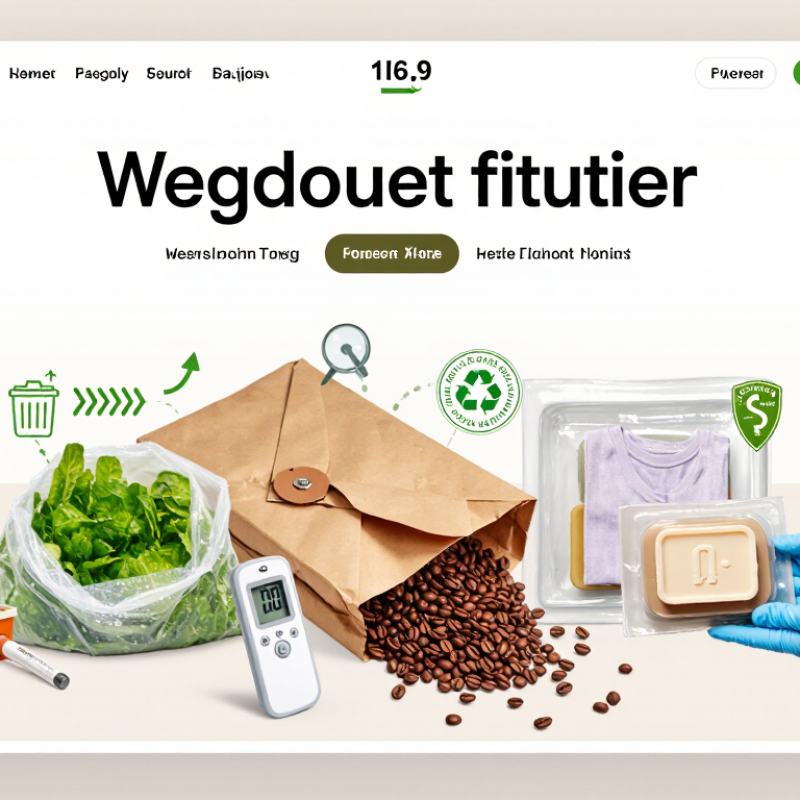
Choosing biodegradable packaging bags requires more than reading a green label. The right decision depends on the product, storage conditions, disposal route, and required shelf life. A bag holding fresh produce faces different demands than one carrying coffee, soap, or clothing. Thickness matters too. A thin mailer may tear during transport, while an oversized bag wastes material.

Dr. Ramani Narayan, a leading bioplastics researcher at Michigan State University, states, “Biodegradability is a system property, not a material property.” This principle should guide every purchase. A bag may break down in an industrial composting facility, yet remain unchanged in a backyard compost pile or landfill. Ask suppliers for clear testing details, including temperature, humidity, time frame, and recognized certification. Do not rely on vague claims such as “eco-friendly” or “earth-safe.”

Practical experience also reveals uncomfortable gaps. Some biodegradable packaging bags perform poorly in wet conditions. Others require special disposal systems that customers cannot access. A certified compostable film might also cost more and need careful storage before use. Compare barrier performance, sealing strength, print quality, and end-of-life instructions. Request samples. Test them with real products, real handling, and realistic shipping conditions. One overlooked weakness can cancel an otherwise thoughtful sustainability plan. Choosing better packaging is not about finding a perfect bag. It is about matching verified performance with an achievable disposal pathway.
How to Choose Biodegradable Packaging Bags?

Define “Biodegradable” Through EN 13432 and ASTM D6400 Standards

“Biodegradable” alone is not a reliable purchasing standard. For packaging bags, ask whether the finished product meets EN 13432 or ASTM D6400 requirements. These standards address compostability under controlled conditions, not every natural environment.

EN 13432 evaluates biodegradation, physical disintegration, plant toxicity, and limits for substances such as heavy metals. The bag must break down during industrial composting within defined test conditions.

That detail matters. A bag that softens in a backyard compost pile may still fail the standard.

ASTM D6400 focuses on plastics designed for municipal and industrial composting facilities. It assesses disintegration, biological conversion, and potential harmful residues through recognized laboratory methods.

Neither standard automatically proves home compostability, soil safety, or breakdown in water.

A claim based only on the bag’s material type is incomplete. The additives, inks, adhesives, and handles also need attention.

When comparing suppliers, request test reports for the complete bag, not only the raw resin. Check the testing conditions, sample thickness, test date, and stated disposal route.

Certification or conformity documents from a qualified assessment body add useful evidence.

In practical purchasing, performance can expose an uncomfortable gap: a bag may meet compostability tests yet tear when filled with damp food waste.

I would test strength, sealing, and composting claims together before approving a large order. Real use is often less tidy than a laboratory sample.
Compare PLA, PBAT, PHA, and Starch Bags by Material Performance

How to Choose Biodegradable Packaging Bags?

Choosing a biodegradable bag starts with the product, not the material trend. PLA bags are clear, stiff, and useful for dry foods or lightweight retail items. However, they can become brittle under heat and usually need controlled industrial composting. PBAT offers better flexibility and tear resistance. It often suits produce bags, liners, and packaging that needs gentle stretching. Its performance depends on the blend and thickness.

PHA is more versatile in natural environments, but it usually costs more and may have less predictable supply. It can work for applications needing biodegradation beyond industrial composting, yet testing conditions matter greatly. Starch-based bags feel soft and can break down effectively when moisture and microbes are present. They may absorb water quickly, lose strength, or wrinkle around damp products. No material wins everywhere. That is the part many comparisons miss.

Tips: Test a filled bag, not an empty sample. Check seal strength, puncture resistance, storage humidity, and temperature exposure. Ask for verified compostability data and clear disposal instructions. Do not assume “biodegradable” means harmless in every setting. In practical evaluations, a thicker bag sometimes performs better but uses more material, which weakens the environmental advantage. A small pilot test can reveal this uncomfortable trade-off before large-scale purchasing.

How to Choose Biodegradable Packaging Bags? - Compare PLA, PBAT, PHA, and Starch Bags by Material Performance

Performance Dimension PLA Bags PBAT Bags PHA Bags Starch-Based Bags
Material Origin Bio-based polyester, commonly made from fermented plant sugars Biodegradable aliphatic-aromatic copolyester; commonly fossil-based, although partially bio-based grades exist Bio-based polyhydroxyalkanoate produced by microorganisms Starch blended with biodegradable polymers and plasticizers
Typical Mechanical Performance Good stiffness and clarity; relatively brittle compared with flexible film grades High flexibility, elongation, tear resistance, and puncture resistance Ranges from flexible to rigid depending on polymer grade; generally good toughness Moderate strength; performance depends strongly on blend formulation and moisture level
Flexibility Low to moderate High Moderate to high Moderate; may become brittle when dry or weak when highly humid
Heat Resistance Limited in standard grades; glass-transition temperature is about 55–60°C Generally limited to moderate temperatures; formulation-specific Grade-dependent; some grades provide better heat resistance than PLA Usually limited; high heat and moisture can accelerate deformation
Moisture Resistance Good moisture barrier for many dry-product applications Good moisture resistance; suitable for many flexible packaging formats Generally good, but performance varies by grade and film structure Lower moisture resistance than PLA, PBAT, or PHA unless coated or blended
Industrial Compostability Generally compostable only under controlled industrial composting conditions Commonly designed for industrial composting when certified and properly formulated Many grades are industrially compostable; certification should be checked Often industrially compostable when the complete formulation is certified
Home Compostability Typically not suitable for ordinary home composting Usually not suitable unless specifically certified for home composting Some formulations can biodegrade in home or natural environments, but claims are grade-specific Potentially suitable in some formulations, but complete-product certification is required
Biodegradation Environment Primarily elevated-temperature, high-humidity industrial composting environments Primarily industrial composting environments with sufficient heat, moisture, and microbial activity Can biodegrade in a wider range of managed and some natural environments, depending on grade and conditions Biodegrades through microbial activity; rate is strongly affected by humidity, temperature, and blend composition
Transparency and Appearance Usually clear and glossy Usually translucent to opaque; matte or glossy finishes are possible Clear, translucent, or opaque depending on grade Often translucent or opaque with a natural, slightly hazy appearance
Typical Bag Applications Dry-food packaging, produce windows, disposable serviceware liners, and rigid or semi-rigid packaging Compostable shopping bags, produce bags, garbage bags, mailers, and flexible pouches Specialty food packaging, coatings, films, and applications requiring broader biodegradation potential Shopping bags, carry bags, compost liners, and short-life packaging
Main Advantages Plant-based feedstock, good clarity, and established processing technology Excellent flexibility and toughness; commonly blended with PLA to improve film performance Bio-based origin and potentially broader biodegradation behavior Uses renewable agricultural feedstocks and can provide a natural material profile
Main Limitations Brittleness, limited heat resistance, and dependence on industrial composting infrastructure Often fossil-based, and compostability depends on the final formulation and certification Higher cost and more limited large-scale supply than common PLA or PBAT grades Sensitivity to moisture, variable mechanical strength, and shorter storage stability
Best Choice When Clarity and bio-based content are more important than high flexibility The bag needs high flexibility, tear resistance, and industrial compostability A premium material with bio-based content and broader biodegradation potential is required The product has a short service life and renewable feedstock content is a priority

Note: Actual performance depends on resin grade, additives, film thickness, bag structure, sealing method, and storage conditions. “Biodegradable” does not mean that a bag will rapidly decompose in the open environment. Always verify the certification of the complete finished bag, such as industrial compostability or home compostability, rather than relying only on the raw-material name.

Check Industrial Composting: 90% Biodegradation Within 180 Days

How to Choose Biodegradable Packaging Bags?

A biodegradable bag is not automatically suitable for every composting system. Check whether it is certified for industrial composting and tested under recognized standards. A credible specification may state 90% biodegradation within 180 days under controlled industrial conditions. This figure depends on heat, moisture, oxygen, and microbial activity. It does not promise the same result in a garden compost pile. Industrial facilities often maintain temperatures near 55–60°C, while home compost bins rarely reach them consistently.

Ask suppliers for test reports, certification numbers, and clear disposal instructions. Check the entire bag, not only its main film. Handles, labels, adhesives, and printed inks can affect compostability. Bag thickness also matters because thicker materials may break down more slowly. Confirm that your local facility accepts certified compostable packaging. A certified bag may still be rejected if the collection program lacks proper sorting equipment. That practical gap is easy to overlook.

Tips

Request evidence for the 90% claim. Look for the testing period, laboratory conditions, and applicable standard. Ask whether the result measures biodegradation or only physical disintegration. Keep bags dry during storage to prevent premature weakening. Do not mix them with ordinary plastic recycling. A small trial can reveal tearing, leaking, or poor sealing before large-scale use. I would also review the paperwork twice; one unclear disposal symbol can confuse customers and waste workers.

Match Bag Strength, Thickness, and Load Capacity to Packaging Needs

How to Choose Biodegradable Packaging Bags?

Bag performance starts with the load, not the word “biodegradable.” A 500-gram bakery pouch needs different strength from a 10-kilogram garden-material sack. Check product weight, edge sharpness, moisture, stacking time, and transport distance. Film thickness alone cannot guarantee safety. A thicker film may still split at the seal. Test tensile strength under ASTM D882 and puncture resistance under ASTM D1709. European Bioplastics’ 2023 market data reports global bioplastics production capacity at about 2.18 million tonnes, projected to reach 7.43 million tonnes by 2028. More materials are entering the market, but performance still varies widely.

A practical specification should state minimum load capacity, thickness, seal strength, and drop-test results. For example, a 5-kilogram bag may need reinforced seams and a stronger bottom gusset when filled with rough, angular goods. I would not choose thickness by appearance. Measure it. Test filled bags after storage, because humidity and heat can weaken some compostable films. One overlooked detail is handle stress. Thin handles can fail before the main body does. Packaging testing should reflect real handling, including lifting, stacking, and accidental drops.

Tips: Request technical data, not vague “heavy-duty” claims. Compare at least three production samples. Record failure points. If the seal opens first, increasing film thickness may be the wrong fix. ASTM and ISO test methods improve comparison, but actual product trials remain essential. An imperfect test is still better than guessing.

How to Choose Biodegradable Packaging Bags?

Match bag thickness and recommended load capacity to the packaging application.

The values shown are representative midpoints for common biodegradable and compostable bag applications. Thicker bags generally provide greater puncture resistance and load capacity, but actual performance also depends on material formulation, bag dimensions, handle design, temperature, and moisture. Always confirm suitability with supplier specifications and practical load testing.

Verify Certifications, Disposal Access, and Full-Life-Cycle Impact

Choosing biodegradable packaging bags requires more than reading a green claim. Check recognized certifications and the exact material covered. A certificate should show the testing standard, scope, laboratory, and expiration date. Ask whether it covers the bag, ink, adhesive, and handles. Small print matters. In practical procurement reviews, a resin certificate is sometimes presented as proof for the finished pouch. That assumption can mislead purchasing teams.

Disposal access matters. A compostable bag may require an industrial facility with controlled heat, moisture, and oxygen. Your local collection service may not accept it. Call the waste operator before ordering thousands of units. Check accepted materials, collection rules, signage, and facility routes. If bags enter ordinary recycling, they may disrupt sorting. If they reach landfill, degradation can be slow or incomplete. The disposal label must match local reality, not only laboratory conditions.

Evaluate the full life cycle from raw materials through transport and end of use. Compare material weight, renewable content, water demand, manufacturing energy, and shipping distance. A thinner bag can reduce transport emissions but fail under heavy products. A stronger bag may perform better yet require more material. Test real conditions. Fill samples with the intended products, moisture, and storage duration. Request third-party test reports and measured production data. Be cautious with claims such as “zero impact.” Every assessment has limits, and some consequences remain difficult to measure. That uncertainty deserves honest documentation, not convenient promises.