2026 How to Choose the Best Agriculture Bags for Your Needs?
Agriculture bags are essential for farmers and distributors. They play a vital role in the agricultural supply chain. According to a recent market analysis, the global agriculture bags market is projected to grow significantly, reaching over $4 billion by 2026.
Choosing the right agriculture bags can be challenging. Different crops have unique requirements. The materials, sizes, and designs of the bags must align with these needs. For example, polypropylene bags are popular for their durability and resistance to moisture. However, some bags may not perform well under extreme conditions, leading to disappointing results.
Farmers must consider various factors. Cost-effectiveness should not compromise quality. Selecting inferior bags might affect the harvest's integrity. Reflecting on past experiences can help in making informed choices. Assessing customer reviews and industry standards is crucial. With the right approach, the selection of agriculture bags can enhance productivity and reduce waste.

Identifying Your Specific Agricultural Needs for Bag Selection
When selecting agriculture bags, it's crucial to identify your specific needs. Different crops and activities require unique bag features. For example, do you need breathable bags for grains or waterproof bags for fertilizers? Understanding what you are storing can guide your selection.
Tips: Always consider the weight capacity. Some bags may look sturdy but can't handle heavy loads. Test a few before committing to a large order.
Think about the environmental impact too. Biodegradable options are becoming popular. They reduce waste and are better for the planet. Yet, check their durability for long-term use. Sometimes, a cheaper option might end up costing more.
Consider storage conditions as well. Are your bags going outside in the sun or indoors in a cool area? Different materials perform better under varying conditions. Reflect on these factors carefully, as they will significantly impact performance.
Understanding Different Types of Agriculture Bags Available in the Market
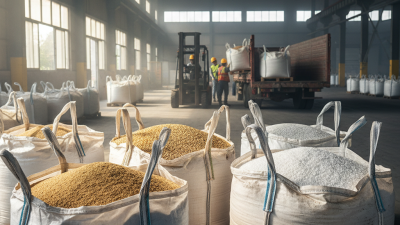
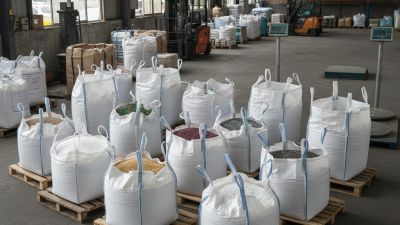
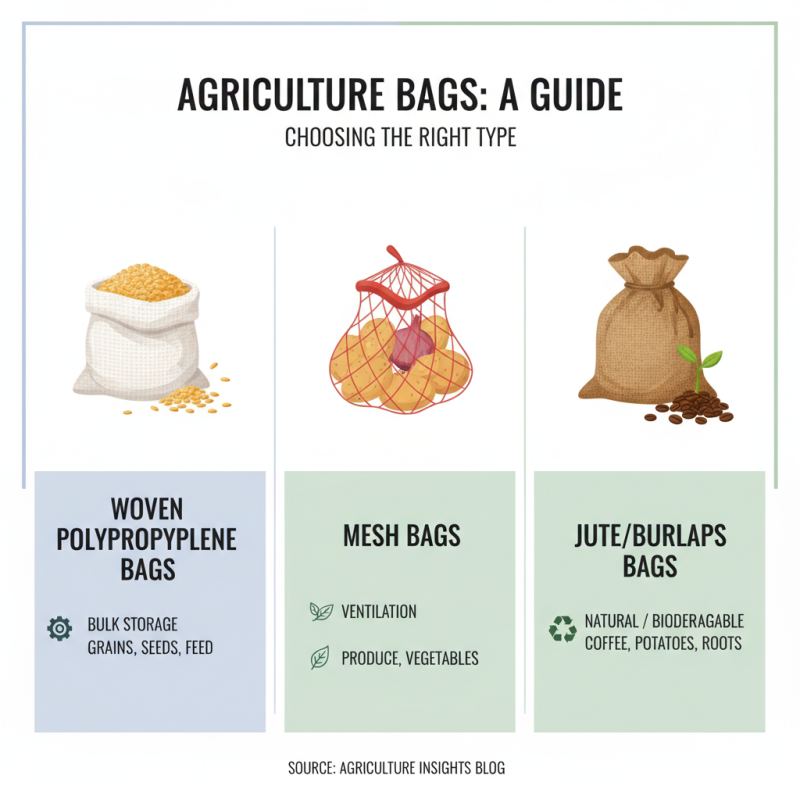
When choosing agriculture bags, it’s vital to understand the different types available. There are several options on the market. Each bag serves a specific purpose. For example, woven polypropylene bags are durable and ideal for bulk storage. They can hold grains, seeds, and other products.
Another popular choice is biodegradable bags. These bags are environmentally friendly. They break down naturally, reducing pollution. However, they may not be as durable as traditional options. Users must be cautious about their longevity in different climates.
Tips: Always consider the bag’s capacity. Think about how much you usually store. A bag that is too small can lead to overflow. Check the seal strength as well. Weaker seals can cause spillage, leading to losses. Don’t forget to think about transportability. Some bags are easier to handle and carry than others. Choose wisely to meet your specific needs.
Evaluating Material Durability and Environmental Impact of Bags
When selecting agriculture bags, material durability is crucial. Bags made from strong materials like woven polypropylene offer excellent resistance to wear and tear. They can withstand harsh weather, be it sun, rain, or snow.
However, not all durable materials are environmentally friendly. Some may take centuries to decompose.
Consider biodegradable options. These materials can break down naturally, reducing landfill waste. However, they may lack the strength required for heavy loads. This trade-off can affect your choice deeply.
The necessary balance between durability and sustainability is complex but essential.
Evaluate the intended use of these bags. If you need them for transportation, durability is key. But if the bags can be composted afterward, this can benefit the environment.
Reflect on how your choice impacts nature. The best decision may not always be straightforward. Look for choices that meet your needs while being kind to the planet.
Sizing Considerations for Agriculture Bags Based on Crop Type
When selecting agriculture bags, crop type is key. Different crops require specific bag dimensions and materials for optimal storage. For instance, grains like wheat need stronger, breathable bags to prevent spoilage. A report from the International Grain Council notes that proper packaging can reduce post-harvest losses by up to 20%.
Fruits and vegetables are more sensitive. They often need padded bags to avoid bruising. Size matters. Small bags may be perfect for berries, while larger sacks work better for potatoes. Monitoring the sizes helps minimize waste.
Tip: Always measure your crops before purchasing bags. This will ensure you buy the right sizes. Consider the expected yield. You might need different sizes for various harvests. Reflecting on your needs can guide better purchasing decisions. Data from the USDA indicates that improper selection can lead to increased handling costs. Making informed choices is crucial for efficiency.
Crop Type vs. Recommended Bag Size
Cost-Effectiveness and Supplier Reputation in Choosing Agriculture Bags
When selecting agriculture bags, cost-effectiveness and supplier reputation are key factors. A lower price might seem appealing, but consider the long-term quality. Cheap bags may wear out quickly, leading to higher replacement costs. Quality bags can save money over time.
Tips for choosing wisely: Always compare prices from different vendors. Look for bulk discounts if you need a large number of bags. Seek suppliers with positive reviews. A strong reputation often indicates reliability and quality.
Don’t overlook the materials used in the bags. Some materials might not withstand harsh weather or heavy loads. Test samples before committing to a supplier. Remember, the difference in quality can mean fewer issues on the farm. Take your time in making the right choice.