Why is Milk Powder Film Essential for Global Buyers?
The significance of Milk Powder Film cannot be overstated in the global market. According to recent research by Grand View Research, the global milk powder market is expected to reach USD 39.9 billion by 2025. This growth underlines the vital role of quality packaging, particularly Milk Powder Film, in preserving product integrity.
Milk Powder Film offers multiple benefits, including protection against moisture, light, and oxygen. These factors are crucial, as exposure can lead to spoilage or a decrease in nutritional value. A report from the International Dairy Federation emphasizes the need for innovative packaging solutions to meet consumer demands and ensure safety. Yet, many manufacturers still face challenges in sourcing high-quality film options.
The reliability of Milk Powder Film affects not only the product quality but also the brand's reputation. Some brands still struggle with film durability and sealing effectiveness. Understanding these issues can lead to better decision-making in packaging strategies, ultimately benefiting consumers and manufacturers alike. The future of dairy packaging hinges on embracing innovative solutions like Milk Powder Film to maximize efficiency and maintain product excellence.
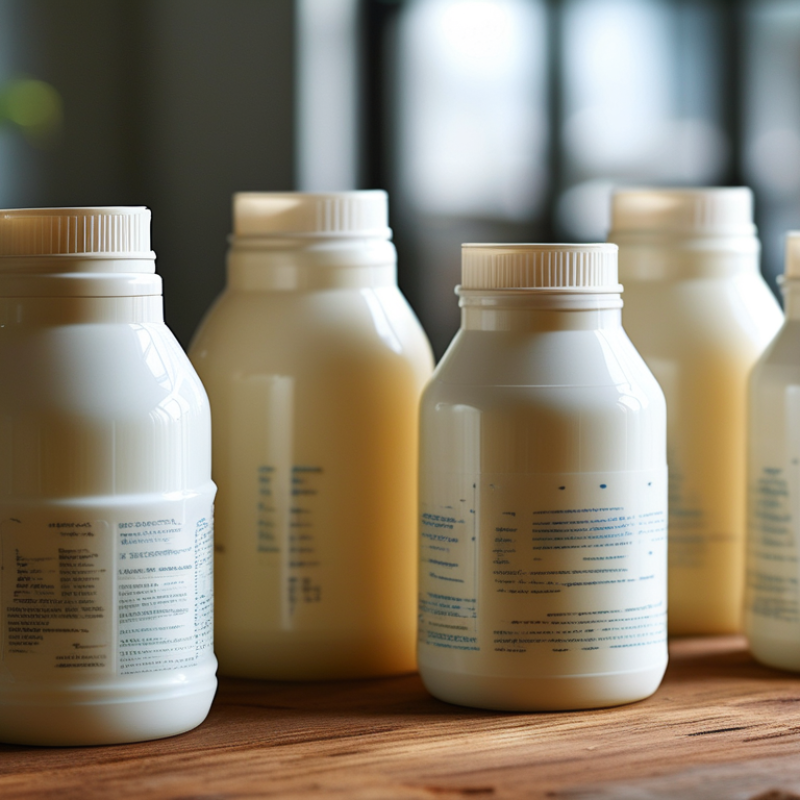
Importance of Milk Powder Film in Global Supply Chains
Milk powder film plays a crucial role in global supply chains. It serves as a protective barrier for milk powder during storage and transportation. Proper packaging ensures the product remains fresh, maintaining its quality and nutritional integrity. In a world where food safety is paramount, the significance of effective packaging cannot be overstated.
Many organizations overlook the importance of choosing the right film type. Not all films provide the same level of protection. Some might be cost-effective but lack essential properties, leading to spoilage and waste. Buyers must understand the requirements of their specific supply chain. Consider factors like temperature, humidity, and exposure to light. These can affect the choice of film material.
Tips for selecting milk powder films include evaluating moisture barriers and oxygen transmission rates. Always choose films that align with international safety standards. Regular assessments of packaging effectiveness can help maintain quality. Remember, the right film not only protects products but also reflects a commitment to excellence.
Why is Milk Powder Film Essential for Global Buyers? - Importance of Milk Powder Film in Global Supply Chains
| Country | Milk Powder Film Usage (Tons) | Market Share (%) | Import Volume (Tons) | Key Suppliers |
| USA | 120,000 | 30 | 50,000 | Supplier A, Supplier B |
| China | 145,000 | 35 | 60,000 | Supplier C, Supplier D |
| Germany | 90,000 | 20 | 40,000 | Supplier E, Supplier F |
| India | 110,000 | 25 | 35,000 | Supplier G, Supplier H |
| Australia | 75,000 | 15 | 20,000 | Supplier I, Supplier J |
Key Properties of Milk Powder Film for Shipping and Storage
When considering global shipping, the role of milk powder film is crucial. It acts as a protective barrier during storage and transit. Quality milk powder film significantly influences shelf life, which is critical for international trade. According to industry reports, using high-grade film can improve product longevity by up to 30%.
One key property of milk powder film is its moisture barrier. Reports indicate that films with superior moisture control can reduce spoilage. The ideal film should have a low permeability rate, often less than 0.02 g/m²/day. This ensures that the milk powder maintains its quality, preventing clumping and oxidation.
The film’s tensile strength also matters. Stronger films withstand the rigors of shipping without tearing. A study noted that films that can endure at least 200 % elongation before breaking offer better protection. However, not all suppliers meet these standards, which can lead to compromised products. Using subpar materials could cost companies more in the long run due to returns and replacements. Investing in quality milk powder film is essential for maintaining product integrity and fostering trust with buyers.
Impact of Milk Powder Film on Product Quality and Freshness
Milk powder film plays a pivotal role in preserving the quality and freshness of dairy products. When milk powder is packaged, its exposure to air and light can cause oxidation, impacting flavor and nutritional value. By utilizing a high-quality milk powder film, manufacturers can significantly mitigate these risks, leading to better product stability.
The film acts as a barrier, protecting milk powder from moisture and external contaminants. This means that the product retains its taste and health benefits for a longer duration. Without proper packaging, milk powder can absorb humidity, which results in clumping and spoilage. In some cases, the product may become unusable. Hence, adequate protection is crucial for maintaining its integrity.
The importance of milk powder film is often overlooked. Many buyers may not realize that a simple packaging choice can affect the overall consumer experience. Quality packaging should not be taken lightly. Inadequate protection may result in wasted products and dissatisfaction. Understanding these aspects can help buyers make informed decisions for their supply chains.
Economic Benefits of Using Milk Powder Film for Buyers
Milk powder film serves as a crucial element for global buyers looking to enhance their product packaging. According to a report by Grand View Research, the milk powder market is projected to reach USD 28.8 billion by 2025. This growth highlights the increasing demand for innovative packaging solutions such as milk powder film.
Using milk powder film provides significant economic benefits. For instance, this film can extend shelf life, reducing waste. A study from the International Dairy Federation suggests that effective packaging can decrease spoilage rates by up to 20%. For buyers, this can lead to substantial cost savings over time. Packaging innovations reduce logistics costs, enabling bulk transport and minimizing space requirements.
The milk powder film market is not without its challenges. Some buyers may face difficulties in sourcing high-quality materials that meet safety standards. Furthermore, adapting to new technologies may require upfront investments. Despite these hurdles, the potential for increased profit margins remains enticing. Adopting milk powder film can ultimately enhance market competitiveness while addressing consumer demand for sustainability.
Environmental Considerations in the Production of Milk Powder Film
The production of milk powder film poses significant environmental challenges. It requires substantial water and energy resources. According to the Food and Agriculture Organization (FAO), dairy farming accounts for about 4% of global greenhouse gas emissions. This impact stems from methane produced by livestock and nitrous oxide released from fertilizers. Moreover, land degradation from dairy farming practices raises further concerns.
Sourcing ingredients sustainably is crucial. Dairy operations often encounter issues related to waste management. A report by the International Dairy Federation highlights that around 30% of the materials used in milk production become waste. Addressing this waste is essential for reducing the overall environmental footprint. Comprehensive recycling efforts must be emphasized to minimize pollution and conserve resources.
Innovations are emerging in the sector. Companies are exploring alternatives that reduce reliance on traditional dairy practices. Biodegradable materials and energy-efficient technologies promise a more sustainable approach. However, the challenge of achieving these advancements while maintaining product quality remains. Continuous research and adaptation to new methods are vital to improve sustainability in milk powder film production.
Environmental Impact of Milk Powder Film Production