What is Offset Printing Inspection and Why is it Important?
Offset Printing Inspection is a critical process in the printing industry. It ensures the quality and accuracy of printed materials. This inspection is not just a formality; it significantly impacts the final product's success. Errors in offset printing can lead to costly reprints and wasted resources.
In an increasingly competitive market, maintaining high standards is vital. Offset Printing Inspection involves checking color accuracy, alignment, and paper quality. Such thorough evaluations help in identifying potential defects early. This preventive approach reduces the risk of errors reaching clients.
Experienced professionals conduct these inspections, bringing essential knowledge to the process. Their careful attention to detail enhances reliability. Nonetheless, the human factor means mistakes can happen. Regular training and updates on inspection techniques are necessary. Offset Printing Inspection is not infallible, but when done correctly, it upholds the quality that businesses rely on.
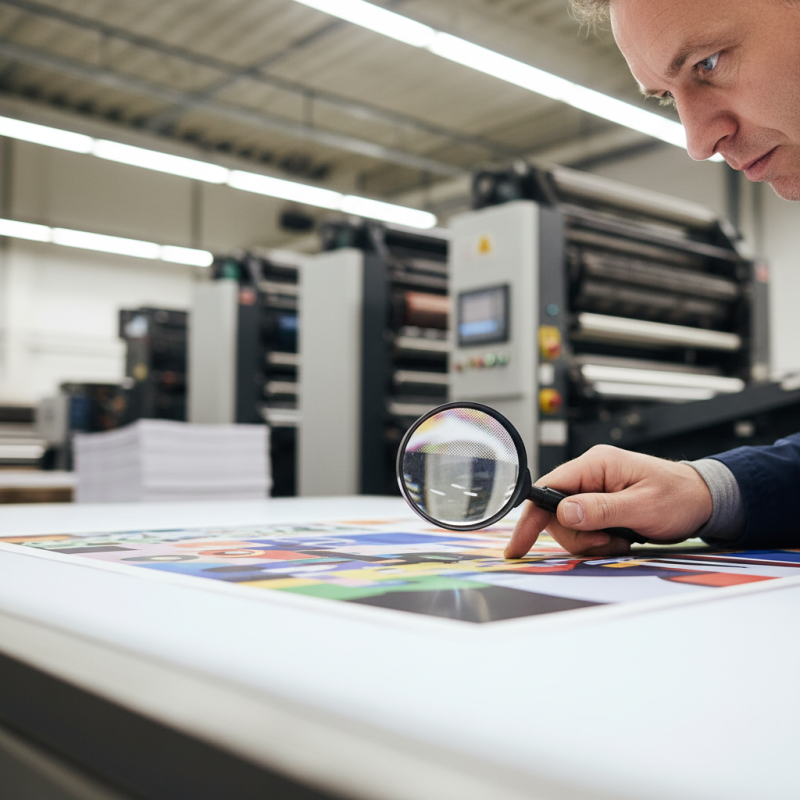
What is Offset Printing Inspection? An Overview of the Process
Offset printing inspection is a crucial phase in the printing process, aiming to ensure the highest quality output. This practice involves a comprehensive evaluation of printed materials, checking for color accuracy, alignment, and any defects that may arise during production. According to industry reports, a staggering 30% of print jobs face issues that could be caught through effective inspection measures. Addressing these problems early can save both time and costs.
Inspection typically begins right at the pre-press stage. Operators must evaluate proofs and color samples against the final design specifications. Color consistency is vital, as even slight variations can lead to customer dissatisfaction. On-press inspection becomes essential when printing in large runs; any inconsistencies can affect hundreds or thousands of copies. Companies often employ advanced technology, such as color sensors and automated inspection systems, to enhance accuracy.
**Tip:** Regularly conduct staff training on inspection techniques. It improves their skills and promotes a culture of quality within the team.
Despite advancements, human oversight remains important. Operators sometimes miss subtle discrepancies, illustrating the need for a dual approach—technology alongside skilled personnel. It’s essential to evaluate and refine inspection methods continually. As the industry evolves, staying updated with best practices is crucial for minimizing errors and maintaining a competitive edge.
**Tip:** Review inspection outcomes frequently to identify trends. This can expose recurring issues, helping to enhance overall quality assurance.
Offset Printing Inspection Data
This chart represents the various stages of offset printing inspection and their importance ratings based on a scale from 1 to 10. The higher the rating, the more critical the step is considered in the offset printing process.
Key Components of Offset Printing Inspection in Modern Printing
Offset printing inspection is essential to ensure high-quality outputs. This process involves monitoring and assessing various factors during printing. Key components include color consistency, registration accuracy, and surface quality. Each element impacts the final product's appearance.
Color consistency can be tricky. Variations in ink density may occur. Regular calibration of equipment helps maintain the desired colors. However, discrepancies can happen. It's crucial to refuse prints that don't meet standards.
Registration accuracy ensures that images align perfectly. Misalignment can ruin a print piece. Implementing detailed checks can detect issues early. Establish a routine inspection protocol to catch errors.
Surface quality is also vital. Look for imperfections such as scratches or blemishes. An effective way to maintain quality is to examine prints under proper lighting. This helps highlight flaws that might be missed otherwise. Always prioritize clean printing surfaces and equipment.
Tips: Regularly train your staff on inspection techniques. Encourage them to identify potential problems proactively. Use checklists to streamline the inspection process. This can enhance efficiency and accuracy.
What is Offset Printing Inspection and Why is it Important?
| Component | Description | Importance |
| Color Control | Ensures accurate color reproduction throughout the printing process. | Essential for brand consistency and customer satisfaction. |
| Registration | Refers to the alignment of colors during printing. | Critical to avoid blurriness and ensure sharp images. |
| Ink Density | Measures the amount of ink applied to the substrate. | Affects the vibrancy and richness of printed materials. |
| Substrate Quality | Evaluates the material being printed on (e.g., paper, cardboard). | Influences print durability and overall appearance. |
| Print Speed Monitoring | Tracks the speed of the printing process. | Important for maintaining production efficiency without sacrificing quality. |
Importance of Quality Control in Offset Printing: Statistical Insights
In offset printing, quality control is crucial for producing consistent results. A report by the Printing Industries of America noted that 42% of print businesses identified quality assurance as their biggest challenge. Inspections during the printing process help detect errors early, preventing costly reprints and wasted materials. By identifying color inconsistencies, misalignments, and blemishes, printers can maintain high standards.
Statistical analysis shows that companies implementing stringent quality control measures see a 30% reduction in defects. This not only boosts productivity but also improves customer satisfaction. An independent study found that 78% of customers value print quality over other factors. This highlights why inspections should be a routine practice.
Tips: Regular audits can help refine the inspection process. Use statistical tools to analyze print runs for patterns in defects. Engage your team in quality discussions; they often spot issues before they escalate. By fostering a culture of quality, offset printing businesses can enhance their reputation and bottom line.
Common Issues Detected During Offset Printing Inspection and Solutions
Offset printing inspection is crucial for ensuring print quality. During this process, several common issues can arise. Problems such as color variations, misalignment, and smudging frequently occur. Each issue can significantly impact the final product's appearance and functionality.
Color variations often lead to inconsistent branding. This can result from improper ink mixing or changes in environmental conditions. Detecting these variations early is vital. Printers can adjust ink levels or modify press speed to correct this.
Misalignment is another common issue that disrupts the flow of images and text. This can stem from worn-out plates or improper registration adjustments. Regular maintenance and precise calibration can help prevent this.
Smudging occurs when ink does not dry correctly. This may result from humidity or insufficient drying time. To address this, ensuring optimal drying conditions is essential. Inspectors should also look for offsetting, where ink transfers from one sheet to another.
Keeping print runs clean and orderly is key to minimizing this problem. Regular inspection can highlight these issues, ensuring a smoother printing process.
Impact of Offset Printing Inspection on Overall Production Efficiency
Offset printing inspection plays a crucial role in ensuring the quality and efficiency of production. It involves systematic checks at various stages of the printing process. This process helps identify potential errors early on, such as color mismatches or alignment issues. By addressing these problems promptly, businesses can avoid costly reprints and wasted materials.
When inspection procedures are implemented effectively, overall production efficiency increases significantly. A well-structured inspection process minimizes downtime. Each error corrected before mass production leads to fewer interruptions. This not only boosts worker morale but also enhances the company's reputation. Without proper inspection, there's a risk of delivering subpar products, which can harm client relationships.
Investing time in offset printing inspection may seem tedious. Some might argue it prolongs the process. However, the long-term benefits often outweigh initial inconveniences. Continuous improvement is essential. Regular evaluations of inspection methods can lead to better outcomes. Embracing a culture of quality can transform the production environment, making it more reliable and productive.