10 Tips for Choosing Fertilizer Packaging Bags

Choosing the right fertilizer packaging bags involves more than selecting an attractive size or color. These bags protect fertilizer from moisture, tearing, contamination, and handling damage. A weak package can turn a stable product into a costly loss.

This guide examines ten practical considerations drawn from packaging experience and quality-control practice. Material selection matters. Woven polypropylene may provide strong load support, while laminated layers can improve moisture resistance. Bag capacity, stitching quality, valve design, and seal strength should match the fertilizer’s density and distribution method. Details matter.

Storage conditions also deserve attention. A bag placed on a damp warehouse floor faces different risks from one transported in a dry truck. UV exposure, stacking pressure, printing durability, and pallet movement can affect performance. Testing filled samples is more reliable than judging an empty bag. Test before scaling.

Sustainability should be considered carefully, not used as a vague marketing claim. Recyclable structures, reduced material use, and reusable transport systems may offer benefits, but performance must remain dependable. A lighter bag is not automatically better if it fails during loading. That trade-off is easy to miss.

Reliable suppliers should provide clear specifications, sample testing, production controls, and traceable quality records. Their recommendations should reflect your fertilizer type, filling equipment, shipment distance, and storage environment. No packaging choice is perfect. Conditions change, and even experienced teams sometimes overlook small weaknesses. Reviewing those weaknesses early can prevent larger problems later. These ten tips will help buyers evaluate fertilizer packaging bags with greater confidence, practical evidence, and professional judgment.
10 Tips for Choosing Fertilizer Packaging Bags

Define the Fertilizer Type, Weight, and Packaging Requirements

10 Tips for Choosing Fertilizer Packaging Bags

Define the Fertilizer Type, Weight, and Packaging Requirements

Start by identifying the fertilizer’s physical and chemical behavior. Urea attracts moisture, while granular NPK products can abrade weak inner surfaces. Liquid fertilizers require different barrier protection and chemical compatibility. A bag designed for dry granules may fail quickly with liquids. Do not assume one format fits every product.

The International Fertilizer Association’s Medium-Term Fertilizer Outlook 2024–2028 forecasts global fertilizer demand at about 205 million tonnes of nutrients by 2028. That scale makes accurate weight control essential. Select a bag capacity that matches the declared fill weight, such as 25 kg or 50 kg, without overloading seams. Test filled bags during stacking, dropping, and warehouse handling.

Moisture protection deserves close attention. Use a suitable polyethylene liner or coated woven structure when storage conditions are humid. Check seal strength after filling, not only before production. The OECD Global Plastics Outlook projects plastic waste could reach 1,014 million tonnes by 2060. Therefore, avoid excessive material, but do not reduce thickness blindly. Lightweight packaging can create leakage, product loss, and customer complaints. This trade-off needs testing.

Specify UV resistance for outdoor storage. Confirm print durability and readable batch information.

Request migration, compatibility, and compression-test records from suppliers. Field trials remain valuable. Laboratory results alone can miss real warehouse problems.
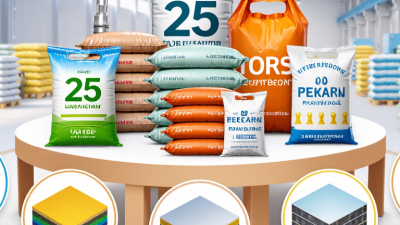
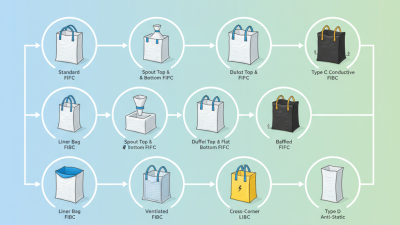
Choose Materials That Resist Moisture, Chemicals, and Tearing

10 Tips for Choosing Fertilizer Packaging Bags

Tip 1: Match the bag material to the fertilizer’s chemistry. Some blends absorb moisture quickly, while others can weaken plastic films.

Tip 2: Use woven polypropylene for strong outer support.

Tip 3: Add a polyethylene liner when humidity is a concern. A dry granule matters.

Tip 4: Check chemical compatibility using the fertilizer’s safety data and supplier information. I once saw a liner swell after prolonged contact, even though it looked suitable at first.

Tip 5: Choose a thickness that balances protection, weight, and handling.

Tip 6: Test resistance to tearing around seams, corners, and lifting points. Bags often fail during loading, not storage.

Tip 7: Inspect stitching or heat seals for gaps and uneven pressure.

Tip 8: Request practical drop and compression tests with filled bags. Laboratory results help, but warehouse conditions can be less predictable.

Tip 9: Consider a moisture barrier with reliable closure features. A small opening can allow condensation inside.

Tip 10: Confirm that printed surfaces, coatings, and adhesives remain stable around fertilizer dust and chemicals.

Ask for samples before approving large production. Store test bags in warm, humid conditions, then handle them with gloves and normal warehouse equipment.

Look for brittleness, odor changes, powder leakage, and weakened seams.

No package is perfect. Recheck performance when the formula, filling weight, or storage season changes. Real use can reveal problems that specifications miss.

Select the Right Bag Structure, Size, and Closure System

Fertilizer packaging starts with bag structure, not artwork. Woven polypropylene provides strong load support and resists rough warehouse handling. Add a polyethylene liner when powders face humidity or caking risks. For highly hygroscopic products, a laminated woven structure can improve moisture protection. The International Fertilizer Association’s 2023 outlook projected global fertilizer demand near 200.5 million tonnes of nutrients by 2027. More volume means more exposure to transport, stacking, and seasonal storage pressure.

Size should match the product’s density and the customer’s lifting routine. Common fills include 25 kg and 50 kg, but a smaller bag may reduce handling injuries. A 500 kg or 1,000 kg flexible intermediate bulk container suits industrial distribution. Test the filled bag, not only the empty material. Measure seam strength, drop resistance, top-load stability, and moisture transmission. Small details matter.

Closure choice affects both protection and speed. Heat-sealed liners provide stronger moisture control than simple stitched openings. A sewn hem with tape is practical for dry granules and repeated handling. Valve bags can support fast filling, but poor valve design may leak fine particles. The European Chemicals Agency’s packaging guidance emphasizes secure containment and legible hazard communication for chemical products. I would not select a closure from price alone. A cheaper system can create dust, waste, and rejected shipments. Sometimes, the “strongest” bag is oversized and inefficient. Recheck the real filling line, storage climate, and transport route before ordering.

Evaluate Printing, Labeling, and Regulatory Information

Clear printing is more than decoration on fertilizer packaging bags. It helps workers identify the product quickly and prevents costly handling mistakes. Use sharp text, strong contrast, and a font readable from several feet away. Important details should not disappear across seams, folds, or rough woven surfaces.

Labeling Labeling must match the product inside. Include the fertilizer grade, net weight, nutrient analysis, application guidance, batch code, and storage instructions. Use familiar measurement units for the target market. A scannable code can support traceability, but it should never replace printed information. Keep warnings visible. Tiny text often fails during warehouse inspections.

Regulatory information requires careful checking before production. Requirements may differ by country, crop, fertilizer type, and sales channel. Confirm approved wording with qualified local specialists, then compare the final artwork with the technical product file. One overlooked decimal point can change the meaning of nutrient content. That deserves a second review.

A practical test helps. Print a sample bag and inspect it under warehouse lighting. Rub the surface, fold the corners, and photograph it from a distance. Does the ink remain clear? Does the label stay attached? I have seen attractive artwork lose important text near a gusset. That mistake is easy to miss on a screen. Leave space for batch coding and future compliance updates. Overcrowded design looks efficient, but it usually creates confusion.

Compare Sustainability, Cost, Supplier Quality, and Delivery Terms

10 Tips for Choosing Fertilizer Packaging Bags

Sustainability should begin with the bag’s actual service life. Choose recyclable materials when local recovery systems can handle them. Ask whether the bag contains recycled content, and request test data rather than broad environmental claims. Check strength, moisture resistance, UV protection, and seam performance. A thinner bag may reduce material use, but it can fail during stacking or transport. Get samples first. Test filled bags on pallets, in storage, and during loading. A damaged package creates waste, product loss, and customer complaints. Cheap is not cheap.

Cost comparison requires more than checking the unit price. Include printing, pallet patterns, storage space, rejected bags, and freight damage. I have seen low-cost packaging become expensive after weak seams caused repeated leakage. Review minimum order quantities and payment conditions carefully.

Then assess supplier quality through factory records, inspection procedures, production capacity, and traceable raw materials. Ask for batch samples and clear specifications. Details matter. A supplier that answers quickly but avoids evidence deserves caution.

Delivery terms can affect your supply more than a small price difference. Confirm lead time, production scheduling, shipping responsibility, insurance, customs documents, and delivery location in writing. Clarify what happens when goods arrive late or fail inspection. Request realistic production dates, not optimistic promises. Keep a small safety stock before peak fertilizer seasons. However, excessive inventory can absorb cash and warehouse space. I would also review communication during one trial order. That test may reveal more than a polished presentation. Suppliers can make mistakes, and buyers can miss risks. Review both sides honestly.