Ultimate Tips for Choosing Galvanized Steel Screws?
When selecting fasteners for construction or DIY projects, the choice of screws is crucial. Galvanized Steel Screws offer unique advantages due to their rust-resistant properties. They make an ideal choice for outdoor applications or areas with high moisture. Understanding their characteristics will help you make an informed decision.
Consider the various factors affecting your choice. The gauge, thread type, and head design all play a significant role in performance. Properly matching the screw to your material ensures strength and durability. A well-chosen Galvanized Steel Screw can enhance the longevity of your project significantly.
However, it’s essential to acknowledge potential pitfalls. Not every galvanized screw is created equal. Variations in coating thickness can lead to corrosion issues. Researching the manufacturer's specifications can save you headaches later. Avoid compromising on quality, as it impacts your project's success.
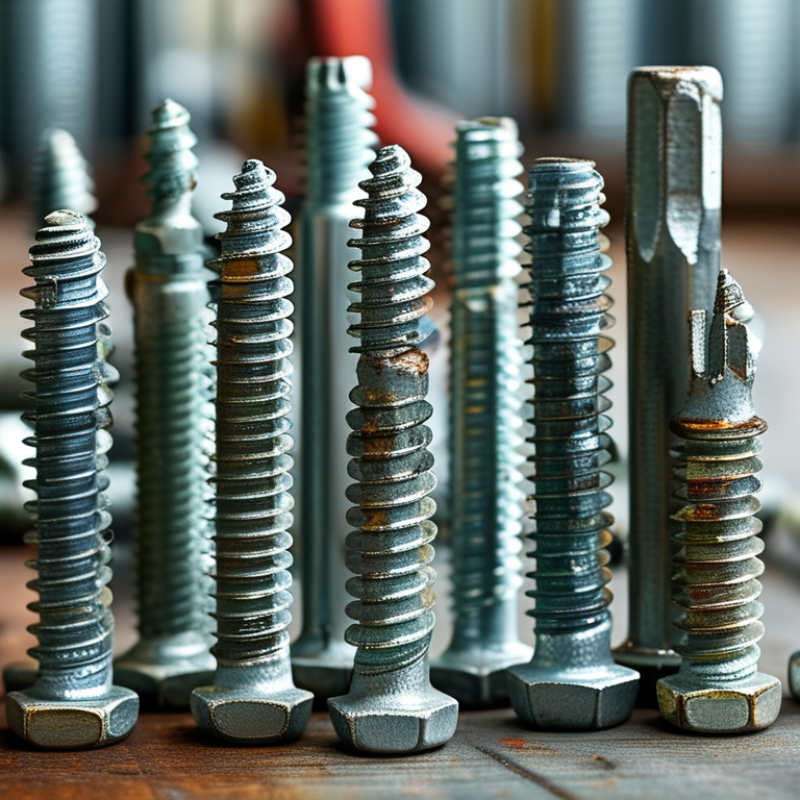
Understanding Galvanized Steel Screws and Their Applications
Galvanized steel screws are increasingly popular in construction and manufacturing. They are coated with zinc, which provides resistance to corrosion. According to a recent industry report, the global market for galvanized screws is projected to reach USD 3.2 billion by 2026, growing at a CAGR of 5%. This demand reflects their critical role in outdoor and marine applications.
Understanding their applications can help in making informed choices. Galvanized screws are ideal for wood and metal connections. They are commonly used in roofing, decking, and other exposed environments. A reliable source notes that over 60% of engineers prefer galvanized screws for outdoor projects due to their durability. However, it's essential to consider their limitations; they can sometimes corrode if exposed to certain chemical environments or high humidity for extended periods.
When selecting galvanized steel screws, reviewing specifications is crucial. Check for the coating thickness, as this determines longevity. A standard thickness of 1.0 mil provides good protection, but what works in one environment may not suit another. Relying on industrial data can provide useful insights, but real-world testing remains key to ensuring optimal performance in unique settings.
Ultimate Tips for Choosing Galvanized Steel Screws
This chart illustrates the usage percentage of various types of galvanized steel screws in different applications. Wood screws are the most commonly used, followed by machine screws and sheet metal screws.
Factors to Consider When Selecting Galvanized Steel Screws
When selecting galvanized steel screws, consider several key factors. The type of project plays a significant role. Are you working with wood or metal? Different materials require different screw designs. For instance, screws for wood often have sharper threads. Meanwhile, metal screws need to be sturdier. Understand these nuances to ensure proper fit.
Corrosion resistance is another critical aspect. Galvanized screws are designed to avoid rust and degradation. However, the quality of the galvanization can vary. Check the thickness of the zinc coating. A thicker layer often means better protection against moisture. It's worth inspecting this detail. You might find that cheaper options offer less durability in the long run.
Finally, consider the screw size. Length and diameter should match your specific application. A screw too short may not hold properly, while one that is too long could damage the material. It's a balance that requires attention. Optimizing these elements can significantly impact your project’s outcome. Make informed decisions to enhance your work quality.
Different Types of Galvanized Steel Screws and Their Uses
When selecting galvanized steel screws, it's essential to understand their types and specific uses. There are several varieties available, each designed for different applications. Common types include sheet metal screws, lag screws, and machine screws. Each serves its purpose depending on the materials being fastened and the required strength. For example, sheet metal screws work well with metal parts, offering excellent holding power.
A report from the Industrial Fasteners Institute noted that 80% of construction failures are linked to improper fastening methods. This highlights the importance of choosing the right screw type. Lag screws are often used in heavy-duty applications because of their larger diameter and deep threads. Machine screws, on the other hand, are used in assemblies requiring precision and reliability. Both types have their unique coatings and finishes that enhance corrosion resistance.
Users often overlook the importance of thread design. Coarse threads provide better grip in soft materials, while fine threads are better in metals. A good practice is to experiment with different types before settling on the best one. This trial-and-error approach can lead to stronger, more durable connections. Selecting the right galvanized steel screw may seem straightforward, but careful consideration can prevent costly mistakes.
How to Determine the Right Size and Length of Screws
When selecting the right size and length of galvanized steel screws, precision is crucial. Understanding the application helps in determining the correct dimensions. Different projects require specific screw sizes. For instance, a deck installation needs longer screws than a simple wood joint. Measure the materials being connected. This ensures that screws penetrate deep enough for strength while not protruding excessively.
Another important factor is the type of material you are fastening. Thicker materials may require longer screws. Always account for the thickness of all layers involved. Using a screw that's too short can compromise the joint, leading to potential failures. On the flip side, screws that are too long may split the wood. The diameter of the screw should also correspond to the thickness of the materials.
It's easy to overlook these details in a rush. However, taking the time to measure can prevent future headaches. A well-chosen screw contributes to the longevity of your project. Errors in size might seem minor initially but could lead to serious issues down the line. A meticulous approach pays off, ensuring that your fastening solution is reliable and secure.
Best Practices for Installing Galvanized Steel Screws Safely
When installing galvanized steel screws, safety and precision are vital. Ensure you wear safety goggles to protect your eyes from flying debris. A recent industry report noted that 35% of workplace injuries involve improper use of tools. This statistic emphasizes the importance of using the right protective gear during installations.
Choosing the right drill bit is equally important. Always select a bit that matches the screw size. According to data from a construction safety organization, using the wrong size bit can lead to stripped screws and compromised structural integrity. Take time to mark your drilling points clearly to avoid any misalignment during installation. This small step can greatly improve accuracy.
Furthermore, consider the environmental conditions. Galvanized steel screws are designed to resist corrosion, but extreme temperatures can still affect their performance. Moisture can lead to rust if not properly managed. A study showed that 40% of project failures in construction stem from overlooking environmental factors. Maintain a clean workspace to ensure screws are free from contaminants, and always double-check your installation technique for optimal results.
Ultimate Tips for Choosing Galvanized Steel Screws
| Dimension | Description | Best Practices |
| Length | Choose a length that penetrates sufficiently into the material without excessive protrusion. | Use a length guide for your specific project. |
| Diameter | Consider the diameter that provides the necessary strength for load-bearing. | Select appropriate drill bits for pilot holes. |
| Head Type | Flat, pan, or oval heads each serve different aesthetic and functional purposes. | Choose based on whether a flush finish is required. |
| Coating | Galvanized coatings provide corrosion resistance. | Check for uniform coating and avoid rusting. |
| Drive Type | Philips, square, or hex drive for different torque needs. | Pick according to your tool compatibility and torque requirements. |
| Pre-drilling | Helps to avoid splitting the material. | Always pre-drill in hardwood or dense materials. |
| Torque Settings | Use the appropriate torque settings to avoid stripping the screw. | Adjust the settings based on material hardness. |
| Environmental Considerations | Certain environments may affect screw performance. | Evaluate local climate and material exposure. |