10 Essential Tips for Choosing the Right Super Sack Bags for Your Needs
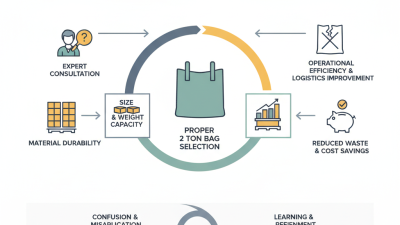
Choosing the right super sack bags can significantly affect your operations. Industry expert John Smith once said, “The right bag can save costs and improve efficiency.” This highlights the importance of making an informed choice.
Super sack bags come in various sizes and materials. You must consider the specifics of your materials. A bag that works for one product might not suit another. Different industries often have unique requirements. Missteps in selection can lead to waste and inefficiency.
Think about your packing processes. Will the bags fit your machinery? Assessing compatibility is crucial. Many users overlook this step. The wrong decision could disrupt operations. Carefully consider your needs. Each choice impacts your bottom line. Making informed selections in super sack bags can yield long-term benefits.
Understanding Super Sack Bags and Their Uses
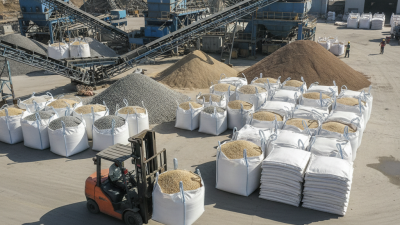
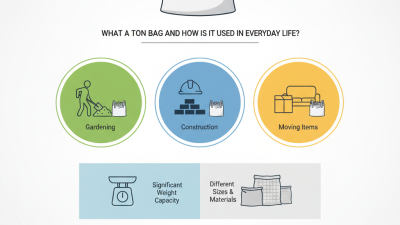
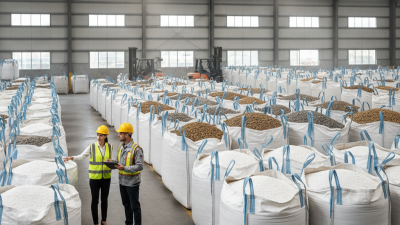
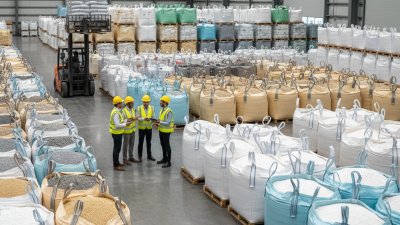
Super sack bags, also known as bulk bags, are versatile and durable. They play a crucial role across various industries. These bags hold materials like grains, chemicals, and construction supplies. They come in different sizes, materials, and capacities. Understanding these features is essential to making the right choice.
Consider the intended use of the super sack bags. For example, a bag for sand needs a different strength than one for food products. The fabric, often woven polypropylene, usually offers good tensile strength. However, some bags may not be suitable for all environments. Bags exposed to ultraviolet rays can degrade over time. It's vital to think about conditions, like moisture. Will the contents be stored away from elements?
Selecting the appropriate type also requires careful thought about handling. Some bags come with special lift loops. Others may not have this feature. If you plan to stack the bags, the design will matter. Think about storage space too. Larger bags take up more room, while smaller ones are easier to maneuver. Balancing size and capacity with your available space is crucial. Consider these elements carefully, as mistakes can lead to waste.
10 Essential Tips for Choosing the Right Super Sack Bags for Your Needs
Key Factors to Consider When Choosing Super Sack Bags
Choosing the right super sack bags is crucial for effective storage and transport. There are several key factors to consider. First, the material of the bag plays a significant role. You can choose from woven polypropylene, cotton, or even nylon. Each has its benefits and drawbacks. Woven polypropylene is durable but may not be suitable for all contents.
Another important consideration is the size and capacity. Super sacks come in various sizes, ranging from 500 to 4,000 pounds. Think about your specific needs. A bag that's too small will force you to use multiple sacks, which can be impractical. Conversely, a bag that's too large might result in wasted space.
The closure type is also essential. Some bags have a spout for easy filling and emptying, while others may feature a top skirt. Choose based on your handling and transportation methods. Reflect on your choices. Are you prioritizing cost over quality? Sometimes, the cheaper option may not be the best in the long run. Balancing your needs with the right features takes time and careful thought.
Material Selection: How It Affects Durability and Performance
When selecting super sack bags, material choice plays a crucial role in their durability and performance. Synthetic materials like polypropylene are popular due to their strength and resistance to wear. However, not all polypropylene is created equally. Some may break down under extreme temperatures or harsh conditions. It’s important to assess the conditions the bags will face. Are they for indoor use or outdoor exposure? The right material can make a difference.
Consider the weight of the materials you'll store. Lightweight materials may be more cost-effective but can limit the bag's load capacity. Reinforced fabric options offer better support and longevity. This is especially true for heavy-duty applications. Always test the material if possible. Small punctures can lead to larger failures.
Tip: Think about additional features, like UV resistance. Some bags are treated for added protection. This can be vital for items exposed to sunlight. Look for options that not only serve the purpose but also withstand environmental factors. Ensure you’re making an informed decision for your specific needs. Remember, choosing the right bag is more than just picking a size. It’s about investing in quality and reliability.
10 Essential Tips for Choosing the Right Super Sack Bags for Your Needs
| Material Type |
Durability Rating |
Load Capacity (lbs) |
UV Resistance |
Water Resistance |
| Polypropylene |
High |
2000 |
Yes |
Moderate |
| Cotton |
Medium |
1500 |
No |
Low |
| Mesh |
Low |
1000 |
Yes |
No |
| Conductive |
High |
2500 |
Yes |
Moderate |
| Anti-static |
Medium |
1800 |
Yes |
High |
Capacity and Size: Finding the Perfect Fit for Your Needs
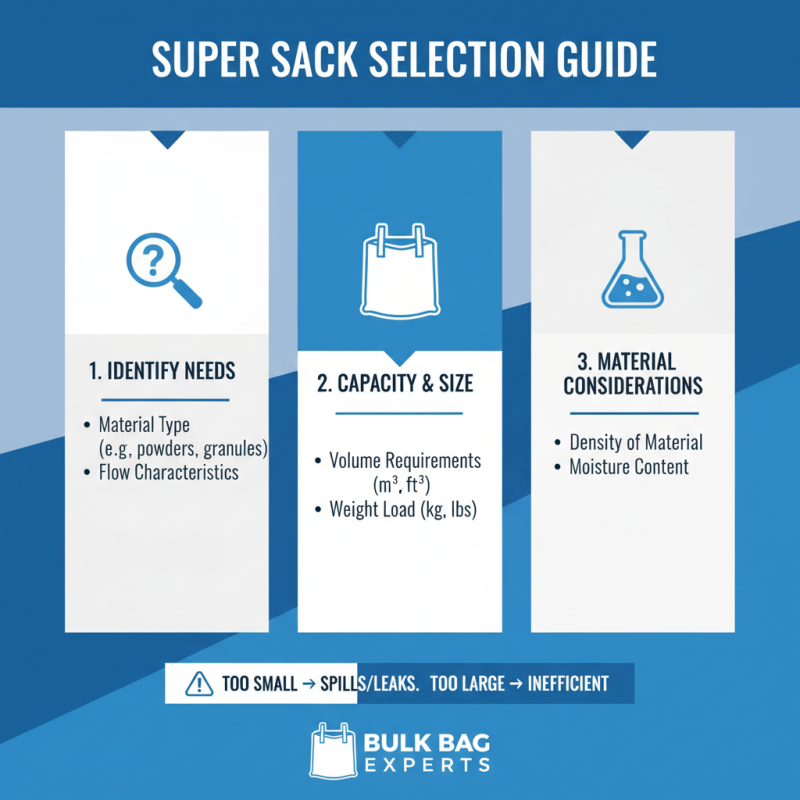
When selecting super sack bags, capacity and size are vital factors. Identifying your specific needs is essential. For instance, consider the materials you will store. Different materials require different bag sizes. A bag that is too small can cause leaks or spills. Conversely, an overly large bag might waste space and lead to inefficiencies.
Measuring your storage area is equally important. Take accurate dimensions to avoid costly miscalculations. A bag that fits well will not only save you space but also enhance handling. Think about the weight of the contents, too. Heavier materials need sturdier bags. Always ensure the selected size matches your load requirements. Smaller bags can be tempting but may lead to challenges later.
Reflect on your past experiences with bag choices. Have you ever faced issues due to poor sizing? Learning from those instances can guide future selections. It’s also wise to consider the bag's shape. Rectangular bags can fit snugly into more vertical spaces. However, if your storage area is tight, a different shape may be necessary.
Cost-Effectiveness: Balancing Quality and Budget in Your Selection
When selecting super sack bags, balancing cost and quality is crucial. Many companies overlook the importance of durability and strength, opting for the cheapest option. However, a recent industry report states that 30% of businesses suffer losses due to inferior bags that fail in transit. This can lead to damaged goods and costly replacements, undermining overall savings.
Investing in high-quality bags may seem expensive upfront. A survey found that businesses that use reliable packaging see a 25% increase in customer satisfaction. Moreover, evaluating the total cost of ownership can reveal hidden expenses in frequent replacements. Choosing the right material also plays a role. For instance, polypropylene material, while slightly costlier, offers better resistance to wear and tear, ultimately saving money.
It's essential to assess your specific needs. While a low-cost option might fit a tight budget, it can lead to issues down the line. Finding that balance requires insight and sometimes painful decisions. Proper research is vital. Trying to cut costs might seem tempting, but it can lead to greater expenses over time. A careful choice in super sack bags is more than just a purchase; it's a step towards operational efficiency.