10 Tips for Choosing Wastewater Equipment?
Choosing Wastewater Equipment is rarely a simple matter of comparing prices and flow ratings. A treatment system must fit the wastewater itself, the site, and the people operating it. Influent temperature, suspended solids, pH, peak flow, and discharge requirements can change the right decision completely.
A practical evaluation begins with reliable data. Collect samples during different production periods, not only during quiet hours. Review laboratory results with a qualified wastewater engineer or experienced supplier. Ask how pumps handle abrasive particles, how screens resist clogging, and whether aeration blowers can maintain oxygen during peak loading. Small details matter. A poorly placed access door can turn routine maintenance into a difficult afternoon.
Look beyond the brochure. Check verified performance records, energy consumption, spare-parts availability, and local service capability. A technically impressive unit may become a liability if operators cannot repair it promptly. Safety features, noise levels, corrosion resistance, and control-system simplicity also deserve attention. Standards and permits vary by location, so confirm requirements with the responsible authority before purchasing.
No checklist is perfect. Initial assumptions may prove wrong after seasonal testing or commissioning. Build room for adjustment, operator feedback, and future capacity. The ten tips in this guide connect practical experience with engineering judgment, helping teams compare equipment more carefully and avoid expensive surprises. Good selection is not about choosing the largest machine. It is about choosing dependable performance for real wastewater conditions.
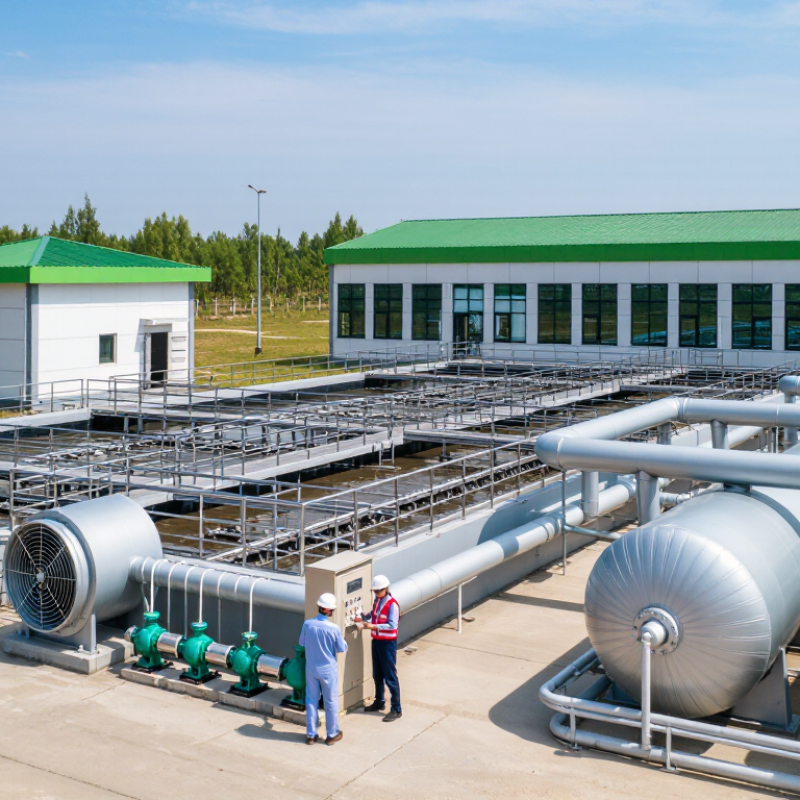
Wastewater Equipment Basics: Size for Average and Peak Flow, BOD, and TSS
10 Tips for Choosing Wastewater Equipment
Wastewater Equipment Basics: Size for Average and Peak Flow, BOD, and TSS
Choosing wastewater equipment starts with measured loading, not a catalog capacity. Record average daily flow and peak hourly flow from several representative operating days. Seasonal tourism, production changes, infiltration, and storm events can distort a simple average. Peak flow controls hydraulic sizing, while average flow affects retention time and energy demand. Leave room for unusual surges, but avoid excessive oversizing. Huge tanks can reduce mixing and create stale zones. In field assessments, I compare flow-meter records with pump cycles and operator logs. The numbers often disagree. That disagreement deserves investigation.
BOD and TSS are equally important. Collect time-weighted samples when possible, and test during normal and high-load periods. BOD indicates biodegradable organic strength; TSS shows the solids burden entering separation and biological stages. A single laboratory result may hide shift changes or short, heavy discharges. Use design concentrations, daily mass loads, temperature, pH, and expected variability. Calculate loads with flow and concentration, rather than relying on concentration alone. Ask whether screening, equalization, clarification, aeration, dewatering, and controls match those loads. Check maintenance access, spare capacity, corrosion resistance, and safe sampling points before purchase. I have seen equipment selected from optimistic data. It looked efficient on paper. Later, clogged screens and unstable settling exposed weak assumptions. Recheck every assumption with operators.
Pretreatment Choices: Compare 6 mm Screens, Grit Removal, and Headloss
10 Tips for Choosing Wastewater Equipment
Tip 1: Start with the actual flow range, not the average daily flow. Peak inflow can quickly overwhelm undersized pretreatment equipment. Tip 2: A 6 mm screen removes larger debris, including rags, plastics, and packaging fragments. It does not replace grit removal. Tip 3: Check the screen opening carefully. Smaller openings improve capture but usually increase cleaning demand and headloss.
Tip 4: Measure upstream and downstream levels during peak conditions. Headloss is not a minor detail. Tip 5: Ask for headloss data at clean and partially blinded conditions. Tip 6: Select grit removal when sand, glass, or fine mineral particles reach the plant. These materials can wear pumps and reduce tank capacity. Tip 7: Match grit equipment to particle size, settling behavior, and hydraulic loading. Site testing is often more useful than a brochure.
Tip 8: Leave safe access for inspection and maintenance. Operators need clear space around screens, channels, and wash systems. Tip 9: Consider bypass arrangements, alarms, and emergency storage before installation. I have seen good equipment perform poorly because upstream levels were ignored. Tip 10: Recheck assumptions after several months of operation. Actual debris patterns may differ from design samples. A 6 mm screen may be suitable, yet excessive headloss can still restrict flow. Grit removal may be essential, but poor calibration can carry grit forward. Document these findings, even when the original choice needs revision.
Biological Systems: Assess SRT, F/M Ratio, and 2 mg/L Dissolved Oxygen
Biological systems need equipment selected around process control, not catalog capacity. Start by estimating solids retention time (SRT) from the required treatment goal. Nitrifying systems often need a longer SRT than carbon-removal systems, especially during cold weather. Confirm the calculation with wastewater temperature, sludge production, and settling data. A neat spreadsheet can still hide weak assumptions.
Tip: Choose wasting pumps that allow small, repeatable adjustments. Sudden sludge removal can destabilize the reactor. Check clarifier loading, return activated sludge capacity, and access for sampling. I have seen operators chase poor settling when the real problem was inconsistent wasting. The equipment was adequate. The control routine was not.
Food-to-microorganism ratio, or F/M, should guide aeration and biomass decisions. Use measured influent load and mixed liquor concentration rather than design estimates alone. Keep dissolved oxygen near 2 mg/L in aerobic zones when that target suits the process. It is not a universal setting. Oxygen demand changes with flow, ammonia, temperature, and mixing.
Select blowers with turndown capacity, responsive controls, and reliable DO probes. Place sensors away from bubble clusters and dead zones. Verify readings with a handheld meter. Even experienced teams can trust a drifting probe too long.
Tip: Review trends, not one afternoon’s number. Compare DO, ammonia, MLSS, SRT, and energy use together. Test the system during low flow and peak loading before final equipment approval. Small gaps matter.
Disinfection Options: Evaluate UV Doses Near 40 mJ/cm² and Chlorine CT
10 Tips for Choosing Wastewater Equipment
Disinfection equipment should be selected from measured water conditions, not brochure promises. For UV systems, a dose near 40 mJ/cm² can be a useful design reference. It is not a universal guarantee. Confirm the required dose through validated testing, especially when treating variable wastewater.
Check ultraviolet transmittance, peak flow, suspended solids, and lamp aging. A cloudy sample can reduce UV delivery before operators notice. Inspect quartz sleeves regularly, because a thin mineral film can weaken performance. Keep records of dose alarms and cleaning intervals. Small details matter. I have seen systems pass commissioning tests, then struggle during seasonal flow changes.
Chlorine systems require a different calculation. CT means disinfectant concentration multiplied by contact time. A target residual of 1 mg/L for 30 minutes gives a CT of 30 mg·min/L, before site-specific corrections. Temperature, pH, chlorine demand, mixing, and short-circuiting can change the result. Measure residual at the actual outlet, not only near the dosing point.
Use baffled contact tanks where practical, and verify retention with field testing. A longer tank is not automatically better. Poor mixing can still create untreated paths.
Compare UV and chlorine using operating data, maintenance labor, safety controls, and monitoring needs. The cheapest installation may become the most expensive one to operate.
Lifecycle Selection: Compare Energy Use, 24/7 Reliability, and 15–30% Sludge Solids
Choosing wastewater equipment should begin with its full lifecycle, not its purchase price. Track energy use per cubic meter treated, including pumps, aeration, mixing, and sludge handling. A small efficiency gap can become expensive after thousands of operating hours.
Measure it carefully. Request verified performance data under realistic flow and loading conditions. Equipment must also support 24/7 reliability. Inspect access points, standby capacity, alarm functions, wear components, and cleaning requirements. A system that performs well in a laboratory may struggle during rain events, temperature changes, or sudden industrial loads. Operators need practical controls, clear maintenance procedures, and parts that can be replaced without extended shutdowns.
Sludge performance deserves equal attention. Many facilities target 15–30% solids after dewatering, but the result depends on feed characteristics, polymer control, pressure, and operator skill. Ask for test results using representative sludge, not ideal samples. Confirm the expected cake moisture, throughput, and energy demand together. My early equipment selections focused too heavily on rated capacity. That was a mistake. Real performance often falls when solids vary or maintenance is delayed. Build a lifecycle model covering electricity, labor, consumables, disposal, and planned replacement. Keep a risk allowance. Field conditions are rarely as clean as the specification sheet.