What is a Ton Bag and How is it Used in Everyday Life?
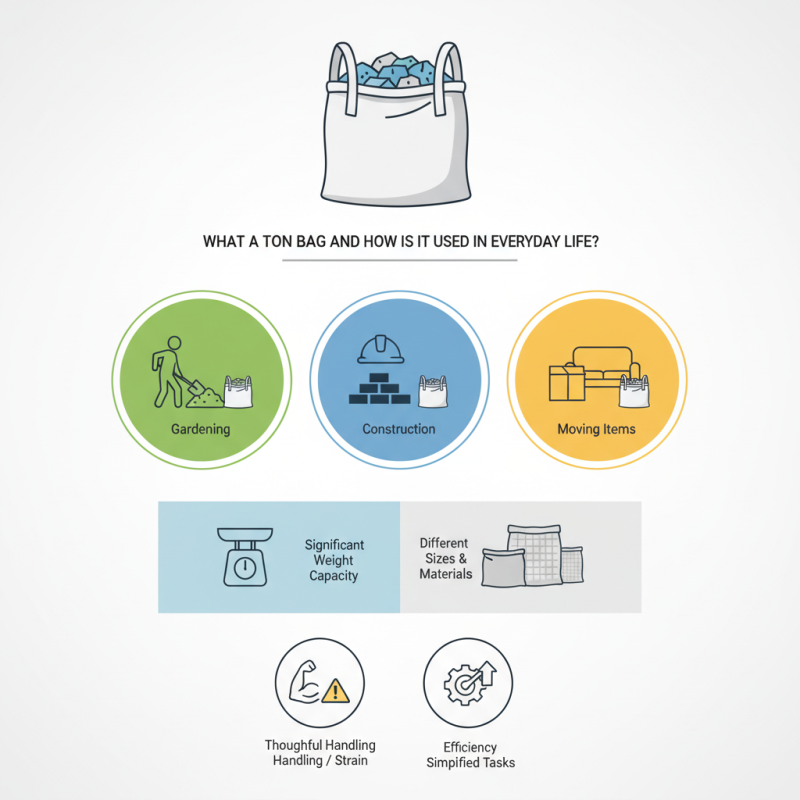
Ton bags are large and versatile containers used in various daily activities. These bags can hold a significant amount of weight, making them perfect for construction, gardening, and moving items. With their sturdy design, ton bags are a reliable choice for many tasks. They come in different sizes and materials, catering to diverse needs.
In everyday life, people often overlook how practical ton bags can be. For instance, gardeners may use them to transport soil or mulch. Meanwhile, construction workers rely on ton bags to carry heavy materials. Despite their usefulness, some might find them cumbersome. It's essential to reflect on the best ways to utilize ton bags without causing strain.
Understanding ton bags opens a window to appreciating their role in efficiency. They simplify tasks but require thoughtful handling. Their uneven weight distribution can lead to challenges. Yet, by recognizing these factors, we can learn to use them more effectively in our routines.
What is a Ton Bag? Definition and Basic Characteristics
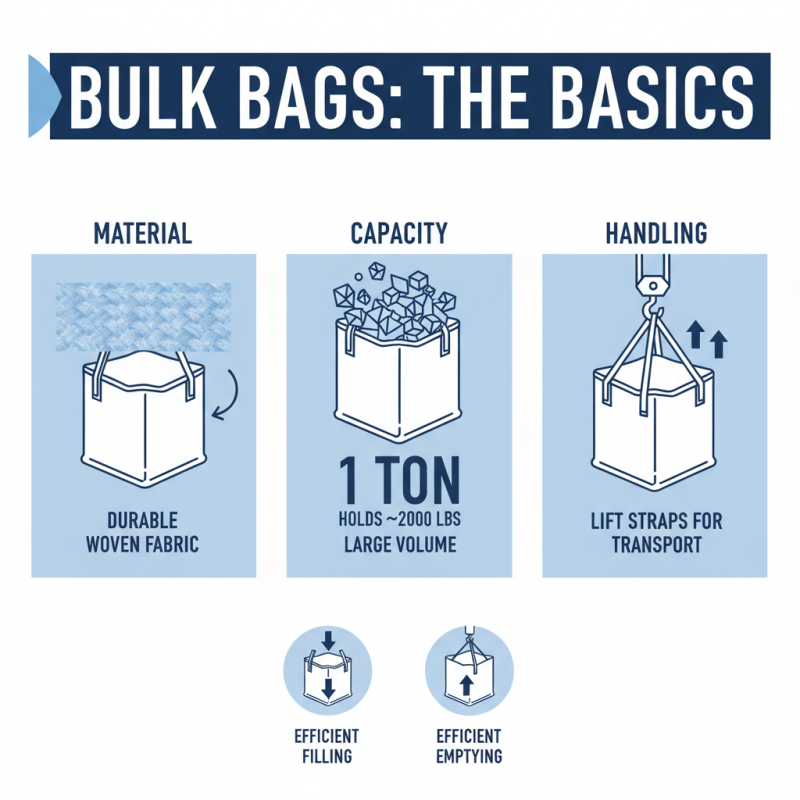
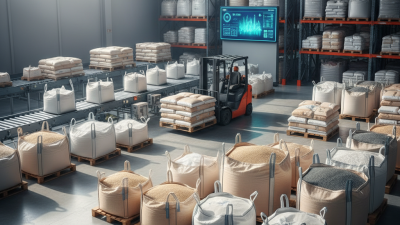
A ton bag, often known as a bulk bag, is a versatile container made from durable woven fabric. It usually holds a ton of materials, hence the name. These bags are designed with strong straps for easy lifting and transportation. They are generally open at the top and closed at the bottom. This structure allows for efficient filling and empting.
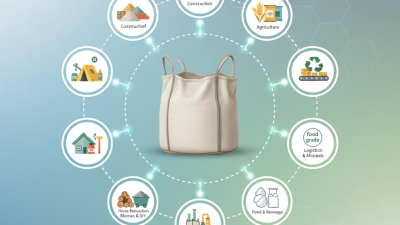
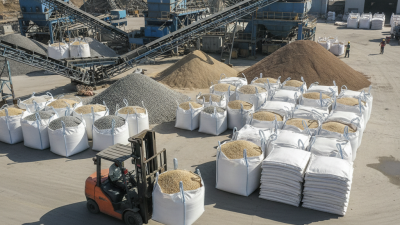
Commonly used in construction, agriculture, and gardening, ton bags are essential for shipping heavy loads. They can store sand, gravel, soil, and other materials. Imagine a construction site where workers use these bags to move materials quickly. The bags are strong yet lightweight, making them suitable for various tasks. However, improper handling can lead to spillage. That’s a mistake many make.
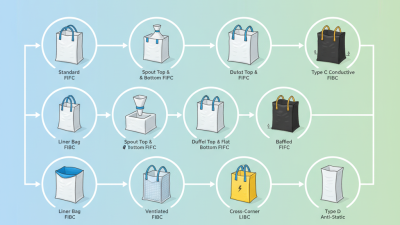
Ton bags come in different sizes and strengths. Some are more robust than others, depending on what they are meant to hold. Overloading a bag can cause it to tear, leading to waste. When using ton bags, one must consider the weight limit carefully. It's crucial to remember how much you can safely lift and carry. Misjudgments can lead to frustration and mishaps on the job.
Historical Development of Ton Bags in Various Industries
Ton bags have a rich history across various industries. Originally used in agriculture, these bags became essential for transporting bulk materials like grains. Farmers found them practical for their durability and capacity. Over time, construction adopted ton bags for transporting sand and gravel. Their strong fabric withstands heavy loads, making them reliable for hard labor.
In recent years, ton bags have expanded their role beyond traditional uses. They are now common in the beverage and food industries. Companies use them to store ingredients and even final products. This shift shows their versatility. However, the environmental impact of single-use ton bags is a concern. Many organizations are rethinking how to use such materials sustainably. The challenge of waste management remains significant in various sectors. As industries continue to evolve, so must their approach to ton bags.
Common Materials Used in Ton Bag Manufacturing and Their Benefits
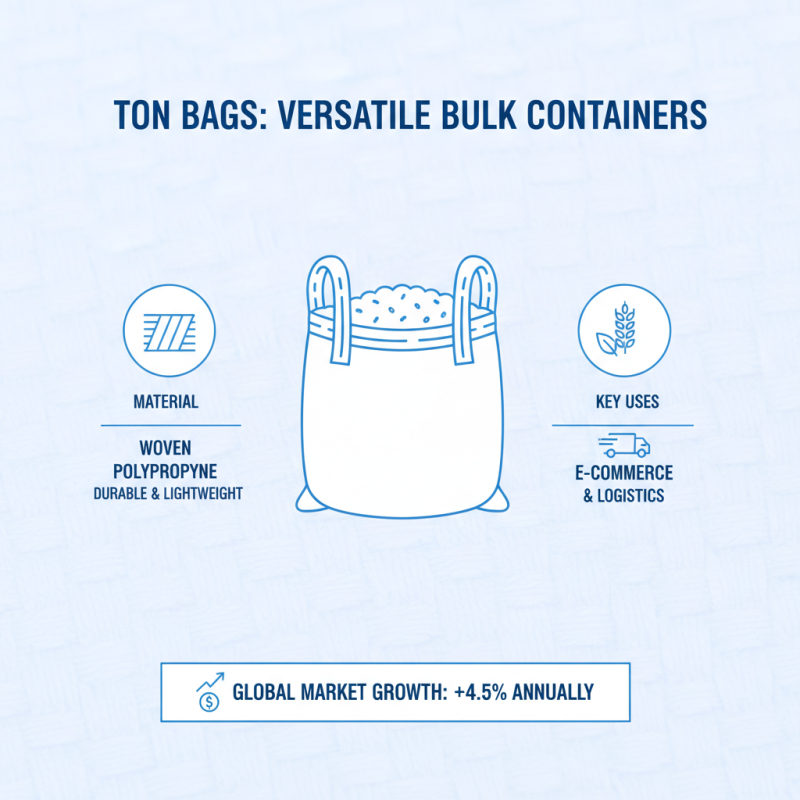
Ton bags, also known as bulk bags or FIBCs, are versatile containers used across various industries. They are primarily manufactured from woven polypropylene. This material is durable and lightweight, ensuring that the bags can hold substantial weight without compromising integrity. It's reported that the global ton bag market is expected to grow by 4.5% annually, indicating a strong demand driven by e-commerce and agricultural sectors.
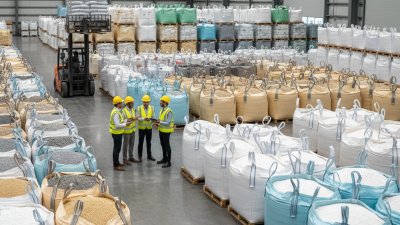
In construction, ton bags are favored for transporting aggregates and sand. Their ability to be stacked and moved easily makes them essential for any building project. Similarly, the food industry utilizes ton bags for bulk items like grains. The material’s resistance to moisture and pests helps maintain the quality of the stored products, making them a popular choice for suppliers.
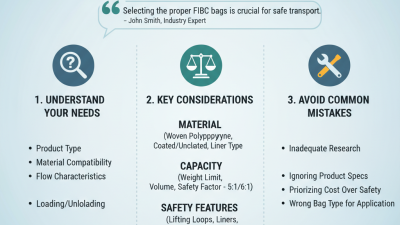
**Tip:** When selecting a ton bag, consider the specific material required for your product. Some materials are better suited for certain applications, especially in terms of safety and storage.
Recycling ton bags poses challenges. Although they're made of recyclable materials, the process is not always straightforward. Many bags end up in landfills, which is not ideal for the environment. Having a plan for proper disposal or recycling can lead to better sustainability practices.
**Tip:** Always check local recycling guidelines before disposing of ton bags, as policies can vary significantly.
Typical Applications of Ton Bags in Construction and Agriculture
Ton bags, also known as bulk bags, are versatile tools often used in various industries. In construction and agriculture, they serve specific purposes. These bags are designed to hold and transport large quantities of materials. They can carry sand, gravel, soil, and even agricultural products like grains and fertilizers.
In construction, ton bags help streamline operations. Workers fill them with building materials for easy transport. When dealing with heavy materials, ton bags ensure safety and efficiency. It is crucial, however, to ensure that the bags are loaded properly. Overloading can lead to breakage and accidents. Some bags may not last long in harsh weather, raising concerns about durability.
In agriculture, ton bags offer practical solutions for storage and transportation. Farmers can use them for storing crops after harvest. The bags can protect grains from pests and moisture. They are beneficial, but sometimes they can be bulky and difficult to handle. Proper training is essential to avoid injuries while moving them. The versatility of ton bags continues to make them a staple in these fields, but there is always room for improvement in design and usability.
What is a Ton Bag and How is it Used in Everyday Life?
| Application Area |
Description |
Typical Load Capacity |
Common Uses |
| Construction |
Used for transporting bulk materials like gravel, sand, and demolition waste. |
1 to 2 tons |
Material handling, waste disposal |
| Agriculture |
Used for storing and transporting agricultural products like grains, seeds, and fertilizers. |
Up to 1.5 tons |
Seed storage, fertilizer transport |
| Recycling |
Ideal for collecting and transporting recyclable materials, including plastic, metal, and paper. |
1 ton |
Recycling collection, depot storage |
| Landscaping |
Used to carry soil, mulch, and other landscaping materials. |
0.5 to 1 ton |
Soil transport, mulch delivery |
| Food Industry |
Helpful for transporting bulk food items like grains and beans. |
Up to 1 ton |
Storage, transport of bulk foods |
Market Trends and Statistics for Ton Bags Usage Worldwide
Ton bags, also known as bulk bags, are increasingly popular in various industries. A significant number of businesses utilize them for transporting various materials. Hence, the demand for ton bags has surged globally. Market analysis indicates that construction, agriculture, and recycling sectors top the list for ton bag usage. These bags can hold a variety of materials, from sand and gravel to fertilizers.
Statistics show a steady rise in ton bag sales. In some regions, the annual growth rate exceeds 5%. This trend aligns with global movements towards more sustainable packaging. Reducing waste is essential now more than ever. Surprisingly, there are still many businesses unaware of the benefits of ton bags. Some choose traditional packaging, which may lead to inefficiencies. This lack of awareness can hinder progress toward more eco-friendly practices.
Ton bags are versatile but not without flaws. Improper handling can lead to spills or damage. Many workers still lack training on effective use and storage. Investing in proper training could change this. More research can enhance the design and materials used in ton bags. Addressing these issues could lead to a more efficient and sustainable future for their usage.