Choosing a gaylord shipping box manufacturer in China takes more than comparing prices. Buyers must weigh board strength, dimensions, stitching or adhesive quality, printing options, and export packing. A box may look sturdy on a clean warehouse floor, yet soften after a damp journey. Details matter.
Packaging specialist Evan Cole captures the core test: “A strong box is one designed for the load it actually carries.” That is a useful principle for comparing China’s leading suppliers. Ask whether a manufacturer can explain its material grades, confirm inside and outside dimensions, and provide samples for practical handling tests. Check how clearly it communicates production capacity, customization, lead times, and quality checks. A polished website is not proof of consistent factory performance.
This guide introduces ten China-based manufacturers of Gaylord shipping boxes and outlines what buyers may want to examine before requesting a quote. Some suppliers may suit bulk shipments, while others may offer more flexibility for custom sizes or smaller trial orders. No ranking can fit every operation. A buyer shipping dense scrap has different needs from one moving lightweight components, and even sound specifications can miss real warehouse conditions. Treat the list as a starting point, verify claims directly, and compare sample boxes with your actual products. A little skepticism helps.
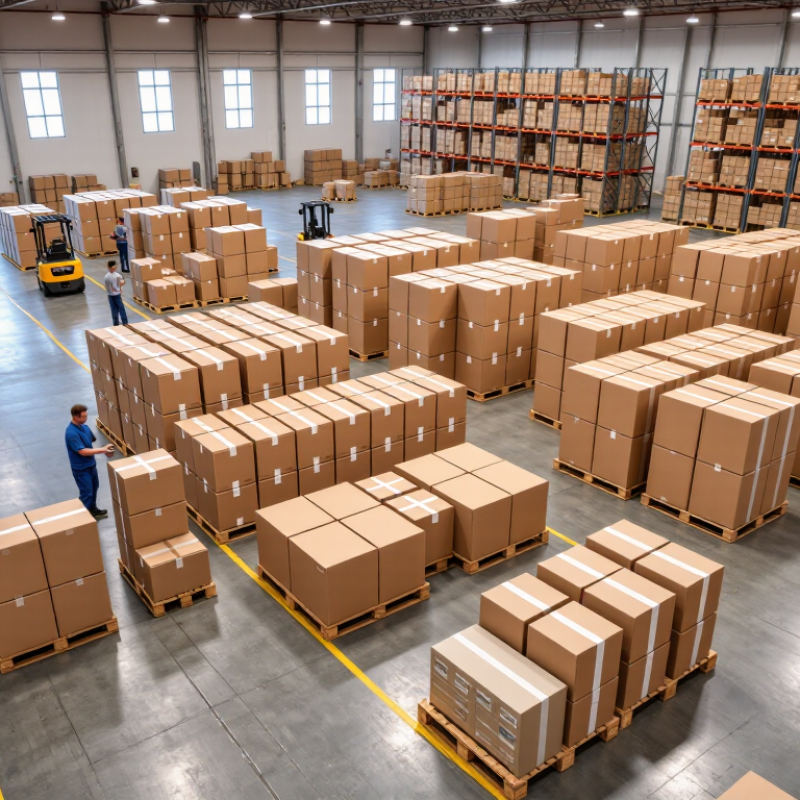
A Gaylord box is not one fixed design. FEFCO styles describe how corrugated board is cut, folded, and joined. For example, style 0201 has standard flaps that meet at the center, while 0202 uses overlapping flaps. The right choice depends on how the box will be filled, closed, and moved. A pallet-sized container holding loose plastic parts may need different access and closure details than one carrying dense metal components. Specify the FEFCO code and finished dimensions; the code alone does not define strength. That distinction matters.
Ply count is another useful starting point, not a complete strength specification. Single-, double-, or triple-wall board describes the layers, but flute type and liner grades also affect performance. Ask for a load rating tied to real conditions, including stacking duration, humidity, and whether contents are evenly distributed. A box tested with a centered load may behave differently when heavy items sit against one corner. Keep some margin. In practice, ratings can be misunderstood, and there is no shame in checking the test method and intended use with the supplier before ordering.

China Top 10 Gaylord Shipping Box Manufacturers
Use ISO 6780 Pallet Dimensions: 1,200 × 1,000 mm and 1,200 × 800 mm
When sourcing a Gaylord shipping box, match its footprint to the pallet’s usable deck area. The 1,200 × 1,000 mm and 1,200 × 800 mm formats are common pallet dimensions covered by ISO 6780. A box’s stated size may describe its interior, not its outer footprint. Check the product drawing before ordering. A few millimeters matter.
Ask manufacturers to confirm external dimensions, board thickness, and how the loaded box sits on each pallet size. Even small overhangs can leave lower edges exposed to impacts or reduce load stability. Consider how forklifts approach the pallet, whether stretch wrap will cover the corners, and how high boxes will be stacked. Measure both. A sample loaded with your actual material can reveal fit issues that a drawing may miss.
Tips: Record pallet dimensions, box external dimensions, and target load weight on the same specification sheet. Check the fit under real warehouse conditions, not just on paper.
This table is a neutral sourcing guide, not a verified ranking of ten companies. Specifications vary by design and supplier; confirm box dimensions, board construction, and performance requirements before ordering. ISO 6780 covers principal dimensions and tolerances for flat pallets, including the two pallet footprints shown below.
| No. | Specification to Compare | Practical Data | What to Confirm with the Supplier |
|---|---|---|---|
| 1 | Large-pallet footprint | 1,200 × 1,000 mm pallet size | Ask for the box’s external footprint and confirm whether it is designed to sit within the pallet edges. |
| 2 | Euro-pallet footprint | 1,200 × 800 mm pallet size | Check box orientation, pallet-deck clearance, and whether the loaded box will overhang the pallet. |
| 3 | Internal box dimensions | Specify length × width × height in millimetres; internal dimensions differ from external dimensions because of board thickness and construction. | State the usable internal volume required and request a dimensioned drawing. |
| 4 | Corrugated-wall construction | Common heavy-duty formats include triple-wall corrugated board; actual strength depends on the paper grades, flute combination, and design. | Request the board specification and test documentation rather than relying on wall-count terminology alone. |
| 5 | Top and bottom closure | Options may include a separate lid, a bottom cap, a pallet cap, or a sleeve-and-cap configuration. | Confirm which components are included and how the box is secured for handling and transport. |
| 6 | Stacking performance | Stacking capacity depends on box design, board condition, load distribution, humidity, and storage duration. | Request an applicable compression-test result and the conditions under which it was measured. |
| 7 | Moisture exposure | Corrugated fibreboard can lose performance when exposed to moisture; coatings or liners may be available for specific environments. | Describe expected humidity, condensation, and storage conditions, and verify any claimed moisture resistance. |
| 8 | Loading and discharge | Access features can include hand holes, perforations, or discharge openings, depending on the intended use. | Confirm opening location, dimensions, and whether the design remains suitable for the intended load. |
| 9 | Printing and identification | Plain kraft surfaces and printed surfaces are common; printed handling marks can support identification and warehouse operations. | Specify artwork, print coverage, label areas, and any required handling or recycling marks. |
| 10 | Sampling and quality checks | A pre-production sample can be checked for dimensions, fit on the selected pallet, assembly, and closure. | Agree on inspection criteria, tolerances, sample approval, and the documents supplied with production orders. |
A useful profile of ten Chinese Gaylord box manufacturers should compare verified production capacity, minimum order quantity, certifications, and export records—not just advertised machine counts. Ask whether monthly capacity refers to one shift or continuous production, and request recent output records. MOQ can change with board grade, dimensions, printing, and tooling; a plain, pallet-sized box may have a lower threshold than a custom printed design. Small details matter: confirm inner dimensions, stacking strength, and whether sample boxes match the quoted specification.
Use independent benchmarks carefully. FEFCO’s European Database reported about 49.5 billion square metres of corrugated board production in Europe in 2022. This shows the scale of the sector, but it is not a measure of Chinese factory output. For trade checks, compare supplier-provided shipment records with UN Comtrade data under HS 481910, covering corrugated paper or paperboard cartons, boxes, and cases. Check certification scope and validity directly; an ISO certificate, for example, does not prove a particular box’s load performance. Export data can also be incomplete or grouped under broader product categories.
Tips: Request a dated capacity sheet, a written MOQ quote, certificate numbers, and redacted shipping records. Verify one recent shipment independently. A polished brochure is not evidence. Some supplier figures may still be hard to compare, so note any gaps rather than treating estimates as confirmed facts.
When comparing Gaylord boxes, do not judge strength by board thickness alone. ISO 3037 measures the edge crush resistance of corrugated board. A prepared sample stands on its edge between compression plates. The test records the force it withstands before crushing. Higher values can help indicate better resistance to vertical stacking loads.
ISO 2759 measures bursting strength. Pressure is applied to a clamped board sample until it ruptures. This result can help assess resistance to punctures and rough handling. It is useful, but it does not predict every failure. A sharp corner or poorly supported load may still damage a box.
Read both results together. A box with strong edge crush performance may suit pallet stacking, while burst strength offers another view of board durability. Ask manufacturers for recent test reports that identify board grade, sample conditioning, and test values. Details matter.
Compare samples made for similar box sizes and uses; otherwise, the numbers may mislead. These tests cannot reproduce every warehouse or transit condition. That limitation deserves attention. A practical trial with the intended product and pallet pattern can reveal weaknesses that laboratory figures miss.
Choosing among gaylord shipping box manufacturers starts with the pallet, not the catalog photo. Measure your pallet deck, forklift entry, and loaded box overhang at the warehouse. A box may look standard but sit unevenly on a 40-by-48-inch pallet. Small mismatch. Big headache. Request internal dimensions, board grade, and bottom construction, then test a sample with a realistic load.
Customization should solve a handling problem, not simply make the box look different. Ask about wall strength, liners, flaps, and printing, and explain what the box will contain and how it will move. Share stacking height and storage conditions too. A supplier’s recommendation is useful, but confirm it with a physical sample or documented specifications. We once assumed a familiar footprint would fit every pallet position. It did not.
Compare lead times by separating production, transit, and any approval period for custom designs. Confirm how dates change for repeat orders and seasonal demand. For total cost, include the box price, freight, minimum order, storage needs, and potential losses from damaged or poorly fitting loads. Request a written quote with quantities and specifications clearly stated. The lowest unit price can become expensive when dimensions force inefficient pallet use or extra handling. Ask what happens if the delivered boxes differ from the approved sample.
Copyright 2025 © Custom Packaging Products | All Rights Reserved