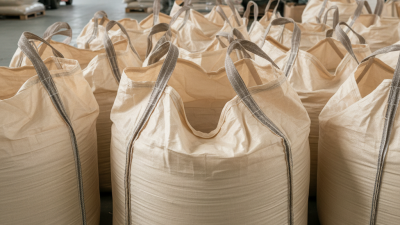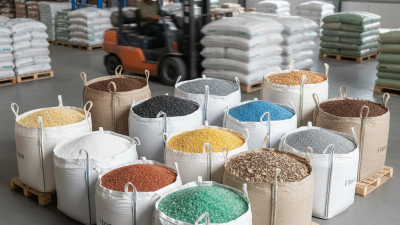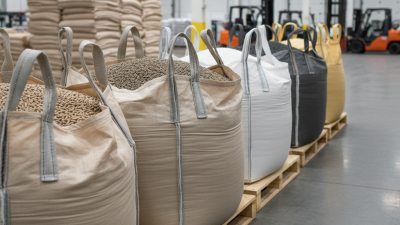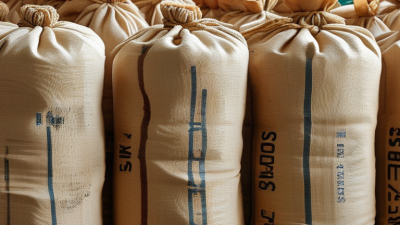
When dealing with various types of materials, having the right storage solution is essential. Scrap jumbo bags have gained popularity for their sturdy design and versatility. These bags can hold large volumes of scrap materials, making them ideal for industrial and recycling applications. They come in different sizes and styles, catering to diverse needs.
Selecting the right scrap jumbo bags can be overwhelming. Many factors come into play, like bag capacity, durability, and material type. A well-designed bag helps ensure safe handling and easy transportation of scrap materials. Additionally, opting for high-quality jumbo bags can reduce costs in the long run.
Understanding the features and specifications of scrap jumbo bags is crucial. Whether you manage a construction site or a recycling facility, knowing what to look for can enhance your efficiency. Choosing wisely not only improves operations but also promotes sustainable practices. Scrutinizing options helps ensure that you invest in the best products available.

When selecting jumbo bags for scrap materials, it’s essential to consider several key features. First, the capacity of the bag should match your needs. Typical sizes range from 500 to 3000 liters. This variety allows for flexibility in handling different amounts of scrap. Ensure the bag can handle the weight of the material you plan to store. Some bags are reinforced for heavy-duty use, while others are more suitable for lighter items.
Another aspect to think about is the material used for the bags. High-density polyethylene (HDPE) and polypropylene (PP) are common choices. These materials offer durability and resistance to tearing. However, not all bags are created equal. Take time to examine the seams and stitching. Poorly constructed seams can lead to failures during transport.
Also, consider the bag's handling features. Some bags come with lifting loops, which make them easier to move. Others have a bottom discharge to expedite unloading. These details can significantly affect usability. Reflect on how you will use the bags in your operation. Over time, you might find that some features are more beneficial than you initially realized.
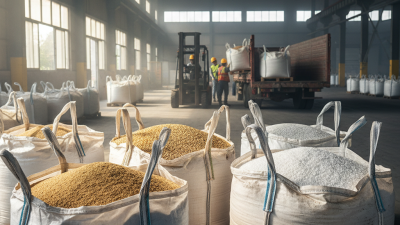
When selecting jumbo bags for scrap storage, understanding the types available is essential. Different materials and designs cater to specific needs in the scrap industry. For instance, woven polypropylene bags are popular due to their strength and durability. According to industry reports, these bags can hold up to 2,000 pounds, making them suitable for heavy scrap materials like metal or construction debris.
Another option is the clear jumbo bag, which allows for easy inspection of contents without the need to open the bag. This feature enhances logging and sorting processes, critical in managing scrap effectively. Research from packaging experts indicates that clear bags can lead to a 30% increase in operational efficiency, as workers can quickly identify and retrieve materials.
However, not all bags are created equal. Some bags may wear out quicker under heavy loads, leading to leaks and mishaps. Users must consider the bag’s UV resistance and moisture barrier properties, especially if stored outdoors. Feedback from industry professionals often highlights the need for better quality control in bag manufacturing. Proper selection may reduce waste and ensure that the waste management process is reliably efficient.
Choosing the right jumbo bag for scrap materials is crucial for efficiency. Start by assessing the size and weight of the materials you typically handle. Jumbo bags come in various sizes, so it’s essential to select one that matches your needs. Consider the type of scrap you’re managing; different materials may require different bag strengths.
For durability, opt for bags made from robust materials like woven polypropylene. These bags can handle heavy loads without tearing. Pay attention to the bag’s design as well. Features like reinforced seams and strong lift loops can significantly impact usability.
Another important factor is the bag’s capacity. Choosing a bag that’s too small could lead to overflow and mess. On the other hand, an oversized bag may lead to unnecessary costs. Keep in mind that you may need to adjust your choice based on different projects. Reflect on previous experiences with bag failures or problems. Learning from these situations can help ensure better choices in the future.
When managing scrap materials, jumbo bags can be an invaluable tool. These bags provide a sturdy and efficient way to contain various types of scrap, from metal shavings to plastic waste. Selecting the right jumbo bag is crucial. Consider the weight capacity and size based on your specific needs. If the bag is too small, it could lead to overloading and potential failures. Weight distribution is key to ensuring safe handling.
Proper usage of jumbo bags demands attention to detail. Always inspect bags for signs of wear or damage before use. It is wise to not overload them beyond their recommended capacity. Overstuffed bags can tear or break, creating more waste. Position the bags in a clean, dry area whenever possible. This minimizes the risk of contamination and prolongs the bag's lifespan.
Training staff on the correct handling of these bags is essential. Workers should understand how to lift and transport them safely. Regular feedback on their use can help identify areas for improvement. Reflecting on past experiences can enhance safety and efficiency in scrap management. Proper maintenance and careful usage of jumbo bags ensures they serve their purpose effectively.
Jumbo bags are a popular option for transporting scrap materials. However, their environmental impact raises important questions. These bags, often made from woven polypropylene, are durable and convenient. Yet, when not disposed of properly, they contribute to plastic waste. It's crucial to consider recycling options when using jumbo bags. Many facilities accept used bags, turning them into new products.
Recycling jumbo bags benefits the environment. It reduces landfill waste and lowers the demand for virgin materials. Responsible disposal practices are essential. Some companies offer take-back programs, promoting circular economy principles. Nonetheless, awareness about these options is lacking. Many people still throw these bags away, oblivious to their potential for reuse.
For a more sustainable approach, inspect every bag closely. Look for signs of wear or damage that affect recyclability. Educate others in your community about proper disposal methods. Each step can contribute to reducing the environmental burden. Despite efforts, there is much room for improvement in how jumbo bags are handled after use. Collaboration between consumers and businesses can enhance responsibility in the lifecycle of these bags.
| Jumbo Bag Type | Material | Capacity (kg) | Weight (g) | Recyclable | Environmental Impact |
|---|---|---|---|---|---|
| Standard Jumbo Bag | PP (Polypropylene) | 1000 | 120 | Yes | Low; recyclable in many facilities |
| Webbing Jumbo Bag | PE (Polyethylene) | 1500 | 150 | Yes | Moderate; recyclable but often ends up in landfills |
| Anti-UV Jumbo Bag | PP with UV Stabilizers | 1200 | 130 | Yes | Low; environmentally friendly due to longer lifespan |
| Conductive Jumbo Bag | Specialized PE/PP Blend | 1000 | 140 | Yes | Moderate; designed for specific applications |
| Custom Printed Jumbo Bag | PP | 1100 | 125 | Yes | Low; can be recycled with proper facilities |
Copyright 2025 © Custom Packaging Products | All Rights Reserved