Top 10 Types of Manufacturing Bags for Global Buyers
Selecting the right packaging can influence product safety, handling efficiency, and total delivery cost. For global buyers, manufacturing bags must match the product, equipment, climate, and shipping route. A bag that performs well in a dry warehouse may fail during a humid ocean journey. Cost matters, but it should not lead the decision alone.
This guide explores ten practical types of manufacturing bags, including woven polypropylene sacks, FIBCs, paper bags, valve sacks, and laminated formats. Each type offers different strengths in load capacity, moisture protection, closure design, print quality, and storage performance. From our sourcing experience, small details often create major results. Seam quality, liner fit, pallet stability, and accurate dimensions can affect an entire shipment. They deserve careful attention.
Reliable purchasing also requires more than comparing unit prices. Buyers should review product specifications, material declarations, test reports, factory quality controls, and production samples. Relevant packaging standards and destination-market requirements should be checked before approval. Clear communication helps prevent misunderstandings about tolerances, printing colors, and delivery schedules. No single bag suits every application. Some recommendations may change after real testing, especially when products behave differently under heat, pressure, or moisture. That uncertainty is worth admitting. Use this overview as a practical starting point, then confirm performance through documented samples and controlled trials. The goal is simple: choose packaging that protects goods, supports efficient operations, and remains dependable across international supply chains.
How Manufacturing Bags Are Classified by Use, Material, and Design
Top 10 Types of Manufacturing Bags for Global Buyers
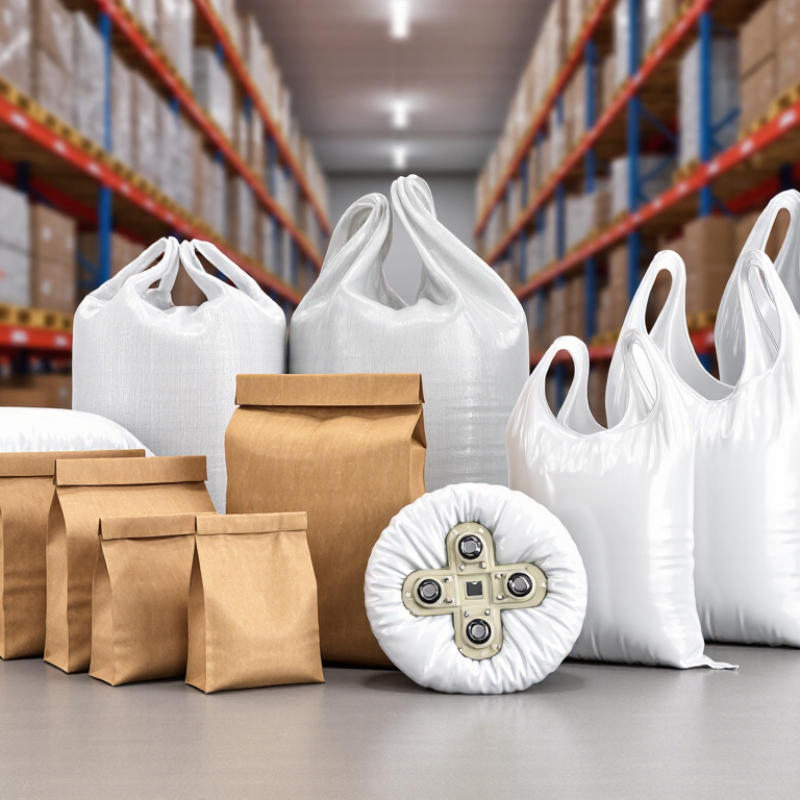
Manufacturing bags are best classified by use, material, and design. In factory sourcing work, buyers often compare shopping bags, produce bags, garment bags, laundry bags, and tool bags. Each serves a different handling need.
Shopping bags suit retail transport. Produce bags need breathable surfaces and clean seams. Garment bags protect folded or hanging clothing.
Laundry bags require stronger stitching. Tool bags need reinforced handles and stable bases.
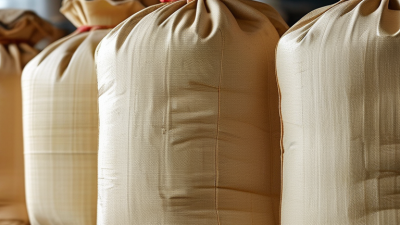
Industrial buyers also select woven sacks, bulk bags, paper bags, nonwoven bags, and reusable cotton bags.
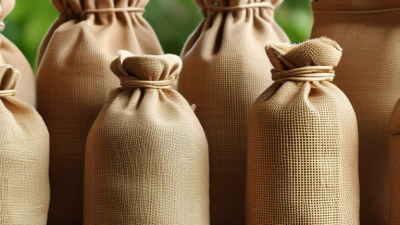
Woven polypropylene handles heavy contents, such as grains or construction materials. Bulk bags move large volumes with lifting loops. Paper bags support dry goods and allow clear printing. Nonwoven bags are lightweight and economical. Cotton bags feel durable, but their moisture resistance is limited. That detail is easy to overlook.
Design changes performance.
Gussets increase capacity without making the bag excessively wide. Drawstrings improve quick access. Zippers offer better closure but may raise inspection costs. Laminated surfaces resist moisture, while heat-sealed seams reduce leakage risks.
I recommend checking handle load tests, seam strength, odor, and colorfastness before approval. A sample can look excellent and still fail after repeated use. Measurements also need tolerance ranges, not only ideal dimensions.
Some buyers focus too heavily on appearance. In practice, stacking, warehouse humidity, and transport distance can matter more. A stronger bag is not always the better choice. It may use more material, cost more, and create disposal challenges.
Bulk Packaging Bags for Heavy Industrial Materials
Top 10 Types of Manufacturing Bags for Global Buyers
Bulk Packaging Bags for Heavy Industrial Materials
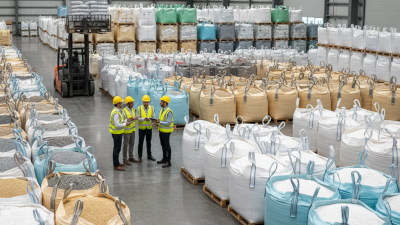
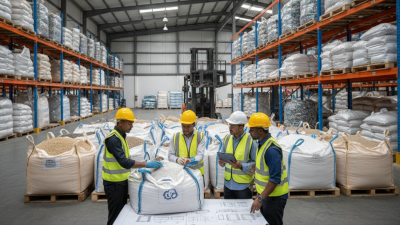
Global buyers need packaging bags that handle weight, movement, and changing warehouse conditions. Heavy industrial materials often include cement, minerals, grain, polymers, and dry construction mixtures. Common choices include woven polypropylene sacks, flexible intermediate bulk containers, valve bags, open-mouth sacks, kraft paper bags, laminated woven bags, gusseted bags, liner bags, moisture-barrier bags, and discharge-spout bulk bags. Each type serves a different filling, stacking, or unloading requirement.
Woven polypropylene bags offer strong tear resistance and practical handling. Flexible bulk containers can carry larger loads with fewer individual units. Valve bags support fast, clean filling on automated lines. Paper bags provide stiffness but may need protective layers in damp storage. Inner liners help protect powders from moisture and contamination. Size, seam strength, lifting loops, and safe working load should match the material and transport route. A bag that works well indoors may fail after several humid port transfers.
Tips: Request samples before placing a large order. Test filled bags on pallets, not empty tables. Check drop performance, stitching, and discharge access. Confirm printed handling instructions and destination requirements. Small details matter.
Manufacturers should provide clear specifications, inspection records, and realistic load data. Buyers should also review production consistency, packaging cleanliness, and traceability. No design is perfect. A slightly stronger seam may be worth more than a cheaper fabric.
Protective and Handling Bags for Components and Finished Goods
Top 10 Types of Manufacturing Bags for Global Buyers
Protective and Handling Bags for Components and Finished Goods
Manufacturing bags protect parts during storage, production, and international transport. The correct design reduces scratches, dust, moisture, static, and handling damage. Ten useful types include anti-static, conductive, moisture-barrier, VCI, cleanroom, woven polypropylene, FIBC, cushioned, returnable, and tamper-evident bags. Each type serves a different handling risk.
Anti-static bags protect electronic components from electrostatic discharge. Moisture-barrier bags combine low permeability with desiccant protection. VCI bags help limit corrosion on metal parts. Cleanroom bags support controlled assembly areas. Cushioned bags protect painted surfaces and fragile edges. Woven and FIBC bags handle bulk components or heavy finished goods. Returnable bags can reduce repeated packaging waste, but only with proper inspection. A damaged seam can defeat an excellent material.
Smithers’ 2024 flexible packaging report estimates the global market will grow from about 299 billion dollars in 2023 to roughly 357 billion dollars by 2028. This growth increases the need for measurable bag performance, not attractive claims. Buyers should request puncture, seal-strength, drop, moisture, and surface-resistance test results.
The World Bank’s 2023 Logistics Performance Index used feedback from 4,090 supply-chain professionals across 115 countries. Its findings reinforce a practical point: packaging must survive handoffs, delays, and uneven warehouse conditions. Specification mistakes still happen. A bag may pass a factory test yet fail beside a wet loading dock. Reviewing actual routes, weights, stacking pressure, and reuse cycles leads to safer purchasing decisions.
Reusable, Flexible, and Specialized Manufacturing Bags
Top 10 Types of Manufacturing Bags for Global Buyers
Reusable, flexible, and specialized manufacturing bags support safer handling, cleaner storage, and more efficient shipping. In factory purchasing, I have found that the right bag depends on product weight, filling method, moisture exposure, and reuse plans. Common options include woven polypropylene sacks, flexible intermediate bulk containers, valve bags, gusseted bags, laminated bags, mesh bags, conductive bags, barrier bags, liner bags, and custom heavy-duty bulk bags.
Woven sacks suit powders, granules, and agricultural materials. Flexible bulk containers can hold larger loads while reducing pallet use. Valve bags close quickly and help control dust during automated filling. Gusseted designs stand firmly on warehouse floors. Laminated surfaces add protection against light moisture, although they are not waterproof by default. Mesh bags improve airflow for products that need ventilation.
Specialized choices require closer testing. Conductive or static-control bags may help protect sensitive materials during handling. Barrier bags can limit moisture and oxygen exposure when paired with suitable liners. Reusable bags should have reinforced lifting loops, clear load ratings, and washable surfaces.
I once saw a bag pass a visual inspection but fail after repeated lifting; appearance was not enough. Buyers should request sample testing, seam checks, drop trials, and documented material specifications. Flexible packaging saves space, but weak stitching can erase those savings quickly. સપ
How Global Buyers Compare Suppliers, Quality, and Compliance
Global buyers comparing manufacturing bags should start with intended use, not catalog photos.
A woven bulk sack, insulated delivery bag, and small-parts pouch face different loads, temperatures, and handling conditions. Ask suppliers for fabric composition, seam construction, relevant test results, and a sample made on the production line. Check dimensions, handle reinforcement, closures, and print placement against a written specification.
Details matter.
Quality evidence should be repeatable.
Request inspection records, defect limits, batch traceability, and an explanation of how production changes are approved. Compare suppliers using the same sample criteria and delivery terms; a low quote may exclude packaging, testing, or freight assumptions. Compliance depends on destination and product use, so identify applicable material, labeling, and chemical requirements with qualified local guidance. Do not treat a generic certificate as universal proof.
A neat sample can still hide weak stitching.
Buyers sometimes give appearance too much weight.
Tips:
Send one clear specification and ask each supplier to mark any exceptions. Keep a retained sample, photograph critical seams, and confirm production tolerances before placing a large order. If records arrive late, ask why.
Small delays reveal process gaps.