Top Quality 2 Ton Bags for Global Purchasing Needs?
In today's global market, businesses face unique challenges in sourcing essential materials. One key solution is using 2 ton bags. These versatile bags serve various industries, from agriculture to construction. Their robust design can withstand heavy loads and harsh conditions.
Purchasing top-quality 2 ton bags ensures durability and reliability. However, not all suppliers offer the same standards. It is crucial to evaluate manufacturers based on experience and credibility. Researching their background can provide insights into their product quality.
While many options exist, inadequate attention to detail can lead to poor choices. For example, some bags might lack the necessary strength for specific applications. Buyers must critically assess their needs and the bag specifications. This reflective approach can help avoid costly mistakes.
Overview of 2 Ton Bags and Their Applications in Global Markets
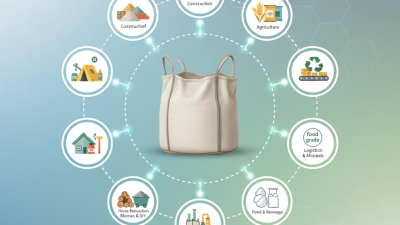
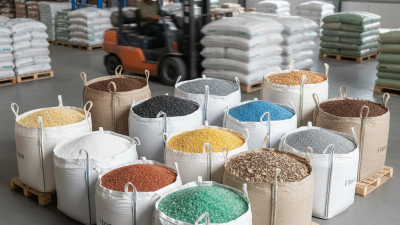
2 ton bags, also known as bulk bags or FIBCs, are essential for global industries. They offer a reliable solution for transporting and storing various materials, from agricultural products to construction materials. The versatility of these bags makes them valuable across many sectors. Their ability to hold up to 2 tons makes them ideal for heavy-duty applications.
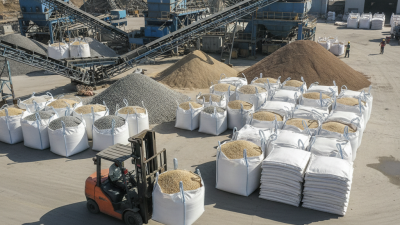
In agriculture, these bags simplify the handling of grains and fertilizers. They protect contents from moisture and pests. In construction, they are used for sand, gravel, and other bulk materials. Companies appreciate the cost-effectiveness and efficiency these bags provide. However, not all bags are created equal. Quality can vary widely, affecting performance and safety.
Many manufacturers claim to meet industry standards, yet not all deliver. This inconsistency calls for careful evaluation of suppliers. Organizations must consider factors like material strength, seam integrity, and compliance with safety regulations. Some users have reported issues like bag failure. This highlights the importance of thorough testing and supplier verification. Investing in quality ensures reliability and efficiency in operations, minimizing risk and costs in the long run.
Materials and Construction of High-Quality 2 Ton Bags
The materials used in high-quality 2 ton bags directly influence their durability and load-bearing capacity. Typically constructed from woven polypropylene, these bags exhibit excellent strength-to-weight ratios. According to the Flexible Intermediate Bulk Container (FIBC) Association, a well-designed 2 ton bag can handle loads of up to 2000 kg without structural failure. This is crucial for industries transporting bulk materials, ensuring safety and efficiency during handling.
Another vital aspect is the bag's construction standards. High-quality bags should follow guidelines set by ISO 21898, which mandates testing for strength, fabric UV resistance, and safety features. Many manufacturers now implement advanced sewing techniques and reinforced seams. These enhancements not only improve the bag's lifespan but also minimize potential failures during transit. Suppliers often face the challenge of meeting varying global standards without compromising quality.
Yet, issues often arise from inconsistent material sourcing. Quality can fluctuate based on suppliers, making strict quality checks necessary. Regular audits and certifications help maintain high standards, but they can be time-consuming and costly. Balancing speed of delivery with quality assurance remains an ongoing challenge in the industry. Effective communication with suppliers can mitigate these risks and ensure the bags meet the specified requirements for diverse global purchasing needs.
Factors Influencing the Quality of 2 Ton Bags
When considering the quality of 2 ton bags, several critical factors come into play. Material strength is often at the forefront. According to a recent industry report, high-density polyethylene (HDPE) or polypropylene (PP) fabrics are preferred for their durability. These materials resist tearing and increase the bag's lifespan, which is essential for bulk shipping.
Another important aspect is the manufacturing process. Bags that follow stringent quality control measures tend to perform better. The International Association of Plastics Engineers highlights that bags stitched with double seams achieve higher load capacities. Furthermore, the welding techniques employed can also influence a bag's ability to handle heavy loads without rupturing.
When selecting a supplier, consider their certifications. Trusted suppliers adhere to ISO standards, which assure consistent product quality. It's wise to request test results that confirm the bags can hold the specified loads under various conditions.
Choose suppliers that offer samples before making bulk purchases. Good-quality bags may show signs of wear after several uses, so premature failure can become an issue. Observing bag performance in real-world conditions will help in assessment. Always prioritize suppliers with transparent operational processes.
Key Suppliers and Manufacturers in the 2 Ton Bag Industry
In the evolving landscape of the 2 ton bag industry, key suppliers and manufacturers play a crucial role. Many companies focus on producing durable, high-quality bags that meet various global purchasing needs. These bags are essential for many sectors, including agriculture, construction, and logistics. They are designed to carry heavy loads while maintaining integrity.
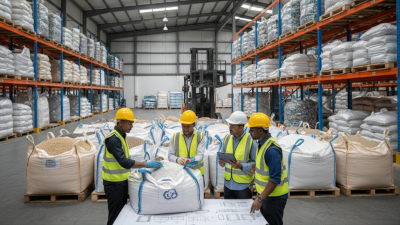
It’s important to investigate suppliers thoroughly. Look for manufacturers with a track record of reliability and quality. Request samples to assess the material and construction quality. Understand their production processes and whether they adhere to international standards. Communication is vital; ask about lead times and customization options available.
Evaluate customer reviews and testimonials. They offer insights into the supplier's reputation. Transparency in pricing and terms is essential. Consider factors like shipping costs and delivery timelines, as they can impact your overall budget. Connecting with industry experts can also provide valuable insights and recommendations when selecting suppliers.
Benefits of Using 2 Ton Bags for Shipping and Storage Solutions
2 ton bags have become essential for shipping and storage solutions across various industries. These large capacity bags can hold up to 2000 kilograms, making them ideal for bulk materials. According to a study by the Flexible Intermediate Bulk Container Association, the global market for flexible packaging is expected to reach $45 billion by 2025. This growth is largely driven by the efficiency that 2 ton bags provide.
One significant benefit of using 2 ton bags is their lightweight design. Compared to traditional containers, they reduce shipping costs considerably. The bags’ ability to collapse when empty saves space during transport. Research suggests that efficient space utilization can lower logistics costs by up to 20%. Many companies still overlook this advantage and continue to use heavier alternatives, which can cut into profit margins. Poor understanding of material handling can hinder operational efficiency.
Moreover, 2 ton bags often exceed standard product handling practices. Many users report issues with bag rupture or leaks. These incidents can lead to material loss and safety hazards. Implementing industry standard testing measures can help prevent such failures. Investing in best practices can improve reliability in shipping and storage, ultimately offering enhanced protection for valuable materials.
Top Quality 2 Ton Bags for Global Purchasing Needs
| Feature |
Description |
Benefits |
Ideal Use Cases |
| Capacity |
2 tons (approx. 2000 kg) |
High volume for bulk shipping |
Transporting agricultural products, minerals |
| Material |
Woven polypropylene |
Durable and weather-resistant |
Outdoor storage, construction sites |
| Design |
Flexible bulk bag with lifting loops |
Easy handling and transportation |
Warehouse logistics, food processing |
| Reusability |
Can be reused multiple times |
Cost-effective over time |
Sustainable shipping practices |
| Customization |
Available in various sizes and prints |
Brand recognition and marketing |
Retail, distribution centers |