Top 10 Uses for 2 Ton Bags: Versatile Solutions for Your Needs
In today's rapidly evolving world, the demand for efficient and adaptable storage solutions has never been greater. Enter 2 ton bags, which have emerged as a versatile option for various applications across different industries. These robust and durable bags, also known as bulk bags or FIBC (Flexible Intermediate Bulk Containers), are designed to hold large quantities of materials, making them an invaluable resource for construction, agriculture, and waste management, among others. Their ability to safely store and transport diverse products, from granules to heavy equipment, highlights their practicality and reliability.
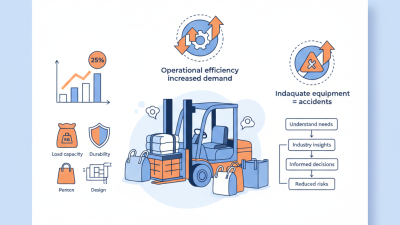
As businesses and individuals seek innovative ways to improve operational efficiency, the use of 2 ton bags continues to gain traction. Not only do these bags offer substantial load capacity, but their lightweight design and easy handling ensure that they can be utilized in even the most challenging environments. In this article, we will explore the top 10 uses for 2 ton bags, showcasing their myriad applications and the benefits they bring to various sectors. Whether you're looking to streamline your workflow, enhance productivity, or simply declutter your space, 2 ton bags provide versatile solutions that can cater to your unique needs.

Overview of 2 Ton Bags and Their Versatility
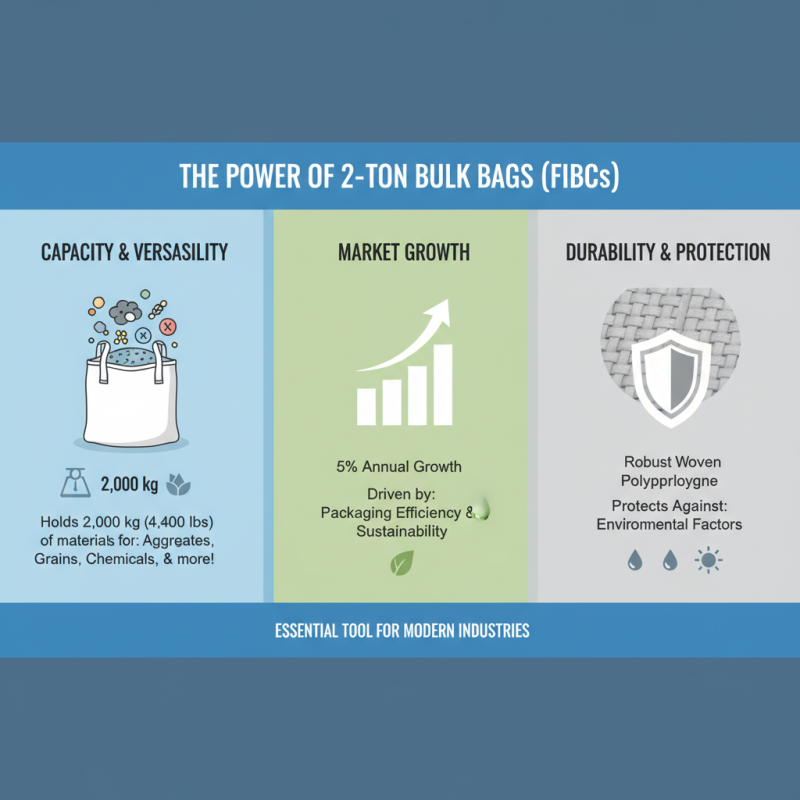
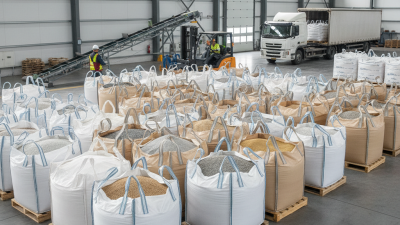
2 ton bags, also known as bulk bags or FIBC (Flexible Intermediate Bulk Containers), are an essential tool across various industries due to their remarkable versatility and capacity. These bags can typically hold 2,000 kilograms (approximately 4,400 pounds) of materials, making them ideal for transporting and storing a plethora of goods including aggregates, grains, chemicals, and more. Recent industry studies suggest that the demand for bulk bags is expected to grow by over 5% annually, driven by increasing awareness of efficient packaging solutions and sustainability initiatives. Their robust construction, often made from woven polypropylene, allows for excellent durability and protection against environmental factors.
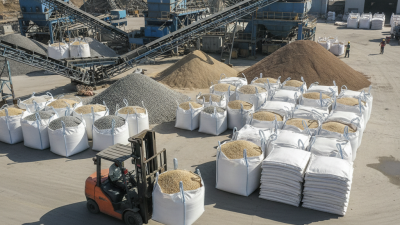
Furthermore, the adaptability of 2 ton bags extends to various sectors such as construction, agriculture, and even recycling. In the construction industry, for example, these bags are utilized to hold sand, gravel, or concrete, facilitating easier transportation and loading at job sites. In agriculture, they provide a cost-effective means for storing and transporting large quantities of crops or feed, optimizing logistics and minimizing waste. Additionally, with the growing emphasis on recycling and sustainable practices, 2 ton bags have emerged as a viable option for collecting and transporting recyclable materials, as they can be reused and recycled at the end of their life cycle. According to a report by Smithers Pira, the global market for bulk bags is projected to reach approximately $5 billion by 2026, reflecting their pivotal role in modern material handling solutions.
Common Materials Used in 2 Ton Bags
When it comes to 2 ton bags, often referred to as bulk bags or FIBC (Flexible Intermediate Bulk Containers), understanding the common materials used in their construction is essential. These bags are typically made from woven polypropylene, a durable synthetic material that provides excellent strength and resistance to moisture. Polypropylene is lightweight yet robust, making it ideal for transporting and storing a variety of products, from agricultural goods to construction materials.
Another popular material for 2 ton bags is polyethylene, which is frequently used for liners within these bags. This addition enhances moisture resistance, making it suitable for products that must remain dry during storage and transportation. Additionally, some 2 ton bags come with options for UV stabilization, ensuring that they can withstand prolonged exposure to sunlight without degrading. A combination of these materials not only contributes to the bags’ functionality but also allows for customization according to specific industry needs, further extending their versatility.
Top Applications for 2 Ton Bags in Construction and Agriculture
2 ton bags, often referred to as bulk bags or FIBC (Flexible Intermediate Bulk Containers), offer exceptional versatility in both construction and agriculture, making them ideal for numerous applications. In construction, these bags are invaluable for transporting and storing materials such as sand, gravel, and soil. Their robust design allows for the safe handling of heavy loads, ensuring that construction sites maintain organization and efficiency. Additionally, the bulk capacity of these bags reduces the need for multiple smaller containers, saving time and minimizing waste during projects.
In agriculture, 2 ton bags play a pivotal role in the handling of various products, including grains, fertilizers, and seeds. They provide a practical solution for bulk storage, allowing farmers to safeguard their produce from environmental factors while ensuring easy access during planting and distribution. Moreover, the lightweight yet durable nature of these bags simplifies transportation and reduces labor costs. Their versatility extends to use in agricultural fairs or markets, where they can be used to showcase products conveniently.
Overall, the application of 2 ton bags in both industries highlights their significance in enhancing operational efficiency and productivity.
Innovative Uses of 2 Ton Bags in Landscaping and Gardening
2 ton bags have emerged as essential tools in landscaping and gardening, providing a versatile solution for managing materials. According to recent industry reports, the horticultural sector has seen a significant rise in the use of bulk bags, primarily due to their capacity to hold large volumes of soil, mulch, and other landscaping materials. In fact, data from the Landscape Industry Association indicates that over 60% of professionals utilize 2 ton bags for efficient material transport and storage.
These bags are particularly favored for their durability and reusability, making them an environmentally friendly choice that aligns with contemporary gardening practices. Landscaping projects often generate significant amounts of waste, and utilizing 2 ton bags allows for easy collection and disposal of organic materials. Furthermore, their ability to contain up to 2 tons of materials can streamline the workflow on job sites, reducing the number of trips required for material transfer and thereby improving productivity. Studies have shown that businesses adopting bulk bags have increased their operational efficiency by as much as 30%, highlighting their role in sustainable landscaping practices.
Moreover, 2 ton bags are not just limited to transporting soil or mulch; they can also be creatively repurposed for various gardening tasks. For instance, gardeners can use them for creating raised beds or even as planters themselves, allowing for an innovative approach to plant growth. The flexibility and strength of these bags make them ideal for supporting diverse gardening styles, while their large capacity helps in retaining moisture and nurturing plants effectively. With the landscaping industry constantly evolving, the multifunctional use of 2 ton bags underscores their importance in modern gardening techniques.
Environmental Benefits and Reusability of 2 Ton Bags
2 ton bags, also known as bulk bags or FIBC (Flexible Intermediate Bulk Containers), have emerged as indispensable tools across various industries, not only for their practicality but also for their environmental benefits and reusability. A recent industry report by the Flexible Intermediate Bulk Container Association indicates that the demand for eco-friendly packaging solutions has surged by over 20% in the last five years. This shift is largely driven by heightened awareness of sustainability and the need to reduce plastic waste.
These bags are primarily made from woven polypropylene, which is recyclable and can be reused multiple times, making them a sustainable choice for businesses aiming to lessen their environmental footprint. Their durability allows them to carry heavy loads—up to 2 tons—without compromising integrity, thus minimizing the need for single-use packaging materials. Estimates suggest that utilizing 2 ton bags can reduce packaging waste by up to 80% compared to conventional packaging alternatives, highlighting their role in promoting a circular economy.
Tips for maximizing the benefits of 2 ton bags include ensuring proper cleaning between uses, which extends their lifespan and maintains hygiene. Additionally, businesses should consider standardizing sizes and specifications to streamline recycling processes. Finally, organizations can encourage partnerships with recycling facilities to ensure that used bags are appropriately processed, further enhancing their commitment to sustainability.
Top 10 Uses for 2 Ton Bags: Versatile Solutions for Your Needs
| Use Case |
Description |
Environmental Benefits |
Reusability |
| Agricultural Products |
Used for storing and transporting grains, fruits, and vegetables. |
Reduces waste by minimizing packaging materials. |
Can be reused for multiple harvest seasons. |
| Construction Material |
Ideal for transporting sand, gravel, and other construction materials. |
Encourages recycling of materials through bulk delivery. |
Sturdy design allows for reuse in multiple projects. |
| Landfill Management |
Utilized for managing and transporting waste materials. |
Helps in segregating waste for better recycling. |
Can be cleaned and repurposed after use. |
| Recycling Industry |
Used for collecting and transporting recyclable materials. |
Facilitates the recycling process and reduces landfill waste. |
Can be reused for multiple recycling loops. |
| Manufacturing |
Ideal for storing raw materials and bulk products. |
Minimizes packaging waste in delivery processes. |
Reused in various steps of manufacturing. |
| Food Industry |
Used for transporting bulk food products like flour and sugar. |
Reduces single-use packaging through bulk shipping. |
Can be cleaned and reused for storing food products. |
| Mining |
For conveying minerals and aggregate materials. |
Promotes sustainable mining practices by reducing spillage. |
Durable and can withstand heavy use in mining operations. |
| Bulk Storage |
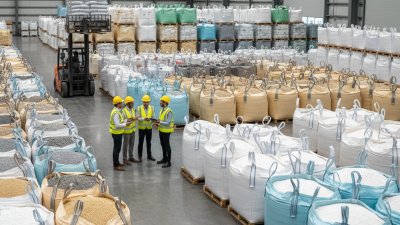
Excellent for storing materials in warehouses. |
Reduces the need for plastic containers. |
Easily stackable for repeated use. |
| Transport of Hazardous Materials |
Suitable for safe transport of certain hazardous substances. |
Improves safety through proper packaging. |
Reusable for various hazardous material shipments. |