Understanding Types of FIBC Bags for Global Sourcing?
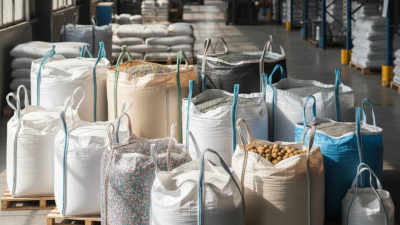
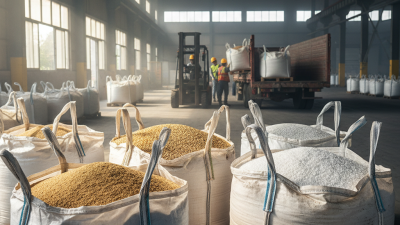
When exploring the world of bulk packaging, it is crucial to understand the various types of FIBC bags. FIBC, or Flexible Intermediate Bulk Containers, are increasingly popular in the global marketplace. They are designed for efficient storage and transportation of a wide range of products. Knowledge of the types of FIBC bags helps businesses make informed decisions.
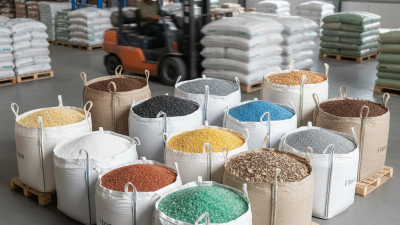
Different types of FIBC bags serve various purposes. Some are tailored for specific materials, like powders or granules. Others might accommodate liquid contents or hazardous materials. Yet, many businesses may overlook the details. For example, choosing the wrong type can lead to spills or damage. This emphasizes the need for careful selection.
The importance of FIBC bags extends beyond just functionality. They also contribute to sustainability efforts in packaging. However, many sourcing strategies still lack a deep understanding of these bags. An informed approach can help businesses enhance efficiency and reduce environmental impact. Exploring the right types of FIBC bags should be a priority for any global sourcing initiative.
Types of FIBC Bags: An Overview for Global Sourcing
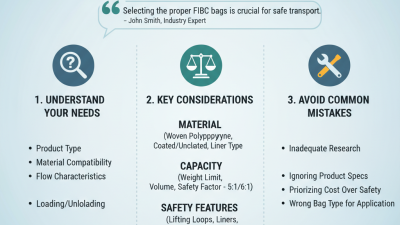
FIBC bags, also known as bulk bags, are essential for various industries. They come in different types, and each serves a specific purpose. Choosing the right FIBC bag is crucial for effective global sourcing. There are several factors to consider, including material, size, and structure.
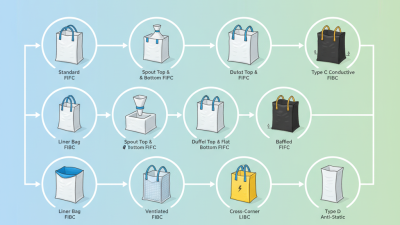
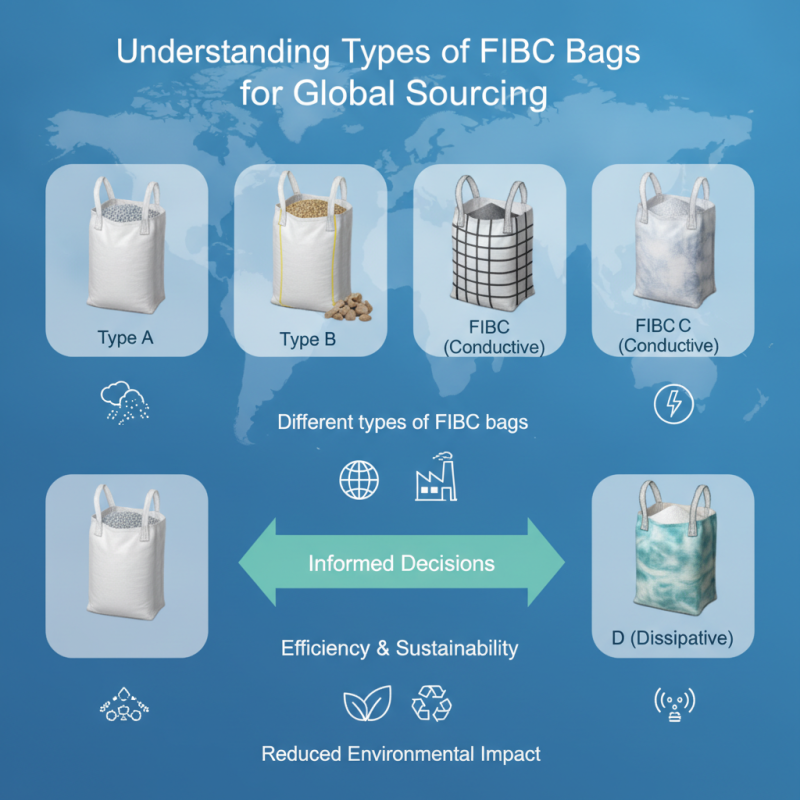
Types of FIBC bags include standard, conductive, and breathable options. Standard bags are suitable for general applications. Conductive bags are designed for transporting electronics and flammable materials. Breathable bags, on the other hand, are ideal for products that require ventilation, such as agricultural grains. Each type has its unique features and advantages.
Understanding these differences can be challenging. It's easy to overlook specific requirements. Additionally, regulations vary by region, impacting sourcing decisions. Collaborating with knowledgeable suppliers can help clarify doubts. Awareness of your specific needs will lead to better choices in the long run.
Key Materials Used in FIBC Bag Manufacturing
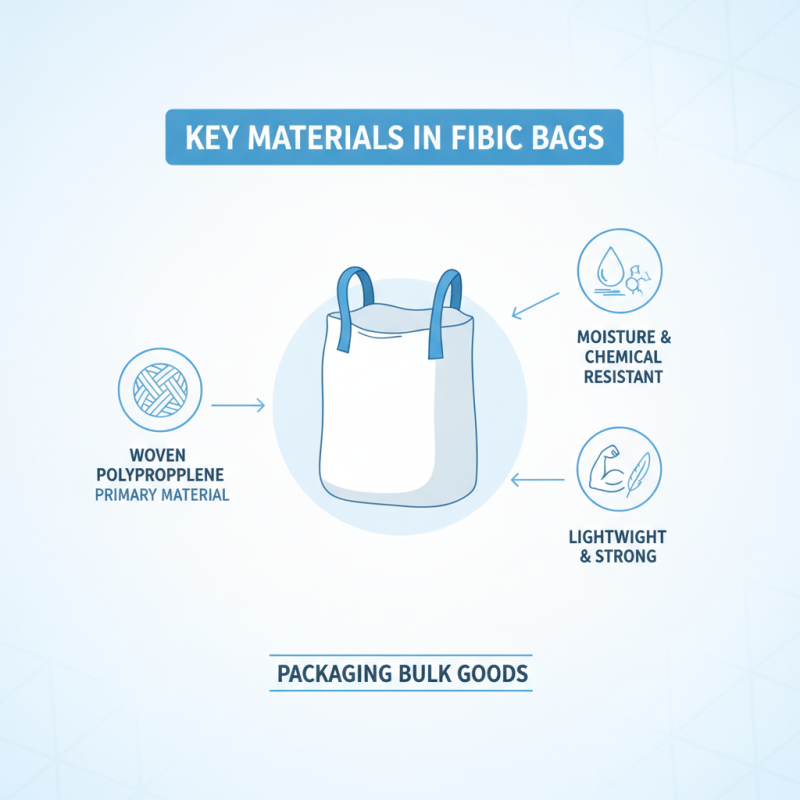
FIBC bags, known for their versatility, are made from various materials, each impacting their strength and usability. The primary material is woven polypropylene. This durable plastic provides excellent resistance to moisture and chemicals. It is lightweight yet strong, making it a popular choice for packaging bulk goods.
Another material gaining traction is conductive polypropylene. This type helps prevent static buildup in sensitive environments. It's particularly useful in industries handling flammable materials. However, the manufacturing process is more complex. It requires additional steps to ensure conductivity, which may increase costs and production time.
Recyclability is another factor in FIBC bag materials. Many manufacturers explore options for using recycled materials without sacrificing quality. Yet, this approach has its challenges. The consistency in recycled materials can vary, impacting bag strength. Striking a balance between sustainability and performance remains a key consideration in FIBC production.
Different Designs and Configurations of FIBC Bags
FIBC bags, or Flexible Intermediate Bulk Containers, come in various designs and configurations. Each type serves unique purposes in different industries. According to a recent industry report, the global FIBC market is expected to grow by 6.5% annually, highlighting the increasing demand for these versatile bags.
One common configuration is the U-panel bag. It consists of two side panels and a bottom panel, providing excellent strength. These bags are ideal for bulk materials like granulates and powders. In contrast, the circular bag design offers uniform strength and is often used for heavy materials. The choice between these designs impacts stability during transport and storage.
Understanding these configurations is essential for quality sourcing. Data shows that over 30% of FIBC failures stem from improper selection of bag types. Misalignment with specific materials or loads can lead to costly damages. Furthermore, not all manufacturers provide reliable specifications, making it vital for suppliers to offer clear performance data. This complexity highlights the need for thorough vetting in global sourcing. Manufacturers must be transparent about their designs to foster trust and reliability in the supply chain.
Choosing the Right FIBC Bag for Specific Applications
When selecting FIBC bags, it is crucial to consider the specific application. FIBC bags, or flexible intermediate bulk containers, vary significantly in design and features. These differences affect their suitability for different materials, such as powders, granules, or liquids. An improperly chosen bag can lead to safety and efficiency issues.
For powder handling, a bag with a fine mesh is often ideal. It prevents dust escape while allowing ventilation. In contrast, bulk materials may require strong, woven bags to withstand heavier loads. Take time to analyze load capacities and stacking requirements. Not all bags are the same, and using the right type can enhance overall performance.
Reflecting on past experiences can help guide future choices. Consider logistic challenges faced in the past. Did a chosen FIBC bag fail to meet storage needs? Identify these patterns to improve sourcing strategies. This approach not only builds knowledge but enhances decision-making processes for sustainability and cost-effectiveness in sourcing.
Quality Standards and Certifications for FIBC Bags
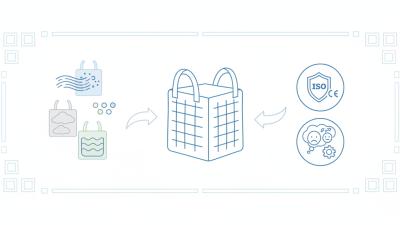
FIBC (Flexible Intermediate Bulk Container) bags are essential in various industries. Understanding quality standards and certifications for these bags is crucial for global sourcing. Certifications such as ISO 9001 ensure that manufacturers maintain high-quality processes. Reports indicate that around 40% of FIBC bags fail quality checks without proper standards, leading to significant logistical issues.
Quality standards often require rigorous testing. For example, FIBC bags should endure stress tests to ensure safety during transport. Various countries have specific regulations that manufacturers must follow. Failure to comply can result in costly recalls. Industry data shows that quality-certified bags can reduce damage by up to 25%.
Tip: Always ask for certification documents before sourcing. Verify results from independent testing labs. Engage with suppliers about their quality assurance processes. Transparency is vital. Consumers should demand high standards. There will always be products that cut corners; awareness helps mitigate risks. Companies that prioritize quality over cost often see better long-term success. Investing in reliable FIBC bags can lead to significant savings and efficiency in operations.