
Every decision can significantly impact operational efficiency and profitability. One often overlooked aspect is the choice of pallets used for transporting and storing goods.
While traditional wooden pallets have been a staple in the industry for decades, plastic pallets are gaining traction.
But are plastic pallets worth the investment?
This article will explore the key benefits of plastic pallets, helping you make an informed decision.
Are Plastic Pallets More Expensive Than Wooden Pallets?
When considering any investment for your manufacturing operations, cost is always a primary concern.
Plastic pallets typically have a higher upfront cost than wooden pallets.
However, it’s crucial to evaluate the total cost of ownership rather than just the initial expense.
Plastic pallets are designed for durability and longevity.
While wooden pallets may require frequent replacements, plastic pallets can last for years with minimal wear and tear.
The initial investment in plastic pallets can be offset by the savings in replacement costs over time.
Many manufacturers report that although plastic pallets may require a larger upfront investment, they lead to overall cost savings in the long run due to their extended lifespan.
Evaluating case studies can provide insight into how businesses like yours have benefitted financially from transitioning to plastic.
How Long Do Plastic Pallets Last Compared to Wooden Pallets?
Durability is a crucial factor when selecting pallets.
Wooden pallets are prone to splintering, cracking, and warping, especially when exposed to moisture or heavy loads.
On the other hand, plastic pallets are engineered to withstand harsh conditions without succumbing to wear.
Plastic pallets can endure heavy usage and exposure to various environmental factors, making them a reliable choice for manufacturing.
Their robust design allows them to support substantial weights without compromising structural integrity, reducing the risk of damage to your products during transportation and storage.
By investing in plastic pallets, you’re not just purchasing a product; you’re securing a reliable and long-lasting solution that minimizes downtime and ensures smooth operations.
Are Plastic Pallets More Hygienic?
In industries such as food processing, pharmaceuticals, and cosmetics, hygiene is of paramount importance.
Plastic pallets offer significant advantages in this area. Unlike wooden pallets, which can absorb moisture and harbor bacteria, plastic pallets are non-porous and resistant to contamination.
The smooth surface of plastic pallets makes them easy to clean and sanitize.
This is essential for maintaining compliance with health and safety regulations.
Additionally, their ability to be thoroughly cleaned helps prevent cross-contamination, ensuring the integrity of your products.
For manufacturers in sectors where hygiene is critical, the shift to plastic pallets can enhance safety protocols and build consumer trust.
Do Plastic Pallets Offer Better Load-Bearing Capacity for Manufacturing Needs?
Another vital consideration is load capacity.
Plastic pallets typically have a higher load-bearing capacity compared to wooden pallets.
This is particularly important for manufacturing environments where heavy materials and equipment are common.
The structural design of plastic pallets allows them to handle substantial weights without cracking or deforming.
This ensures that your products remain secure during transport, reducing the likelihood of damage and associated costs.
When assessing your pallet needs, consider the weight and type of goods you handle.
Choosing plastic pallets can enhance your operational efficiency by minimizing the risk of product loss or damage due to pallet failure.
Are Plastic Pallets More Eco-Friendly?
As environmental concerns grow, sustainability has become a focal point for many manufacturing companies.
While wooden pallets are often seen as a more natural choice, they come with their own set of environmental challenges, such as deforestation and the disposal of damaged pallets.
Plastic pallets, on the other hand, are often made from recycled materials and are themselves recyclable at the end of their life cycle.
Their durability also means fewer resources are consumed over time due to less frequent replacements.
Investing in plastic pallets not only supports your operational efficiency but also aligns your business with sustainable practices.
This can improve your company’s image and attract eco-conscious clients and partners.
How Do Plastic Pallets Hold Up in Extreme Conditions?
Manufacturing environments can be demanding, with temperature fluctuations, exposure to chemicals, and varying humidity levels.
Plastic pallets are designed to thrive in these conditions, offering superior resistance compared to wooden pallets.
Plastic pallets do not absorb moisture, preventing issues like rot and warping that often plague wooden pallets.
This resistance ensures that your pallets maintain their integrity even in harsh settings, contributing to consistent product quality and operational reliability.
For manufacturers working in challenging environments, plastic pallets can provide peace of mind, knowing that your pallets will perform as expected regardless of the conditions.
Do Plastic Pallets Improve Workplace Safety?
Workplace safety is paramount in any manufacturing facility.
Plastic pallets offer several safety advantages over traditional wooden pallets.
They do not have sharp edges, nails, or splinters that can pose hazards to employees handling them.
Additionally, plastic pallets are generally lighter than wooden pallets, reducing the risk of strain-related injuries when lifting or maneuvering them.
By choosing plastic pallets, you contribute to a safer workplace, which can lead to fewer accidents and a healthier workforce.
Investing in safety measures not only protects your employees but can also result in lower insurance costs and higher overall productivity.
Can Plastic Pallets Be Customized to Fit Specific Manufacturing Needs?
Every manufacturing operation has unique requirements, and plastic pallets can be tailored to meet these needs.
They can be molded into various sizes and configurations, ensuring they fit seamlessly into your operations.
Customizable options allow you to design pallets that suit specific products or workflows, enhancing efficiency.
Whether you need pallets for specific dimensions or specialized designs for certain materials, plastic pallets can provide the flexibility required in a dynamic manufacturing environment.
This adaptability can streamline your processes and optimize space utilization within your facility.
Are Plastic Pallets Compliant with Industry Standards?
Compliance with industry standards is critical for manufacturers, especially those engaged in international shipping.
Plastic pallets often meet strict international shipping regulations, such as ISPM-15, which governs the treatment of wooden pallets to prevent pest infestations.
Choosing plastic pallets can simplify compliance efforts, as they do not require the same treatment processes as wooden pallets.
This can reduce logistical hurdles and streamline the shipping process, allowing for smoother operations and fewer delays.
When selecting pallets, ensure that they meet the necessary regulatory standards for your industry and geographic region.
This will save you from potential fines and disruptions in your supply chain.
Do Plastic Pallets Offer a Good ROI for Manufacturers?
While plastic pallets may come with a higher initial cost, the long-term benefits often outweigh the upfront investment.
Their durability, reduced maintenance costs, and extended lifespan can deliver significant returns over time.
Calculating the total cost of ownership will provide a clearer picture of the potential ROI.
Many manufacturers have reported substantial savings in repair and replacement costs after transitioning to plastic pallets.
By evaluating your operational needs and the associated costs, you can determine if plastic pallets align with your financial goals and operational strategy.
Do Plastic Pallets Offer Better Storage Solutions?
Maximizing storage space is crucial in any manufacturing operation.
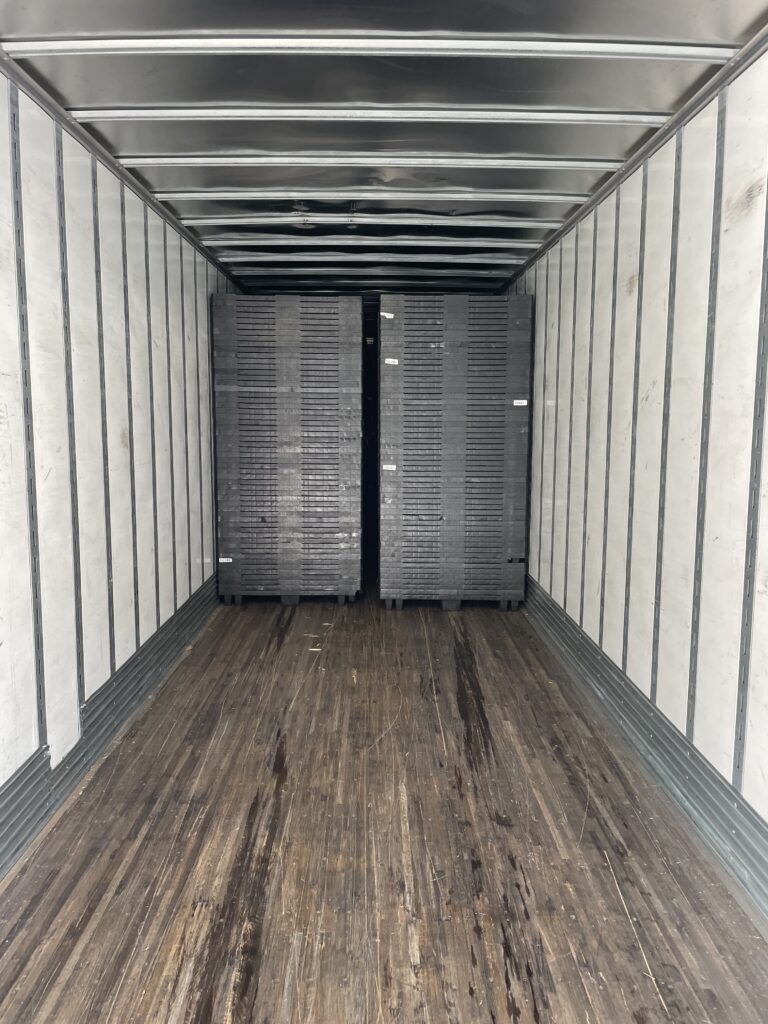
Plastic pallets are often designed to be stackable and nestable, which can significantly enhance space efficiency in warehouses and production areas.
By optimizing your storage capabilities, you can reduce the need for additional warehouse space, lowering overhead costs.
Efficient use of space also streamlines workflows and improves overall productivity.
When evaluating pallet options, consider how plastic pallets can contribute to better space management within your facility.
Can Plastic Pallets Be Repaired If Damaged?
Damage to pallets can be costly, leading to disruptions in your operations.
Plastic pallets can sometimes be repaired, depending on the type and extent of the damage.
This can minimize replacement costs and extend the life of your investment.
In contrast, wooden pallets often require complete replacement if damaged, which can lead to increased operational costs and waste.
Understanding the reparability of plastic pallets can help you make a more informed decision about your pallet strategy.
Conclusion
In conclusion, while the upfront cost of plastic pallets may be higher than that of traditional wooden pallets, the long-term benefits they offer can make them a worthwhile investment for manufacturing companies.
Their durability, hygiene, safety, sustainability, and adaptability provide significant advantages that contribute to operational efficiency and cost savings.
By carefully evaluating your specific manufacturing needs and weighing the total cost of ownership, you can determine whether plastic pallets are the right choice for your business.
Embracing plastic pallets can enhance your operations and position your company for long-term success in a competitive marketplace.