Choosing the right ton bags in 2026 is more complex than comparing price, size, and fabric weight. Global buyers must match bag construction with product density, filling equipment, transport conditions, and storage time. A bag suitable for dry minerals may perform poorly with food powders or moisture-sensitive materials.
Packaging author and consultant Dr. Walter Soroka offers a useful principle: “Packaging must protect the product and support its distribution.” This idea remains relevant when evaluating standard FIBC ton bags, coated bags, ventilated bags, conductive designs, and certified options for regulated supply chains. Each type solves a different handling problem. Some improve moisture resistance. Others support airflow or reduce static-related risks through appropriate construction.
Details matter.
A buyer should inspect fabric strength, lifting-loop design, discharge options, seam quality, liner compatibility, and safe working load. Certification and testing records should also be reviewed with the manufacturer. Requirements can differ between countries, industries, and transport routes. Do not assume one specification works everywhere.
In practice, experienced buyers often request samples before placing large orders. A filled sample can reveal poor balance, difficult discharge, or unexpected dust leakage. That step may feel slow, but it prevents expensive mistakes. Cost remains important, yet the cheapest ton bags can create higher handling losses later. This is where the decision becomes less perfect. Product data may look complete, while real warehouse conditions expose weaknesses. A reliable supplier should explain those limits clearly, provide traceable quality documents, and recommend a design based on evidence rather than sales claims.
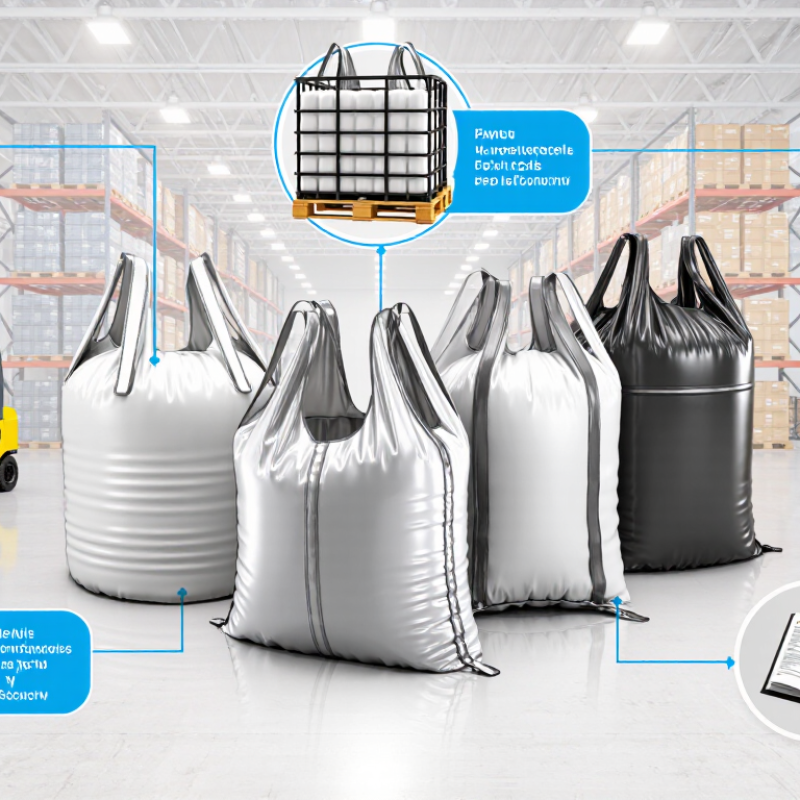
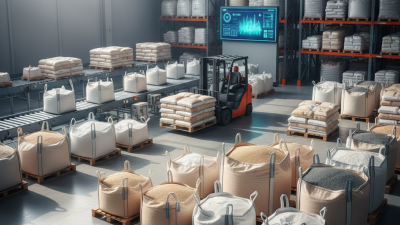
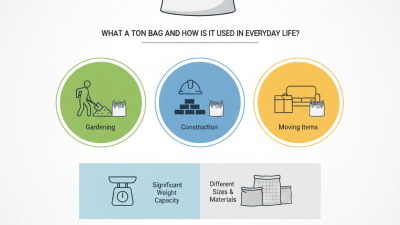
Ton bags, also called flexible intermediate bulk containers, hold dry goods in large quantities. They are usually woven from polypropylene and fitted with lifting loops, filling openings, and discharge spouts. A standard bag commonly carries 500 to 2,000 kilograms, depending on its design and safety rating.
The Global Flexible Intermediate Bulk Container Market report by Grand View Research estimated the market at about USD 5.1 billion in 2023. It also projected continued growth through 2030. These figures reflect demand from agriculture, construction materials, minerals, food ingredients, and chemical manufacturing. The International Fertilizer Association reports that global fertilizer use remains above 180 million tonnes annually. Much of this material requires practical bulk storage and transport.
Selection depends on the cargo, route, and handling equipment. Food-grade bags need documented cleanliness and suitable liners. Fine powders may require coated fabric or sift-proof seams. Moisture-sensitive products often need laminated fabric or an inner liner. Bags used for hazardous materials require UN performance certification and controlled testing. ISO 21898 provides important specifications for FIBCs, including lifting strength and safety factors.
A strong bag is not automatically the best bag. Buyers sometimes focus only on price and capacity. That choice can create damaged seams, dust leakage, or unstable stacking. I have seen specifications look perfect on paper, yet loading conditions exposed weaknesses. Moisture, sharp particles, repeated lifting, and poor pallet support still matter. The practical answer may be less obvious than the catalogue suggests.
In 2026, global buyers can choose ton bags made from uncoated or coated polypropylene fabric. Uncoated fabric supports airflow and suits dry, stable powders. Coated fabric improves moisture resistance, especially during sea transport. A polyethylene liner adds another barrier, but it may increase heat buildup and disposal concerns. The best option depends on cargo sensitivity, filling method, and storage time.
Design choices are equally important. Circular bags work well for general bulk handling. Four-panel and U-panel designs provide stronger shape control. Baffle bags use internal fabric panels to reduce bulging and save warehouse space. Conductive versions support controlled handling where static risk requires attention. Food-contact applications need traceable materials, clean production, and documented testing under applicable standards, including ISO 21898.
Market data shows why these choices matter. Grand View Research estimates the global FIBC market will expand at about 5.5% annually through 2030. Smithers also identifies sustainability and recycled-content demand as major packaging trends. Yet recycled polypropylene is not automatically suitable for every load. Performance can vary between suppliers. I would request fabric strength results, seam tests, drop-test records, and liner specifications before ordering. Small details matter. A weak discharge spout can delay an entire container. A cheaper bag may look efficient, but its real cost appears during filling, storage, or unloading.
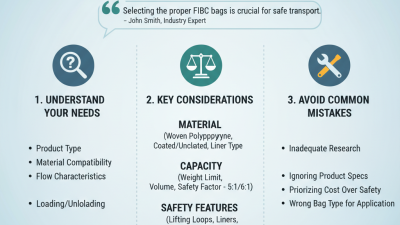
For global buyers, the best ton bag is not simply the largest one. It must match load capacity, filling method, storage time, and transport conditions. A 1,000 kg rated bag may perform poorly when filled with dense material and moved by unsuitable forks. Check the safe working load, safety factor, lifting loops, and base design together. Capacity is a system, not a single number. Good purchasing teams request test reports, material specifications, and traceable batch information. These documents make supplier claims easier to verify.
Safety standards deserve close attention. Confirm whether the bag follows the destination market’s packaging, handling, and transport requirements. Ask for independent testing covering seams, loop strength, drop resistance, and electrostatic controls when relevant. Food, chemical, and dusty products may require different fabric treatments and liners. Never assume a familiar appearance means equal protection. A clean, stable bag matters. Durability depends on polypropylene fabric weight, stitching quality, UV resistance, moisture control, and repeated handling. Reuse should follow written inspection rules, not optimism. That point is often missed.
Tips: Compare suppliers using the same checklist. Request the safe working load, safety factor, dimensions, fabric specification, test date, and storage guidance. Inspect every lifting loop and corner seam before use. Look for fraying, faded fabric, cuts, or distorted loops. Store bags off the floor, away from sunlight and rain. Keep product compatibility records. A cheaper bag can cost more after one handling failure. I would also sample-test a small shipment before approving regular orders. No spreadsheet replaces a real inspection.
Standard, UN-certified, Type C conductive, and ventilated FIBCs commonly support rated loads from 1,500 to 2,000 kg. UN-certified bags generally use a higher 6:1 safety factor for regulated goods, while 5:1 is common for many general-purpose designs. Reuse potential varies by construction, inspection, UV exposure, filling method, and handling conditions.
Ton bag performance depends on the industry, not only on carrying capacity. Agriculture usually needs breathable fabric, strong lifting loops, and a wide top opening. These features help workers fill bags with grain, seeds, or feed quickly. A coated inner surface can reduce moisture exposure during short-term storage. However, ventilation still matters in warm warehouses. Poor airflow may damage sensitive products.
Construction materials often require sift-proof seams and reinforced corners. Fine powders can escape through tiny gaps. A discharge spout also makes controlled unloading easier at concrete sites. For minerals and recycled materials, abrasion-resistant fabric can extend service life. In food processing, choose cleanable surfaces, food-contact documentation, and a suitable liner. The liner protects dry ingredients from dust and humidity. It must match the filling temperature and handling method.
Static control deserves careful attention. Some dry powders create electrical charges during filling or discharge. Antistatic fabric and proper grounding can lower operational risk, but they do not replace site procedures. Chemical industries may need specialized liners and verified material compatibility. Local packaging requirements should be checked before purchase. I have seen buyers focus on fabric weight while overlooking loop design. That mistake can create handling problems. Capacity is only one detail. The best ton bag balances product sensitivity, filling speed, storage conditions, transport distance, and unloading equipment. A perfect specification rarely exists. Rechecking the design after a trial shipment is often wiser.
| Ton Bag Type | Typical Construction | Typical Safe Working Load | Common Filling Method | Best-Suited Industries and Materials | Key Advantages | Important Limitations | Recommended Buyer Profile |
|---|---|---|---|---|---|---|---|
| Standard 4-Panel FIBC | Woven polypropylene body with four vertical panels, usually with lifting loops sewn into the top seams. | Approximately 500–2,000 kg, depending on fabric weight, design, and certification. | Top spout, duffle top, or open top; discharge spout or plain bottom. | Mineral powders, grains, seeds, feed ingredients, fertilizers, plastic pellets, and general industrial materials. | Versatile design, efficient storage, broad availability, and a strong balance between price and performance. | Not automatically suitable for hazardous goods, very fine powders, or products requiring high moisture protection. | Importers and distributors seeking a reliable general-purpose bag for multiple dry bulk products. |
| U-Panel FIBC | Body formed from a U-shaped fabric panel with two separate side panels, commonly made from coated or uncoated polypropylene. | Approximately 500–2,000 kg for standard industrial applications. | Open top, duffle top, or filling spout with a bottom discharge outlet. | Construction aggregates, agricultural products, chemicals, animal feed, and recyclable materials. | Good structural strength, practical handling, and adaptable inlet and outlet configurations. | The correct fabric specification is essential when the load is abrasive, dense, or exposed to outdoor conditions. | Buyers needing a cost-effective bulk bag for regular loading, transport, and warehouse handling. |
| Baffle Bag | Standard polypropylene bag reinforced with internal corner baffles that help maintain a square or rectangular shape. | Approximately 500–2,000 kg, subject to design and test results. | Top spout or filling skirt with a controlled bottom discharge. | Food ingredients, pharmaceutical excipients, powders, pigments, and materials where storage density matters. | Improved shape retention, better pallet utilization, higher warehouse efficiency, and reduced bulging. | Internal baffles can make cleaning, liner installation, and product discharge more design-sensitive. | Global buyers focused on container utilization, neat pallet presentation, and space-efficient storage. |
| Conductive Type C FIBC | Conductive fabric with interconnected conductive threads that must be properly grounded during filling and discharge. | Commonly designed for 500–2,000 kg, with performance dependent on the complete grounding system. | Conductive filling and discharge accessories connected to an approved grounding procedure. | Flammable powders, solvent-related processes, fine chemicals, pharmaceutical powders, and dust-sensitive operations. | Controls electrostatic charge when correctly grounded and used according to the handling procedure. | It must be grounded before operation; incorrect grounding, damage, or unsuitable equipment can create a serious safety risk. | Industrial buyers with documented electrostatic-control procedures and trained operators. |
| Dissipative Type D FIBC | Special dissipative fabric designed to release electrostatic charge without a conventional grounding connection in suitable environments. | Commonly designed for 500–2,000 kg, subject to the manufacturer’s test specification. | Top spout or filling inlet with a compatible discharge design. | Chemical processing, powder handling, food manufacturing, and facilities where grounding points are difficult to maintain. | Can reduce dependence on a separate grounding cable when the bag and operating environment meet the required conditions. | Performance depends on fabric integrity, humidity, equipment, and compliance with the applicable handling standard. | Buyers needing electrostatic protection but facing practical limitations with conventional grounding. |
| UN-Certified FIBC | Bulk bag tested and certified for specified dangerous goods applications, with approved construction and marking requirements. | Typically 500–2,000 kg, but the permitted load depends on the certified design and packing group. | Configuration depends on the certified product design, including approved inlet and outlet features. | Certain hazardous solids, regulated chemical powders, and other dangerous goods approved for FIBC transport. | Supports regulated transport when the packaging, contents, marking, and handling procedures comply with applicable rules. | Certification is product- and design-specific; it does not make every hazardous material suitable for every UN bag. | Exporters and logistics operators shipping regulated dry solids across jurisdictions. |
| Food-Grade FIBC | Manufactured from materials and processes selected for contact with food ingredients; may include an inner liner and hygienic closures. | Approximately 500–2,000 kg, depending on the product and handling system. | Sanitary filling spout, duffle top, or sealed inlet with a controlled discharge outlet. | Flour, sugar, starch, milk powder, rice, cocoa, spices, salt, and other dry food ingredients. | Supports hygienic handling, contamination control, traceability, and efficient bulk transport. | Food-contact suitability must be verified for the destination market, liner, inks, sewing materials, and production controls. | Food processors and ingredient importers requiring documented hygiene and material compliance. |
| Lined FIBC | Woven polypropylene outer bag combined with a polyethylene or other compatible inner liner. | Approximately 500–2,000 kg, depending on liner fit, product density, and lifting design. | Filling spout or sealed inlet; discharge spout may be fitted to the liner and outer bag. | Fine powders, hygroscopic materials, pigments, resins, powders requiring improved containment, and sensitive ingredients. | Reduces leakage and helps limit moisture or external contamination when the liner is correctly specified. | Liners can complicate filling, discharge, recycling, static control, and heat exposure management. | Buyers handling fine, dusty, moisture-sensitive, or contamination-sensitive products. |
| Ventilated FIBC | Woven body fitted with ventilation strips or breathable panels to improve air circulation around the packed product. | Approximately 500–1,500 kg, depending on the product and bag design. | Open top, duffle top, or filling spout with a suitable bottom outlet. | Firewood, agricultural produce, root crops, biomass, and materials that may retain heat or moisture. | Improves airflow and can help reduce condensation during storage and transport. | Ventilation reduces containment and moisture-barrier performance, so it is unsuitable for fine powders or water-sensitive products. | Agricultural and biomass suppliers transporting products that benefit from breathability. |
| One-Trip FIBC | Designed for a single filling, transport, and discharge cycle, with a construction selected for the intended load. | Approximately 500–2,000 kg, according to the specified safety factor and application. | Top inlet and bottom outlet selected for the filling and discharge equipment. | Export shipments, project cargo, seasonal products, minerals, agricultural materials, and general dry bulk goods. | Simple procurement, lower reverse-logistics requirements, and suitability for international one-way supply chains. | It should not be reused unless the design, inspection, and applicable regulations specifically permit reuse. | Global buyers prioritizing straightforward export logistics and predictable one-cycle handling. |
| Reusable FIBC | Designed for repeated service with suitable fabric strength, lifting construction, inspection procedures, and cleaning controls. | Approximately 500–2,000 kg per approved use cycle. | Reusable top and bottom closure systems selected for the product and filling equipment. | Closed-loop manufacturing, internal plant transfers, returnable supply chains, and consistent non-hazardous products. | May reduce packaging waste and cost per use when inspection, cleaning, and reverse logistics are well controlled. | Reuse requires documented inspection, suitable cleaning, product compatibility, and compliance with applicable regulations. | Manufacturers with stable routes, controlled operations, and an established return system. |
| Circular or Tubular FIBC | Body woven as a continuous circular or tubular fabric, often providing fewer sewn seams than multi-panel constructions. | Approximately 500–2,000 kg, depending on fabric strength and lifting configuration. | Top spout, duffle top, or open top with a bottom discharge arrangement. | Powders, granules, agricultural goods, minerals, and applications requiring controlled seam exposure. | Can offer a smooth interior surface, reduced seam count, and efficient production for standardized designs. | The design must be evaluated for shape stability, filling behavior, lifting configuration, and product flow. | Buyers seeking standardized bulk packaging with a smooth internal construction and competitive production efficiency. |

Technical values shown are typical industry ranges for comparison only. The appropriate ton bag should be selected according to product density, filling and discharge equipment, transport regulations, safety factor, moisture requirements, electrostatic risk, and destination-market compliance.
Choosing the best ton bag for a global market starts with the material, not the appearance. Woven polypropylene bags suit many dry, free-flowing products and offer practical strength. U-panel and four-panel designs can provide reliable lifting performance when filled correctly. Baffle bags hold a more stable shape in narrow containers.
Product density matters. A heavy mineral needs a different safety factor than a light agricultural product. Fine powders may require a coated fabric or an inner liner to reduce leakage. Moist climates also demand careful attention to moisture protection. A bag designed for dry storage may perform poorly near ports or during long transit.
Tips: Ask for a technical data sheet, sample, and test report. Check safe working load, safety factor, fabric weight, lifting-loop design, discharge style, and liner fit. Confirm filling and unloading equipment before ordering. Test a sample with the actual product. It is a small step.
Market conditions should guide the final choice. Food-contact applications may require documented material controls and traceability. Static-sensitive environments need suitable grounding features and verified bag construction. Buyers should also check packaging, transport, and workplace requirements in the destination country. Local rules can differ.
A common mistake is choosing the lowest quoted price. It may increase product loss, handling delays, or damaged shipments. Yet the most reinforced bag is not always best. Extra fabric can raise cost and reduce loading efficiency. Review real filling records, storage time, stacking height, and transport conditions before approving a specification. Even experienced buyers sometimes overlook unloading space.
Copyright 2025 © Custom Packaging Products | All Rights Reserved