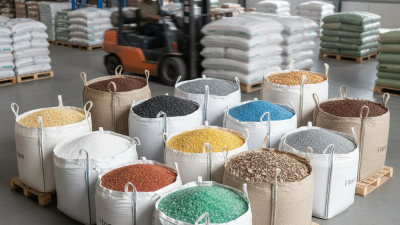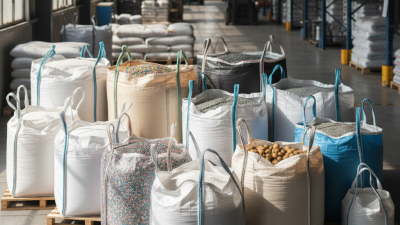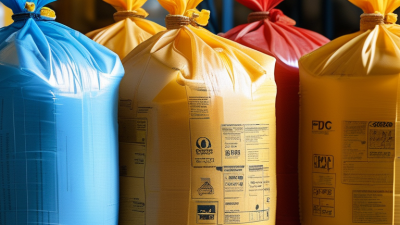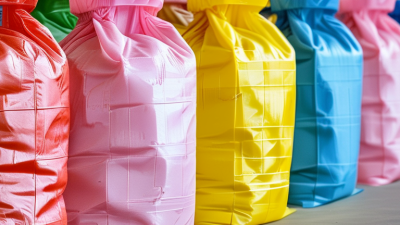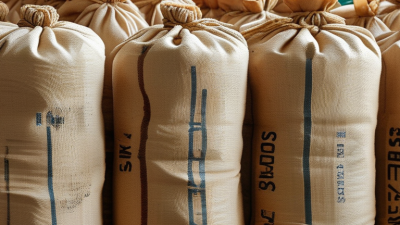
For global buyers, agriculture bags are no longer simple containers for grain, seed, fertilizer, or fresh produce. They protect value from the warehouse to the port. They also influence handling speed, product quality, storage safety, and environmental performance.
William McDonough, a leading circular-design expert, has often expressed a powerful principle: “Waste equals food.” That idea matters here. A polypropylene woven bag may resist moisture and repeated handling, yet its end-of-life pathway still deserves attention. A paper sack may support easier recycling, but humidity can weaken it quickly. There is no perfect option.
This guide examines ten agriculture bags that deserve attention in 2026. Each choice is considered through practical buying conditions. These include load capacity, fabric strength, liner quality, stitching, printing accuracy, pallet stability, and transport exposure. A buyer handling 25-kilogram rice bags needs different protection from a supplier moving one-ton bulk bags. Small details matter. Loose seams can spill valuable products. Poor ventilation can encourage condensation. Unclear labeling can create costly warehouse confusion.
The selection also considers supplier consistency, customization capability, food-contact suitability, and responsible material choices. Regional requirements may differ, so buyers should verify current import, packaging, and product-safety rules before ordering. Price alone can mislead. A cheaper bag may fail during stacking or long-distance shipping.
Some judgments remain debatable. Durability, recyclability, and cost do not always improve together. That tension deserves honest discussion. The strongest agriculture bags are not merely attractive or inexpensive. They fit the product, route, climate, and handling system with dependable precision.
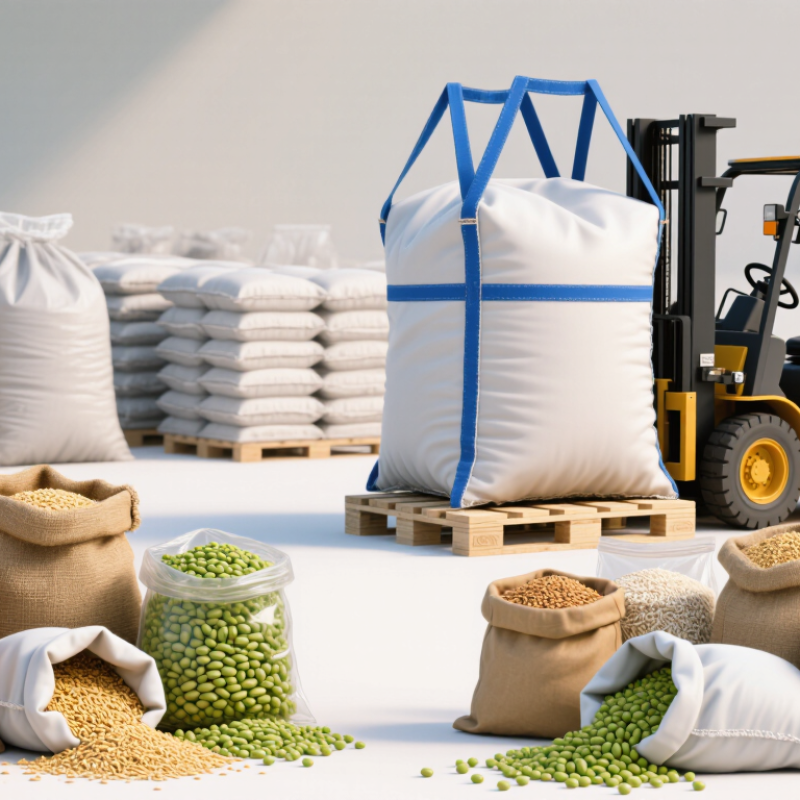
Global agriculture buyers are demanding bags that protect products from moisture, dust, tearing, and rough transport. Grain, seed, feed, and fresh produce require different structures. A strong woven bag may suit rice, while ventilated mesh works better for onions or potatoes. One design cannot serve every crop.
Practical warehouse checks show that stitching quality still matters as much as material strength. Buyers should request load tests, seam inspections, moisture-resistance data, and food-contact documentation when required. Clear size, weight, closure, and pallet specifications prevent costly misunderstandings. Small details matter. A few loose threads can become a serious loss during stacking.
Sustainability is influencing purchasing decisions, but the market remains complicated. Reusable bags reduce replacement frequency, while recyclable materials may simplify end-of-life handling. However, laminated structures can be difficult to recycle in some regions. This point deserves more scrutiny. Buyers are also seeking lighter packaging, lower transport volume, traceable production, and flexible order quantities. Digital printing and scannable codes can support identification, but they should not replace basic durability. Local climate matters too. Humid ports, intense sunlight, and long storage periods can expose weaknesses that factory samples fail to show. Suppliers should provide realistic test results, not only attractive product images.
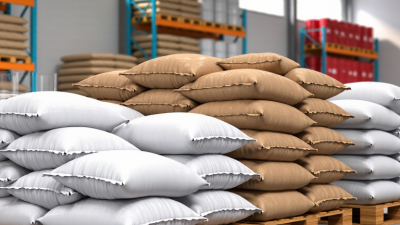
For global buyers in 2026, agriculture bags must match the crop, climate, and handling method.
Material choice affects shelf life, transport losses, and storage safety. Woven polypropylene bags offer strong tear resistance for grains, animal feed, and fertilizer. Their laminated surface improves moisture protection, although poor ventilation can trap condensation. High-density polyethylene bags provide flexible, durable packaging for heavier products and repeated handling.
Jute bags remain useful for coffee, seeds, and selected produce because their natural fibers allow airflow. They can absorb moisture, however, so dry storage is essential. Paper bags suit seeds, flour, and dry soil products when clean stacking matters. Multi-wall construction adds strength, while an inner liner helps resist humidity. Mesh bags work well for onions, potatoes, and citrus because air moves freely around the produce. Freshness depends on airflow.
Large woven bulk bags reduce handling time for grain and agricultural minerals. They need reinforced lifting loops, reliable stitching, and a suitable load rating. Field inspections should check seams, fabric damage, odor, and moisture before filling. Weight matters. UV exposure can weaken untreated plastic during outdoor storage. Testing under local heat and humidity is better than trusting a general product description. No bag is perfect. A breathable design may protect fresh produce but fail against rain, while a sealed bag may preserve dry goods yet encourage mold after temperature changes.
Selecting agriculture bags requires more than comparing quoted prices. A suitable bag must match the crop, filling method, storage period, and transport route. Check fabric strength, seam quality, closure design, and moisture resistance with documented specifications. For grain, fertilizer, seeds, or produce, capacity and load stability can differ significantly. A bag that performs well in a dry warehouse may fail during humid ocean transport.
Ask suppliers for samples and test them under realistic conditions. Fill each sample with the intended weight, stack it, drag it briefly, and inspect every seam. Review UV resistance, ventilation, printing durability, and pallet compatibility. Request material details, production records, quality inspection reports, and export documents. Traceability matters when several factories or production batches are involved. A spreadsheet can look complete and still mislead.
Tips: Compare total landed cost, not only the unit price. Include packaging, testing, freight, duties, storage, and possible waste. Confirm dimensions after filling, because advertised measurements may not reflect actual working space. Ask whether recycled content affects strength or moisture performance. Small errors become expensive at container scale. One practical weakness is relying on supplier photos; they rarely show damaged corners, uneven seams, or difficult unloading. Independent pre-shipment inspection is often worth considering, especially for large orders.
Global buyers need agriculture bags that protect products across farms, ports, and warehouses. The strongest choices include woven polypropylene grain sacks, FIBCs, breathable mesh bags, jute sacks, paper multiwall bags, and hermetic storage bags. Produce bags, silage bags, fertilizer sacks, and lined bulk bags also serve specific crops. FAO data indicates that about 13 percent of food is lost between post-harvest handling and retail worldwide. Better packaging cannot solve every loss, but it can reduce moisture, pests, tearing, and contamination.
Material choice should match the cargo. Hermetic bags suit dry grains in humid regions, while mesh bags help onions, potatoes, and fresh roots breathe. FIBCs support efficient loading for seeds, feed, and other dry agricultural goods. Buyers should review seam strength, UV resistance, moisture barriers, food-contact documentation, and load ratings. ISO 21898 provides a useful reference for flexible intermediate bulk containers. Still, one bag rarely fits every supply chain. That assumption often creates avoidable costs.
Tips: Test samples with the actual crop, filling weight, stacking height, and transport route. Check bags after rain, vibration, and repeated handling. Confirm recycling instructions and local import requirements before ordering. A low price may look attractive, yet weak stitching or poor liners can damage an entire shipment. Check twice.
For global buyers, the best agriculture bag depends on the crop, route, and handling equipment. FAO’s 2023 agricultural loss data estimates that 13.2% of food is lost between harvest and retail worldwide. Bag performance therefore affects more than packaging costs. Woven polypropylene bags suit grains and animal feed. Mesh bags improve airflow for onions, potatoes, and fresh produce. Hermetic liners help reduce moisture and insect exposure during storage. Reusable bulk bags support mechanized loading. Details matter.
International sourcing starts with a written specification. Request fabric weight, seam design, load rating, moisture resistance, printing tolerance, and closure type. For flexible intermediate bulk containers, ISO 21898 provides relevant performance requirements. Independent tests should include drop resistance, compression strength, UV exposure, and stitching quality. I would not trust a glossy sample alone. That assumption can fail. Inspect production lots, not only pre-shipment samples. Keep photos and batch records for traceability.
Compare landed cost per protected tonne, not unit price. Freight, pallet space, import duties, rejected units, and warehouse losses can change the calculation. UNCTAD reports that maritime transport carries over 80% of world merchandise trade by volume, making container efficiency important. A lighter bag may lower freight costs, yet fail under rough handling. A stronger bag may cost more but prevent leakage and rework. Supplier audits, laboratory certificates, and small pilot orders create better evidence. Still, no test perfectly reproduces a humid port, crowded warehouse, or hurried unloading crew.
Copyright 2025 © Custom Packaging Products | All Rights Reserved