10 Best Forklift Bags for Global Buyers in 2026?
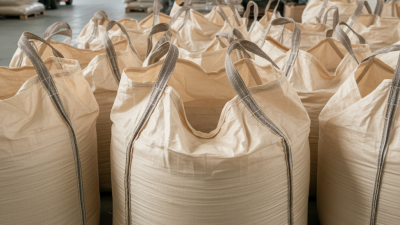
Choosing forklift bags for international purchasing is not just a price comparison. Buyers need to match bag construction to the load, handling method, and storage conditions. A woven bulk bag may suit dry materials, while a liner can help protect goods from moisture or dust. Details matter: check the safe working load, lifting-loop design, dimensions, stitching, and whether the bag fits your forklift attachments.
As an editorially created buying principle—not a verified interview—materials-handling adviser Daniel Mercer puts it this way: “A bag earns trust at its lift points, seams, and stated load rating.” Treat that as a reminder, not a substitute for supplier documentation. Ask for product specifications, inspection records, and a sample when practical. A glossy product photo cannot show how a seam behaves under repeated handling.
This guide compares ten options for global buyers in 2026, with attention to capacity, construction, customization, and supplier support. The best choice depends on your cargo and workflow. There is no universal winner. Even a well-rated bag can disappoint if its dimensions clash with a pallet or its loops do not suit the equipment. We also recognize a limitation: product claims can be hard to compare when suppliers use different test methods. Verify the details before ordering, and review each option against your actual operating needs.
Forklift Bags Explained: FIBC Types, Lifting Loops, and Typical Uses
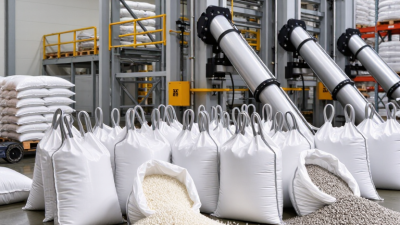
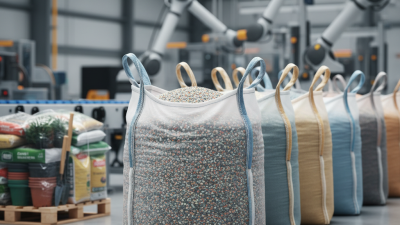
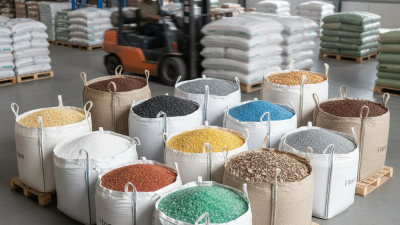
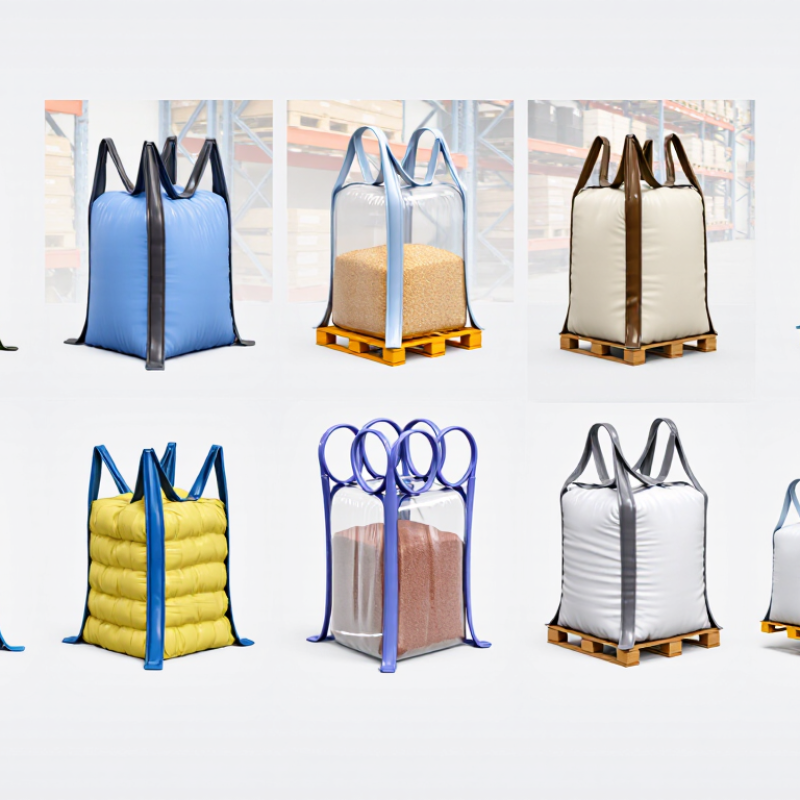
Forklift bags, often called FIBCs, move dry materials such as grain, resin pellets, and mineral powders. Their construction affects how they fill, stack, and lift. U-panel bags use joined fabric panels; circular bags use a woven body with fewer seams. Four-panel designs hold their shape well. Small details matter.
Lifting loops may sit at the corners, cross over the bag, or form sleeves for fork tines. Buyers should match loop length and spacing to the forklift carriage, then check the bag’s safe working load and safety factor on its label. ISO 21898:2004 specifies design and test requirements for FIBCs carrying non-dangerous goods. It is a useful reference, but it does not replace checking the actual bag and load.
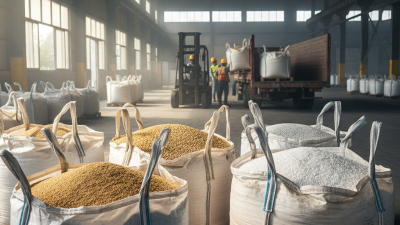
Typical uses include warehouse transfers, construction materials, and agricultural products. A Grand View Research market report valued the global FIBC market at about USD 5.2 billion in 2023 and projected a 6.5% compound annual growth rate from 2024 to 2030. That growth does not make every style suitable. Dusty powders may need a liner; damp storage may call for coated fabric. Not every loop fits. Buyers can overfocus on unit price and overlook forklift compatibility, a costly trade-off worth reconsidering.
Load Ratings: ISO 21898’s 5:1 and 6:1 FIBC Safety Factors
For forklift buyers, the safe working load (SWL) is the operating limit, not a target to exceed. ISO 21898:2004 sets FIBC safety factors of 5:1 for single-trip bags and 6:1 for multi-trip bags. In a simplified example, a bag rated at 1,000 kg is assessed against a 5,000 kg or 6,000 kg test load, depending on its design. That is a test basis, not permission to lift more. The standard’s figures matter. A higher ratio does not make an overloaded bag safe.
Check the bag’s label and test documentation before loading. Confirm its SWL, intended reuse, and lifting configuration match the job. On a forklift, the loops should sit correctly on the forks; forks should never pierce or support the fabric body. A clean warehouse floor can still hide sharp edges, and worn loops are easy to miss. ISO testing cannot cancel out damage, poor handling, or repeated use beyond the bag’s design. One detail is easy to overlook: a “6:1” marking alone does not prove that a bag suits your task. Ask for the test report and inspect the actual bag.
Compare 10 Forklift Bag Designs by Capacity, Fabric, and Discharge Type
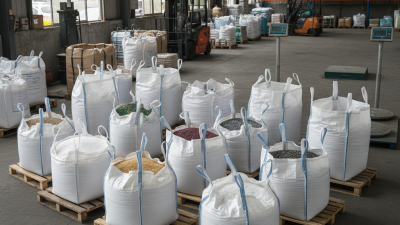
A forklift bag must match the material, lift points, and unloading setup—not just the stated capacity. Compare ten common designs: four-loop bags for steady lifting; two-loop bags for simpler handling; single-loop and cross-corner bags for different sling arrangements; coated and uncoated woven-polypropylene bags for moisture exposure; ventilated bags for airflow; liner-equipped bags for added containment; flat-bottom bags for controlled placement; and spout-bottom bags for metered discharge. These are design categories, not interchangeable specifications. Check safe working load, fabric weight, seam construction, and forklift tine spacing on the actual product sheet.
Capacity varies by supplier and application, so avoid treating a catalog range as a guarantee. ISO 21898 sets requirements and test methods for flexible intermediate bulk containers, including lifting and stacking performance. For discharge, a bottom spout can guide flow into a hopper, while a full-open bottom releases material faster but needs a clear receiving area. Details matter. A narrow spout may bridge with some materials; fabric choice alone cannot prevent it.
Forklift handling deserves equal attention. OSHA reports an estimated 85 forklift-related fatalities and 34,900 serious injuries each year in the United States. That figure is not specific to bag handling, but it underlines the need for stable loads, visible lift loops, and trained operators. I would compare each bag against the intended load and discharge point, then verify its rating with the supplier. A tidy specification sheet can still leave practical questions unanswered.
10 Forklift Bag Design Profiles for Global Buyers in 2026
Indicative safe working load (SWL) and fabric basis weight by bag design and discharge style
These are representative design profiles, not rankings or specifications for particular products. FIBC designs commonly cover SWLs from about 500 to 2,000 kg; fabric weight and discharge options vary by construction and application. Confirm the rated SWL, fabric specification, lifting configuration, and discharge design with the supplier before use.
Global Compliance: Check UN Packaging Codes and Destination-Market Rules
A forklift bag is not automatically suitable for every export route. UN packaging codes apply when the bag is approved for a specific regulated dangerous-goods use; many ordinary cargo bags do not require one. Check the exact code against the product, packaging design, closure, and intended contents. The printed mark alone is not enough. Request current test documentation and confirm that the bag’s rated capacity and handling instructions match your shipment. Small details matter.
Destination rules can add requirements for labels, language, traceability, import records, or packaging materials. Check them before loading, not after the bags reach port. A liner or closure change may affect whether an approval still applies, so ask the supplier for written confirmation. For regulated goods, have a qualified compliance professional review the classification and route-specific documents. For routine cargo, confirm local packaging and recycling rules instead. Requirements can differ between markets, and guidance may change. I would not assume a previous shipment proves the next one is compliant. Keep a copy of the approval, test report, and final bag specification with the shipping file.
2026 Buyer Scorecard: Verify SWL, Dimensions, Test Reports, and Supplier Claims
A 2026 buyer scorecard should start with the stated safe working load, or SWL. Check that it applies to the complete forklift bag, not just its fabric or lifting loops. Ask how the rating was established and whether it assumes an even load. Write down the bag’s internal dimensions, fork-pocket spacing, pocket height, and entry clearance. Measure your actual forks. A few centimetres can matter.
Request test reports tied to the exact model and construction being quoted. Check the report date, test method, sample identification, and issuing laboratory. A generic certificate may say little about the bag you will receive. Confirm whether seams, loops, and fork pockets were included in testing. Keep the report with the quotation. Paperwork is useful, but it is not the whole picture.
Supplier claims deserve practical questions. Ask for a drawing with tolerances, material details, inspection criteria, and batch traceability. Clarify whether the quoted SWL changes with load shape or handling conditions. Compare written answers with a sample or pre-shipment inspection plan. Even tidy documents can miss a weak seam or awkward pocket fit; that gap deserves attention. I would not treat a confident sales reply as evidence by itself. Check the details.