10 Best PP Jumbo Bags Manufacturers for Global Buyers

Choosing among the 10 best pp jumbo bags manufacturers takes more than comparing prices. Global buyers need bags that match their product, filling method, lifting equipment, and shipping conditions. A bulk bag holding fine resin may need different fabric, seams, and liner options than one carrying mineral granules. The details matter: lifting loops must suit the handling system, and dimensions should fit the filling line and warehouse space. Small mismatches can slow operations or create avoidable product loss.

A useful sourcing principle is simple: “Specify the load, handling method, and storage conditions before comparing suppliers.” This is original editorial wording, not a verified quotation, so it should not be attributed to a named expert without a reliable source. That distinction matters. Supplier claims, test reports, and certifications also deserve careful checking. Ask for clear specifications and samples where appropriate. Then compare production capacity, quality controls, customization, lead times, and communication—not just catalog photos.

There is no single best supplier for every buyer. A manufacturer suited to food-grade packaging may not be the right fit for abrasive materials or frequent outdoor storage. And specifications can still miss real-world details; a trial order may reveal them. This guide introduces manufacturers for global buyers and highlights practical points to assess before requesting a quotation. The aim is a better-informed shortlist, not a promise that one supplier fits every operation.
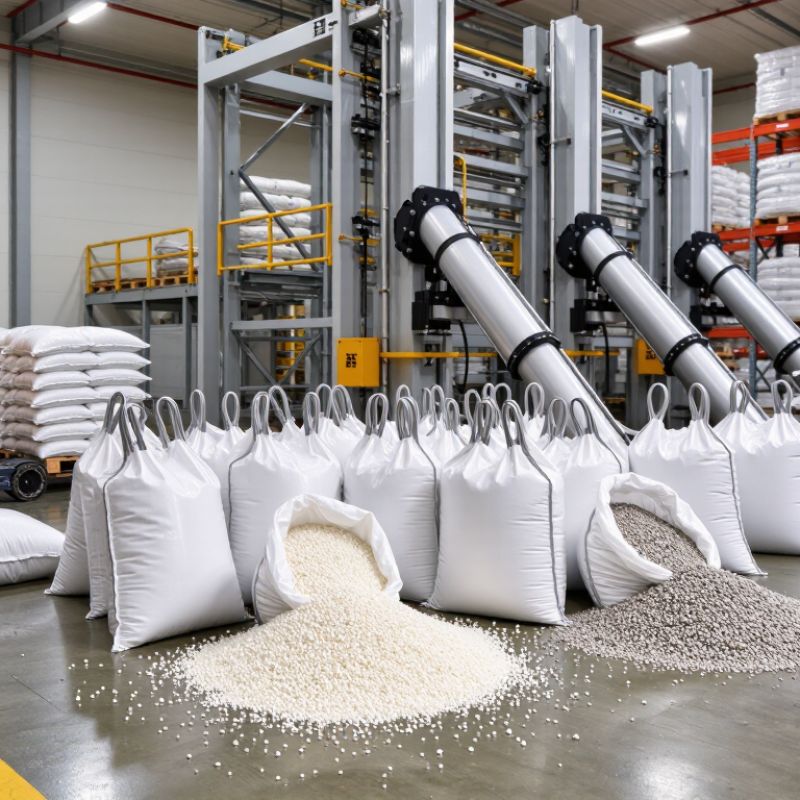
10 Best PP Jumbo Bags Manufacturers for Global Buyers

PP Jumbo Bags Explained: FIBCs Commonly Handle 500–2,000 kg Loads

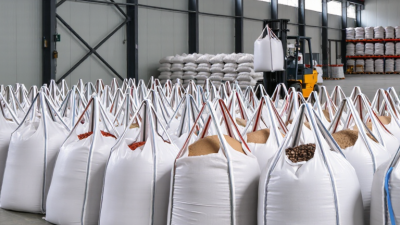
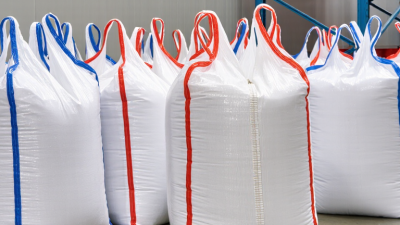
PP jumbo bags, or flexible intermediate bulk containers (FIBCs), commonly carry rated loads from 500 to 2,000 kg. That range is not a guarantee for every bag. Capacity depends on fabric strength, lifting loops, seams, and filling conditions. A 1,000 kg rating means the bag is designed for that working load, not that it should routinely be overloaded. Check the sewn label and technical specification before selecting a size.

ISO 21898:2004 sets performance and test requirements for FIBCs. It specifies safety factors commonly expressed as 5:1 for single-trip bags and 6:1 for multi-trip designs. These ratios concern design testing; they do not increase the stated safe working load. For example, a 1,000 kg-rated bag is still limited to 1,000 kg in use. Keep the load centered, lift from all designated loops, and avoid sharp pallet edges. Small details matter. In practice, handling damage can be easy to miss.

Tips: Check the safe working load, bag condition, and lifting instructions before each use. Do not assume two bags with similar dimensions have the same rating.
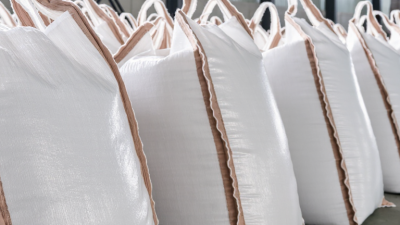
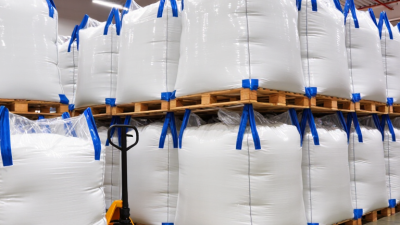
ISO 21898:2004: FIBC Testing and 5:1 or 6:1 Safety Factors

For global buyers, a jumbo bag’s safe working load is only part of the specification. ISO 21898:2004 sets requirements for flexible intermediate bulk containers intended for non-dangerous goods. It covers design and performance checks, including lifting and stacking tests. Test details matter. A bag may look sturdy on a warehouse floor, yet behave differently when lifted by all four loops with a shifting load inside.

Safety factors of 5:1 and 6:1 describe the relationship between a bag’s rated working load and its test load. A 1,000-kilogram bag with a 5:1 factor is tested at a higher load under specified conditions; that does not permit routine loading above 1,000 kilograms. A 6:1 factor is often associated with reusable bags, while 5:1 is commonly used for single-trip designs. Confirm the intended use and qualification documents rather than relying on a label alone.

Ask manufacturers for test reports, the stated safe working load, and clear instructions for filling, lifting, and storage. Check whether testing applies to the exact bag construction, including fabric, seams, loops, and liner where fitted. Small changes can matter. Certification also has limits: rough handling, moisture, sharp contents, or repeated use may affect performance. This is not always obvious from a sample inspection. Safety factors help compare designs, but they cannot replace practical handling controls.

How to Assess Manufacturers: Quality Control, Capacity, and Export Reach

Selecting a PP jumbo bag manufacturer requires more than comparing unit prices. Ask how fabric weight, seam strength, and dimensions are checked during production. A useful quality plan includes incoming-material inspections, in-process checks, and finished-bag sampling. Request recent test records, then confirm they match the bag specification you need. Look closely at stitching and lifting loops. Small inconsistencies can matter when bags are filled and handled repeatedly.

Capacity should be verified against your order size and delivery window. Ask about production lines, normal monthly output, and peak-season lead times. A large stated capacity may not mean your order gets priority. Discuss backup plans for machine maintenance or material delays. Export experience matters, too. Check whether the manufacturer can prepare clear packing lists, shipping marks, and the documents your freight partner requests. Ask for references from buyers with similar order volumes or destinations.

Tips: Request a pre-production sample and approve it in writing. Compare the delivered batch with that sample. If possible, arrange an independent inspection before shipment. It costs time, and it may feel excessive for a small order. Still, one overlooked detail, such as a weak loop seam or incorrect dimensions, can create costly delays. Keep specifications specific, but allow room to review and improve them after the first shipment.

10 Best PP Jumbo Bags Manufacturers: Products and Global Market Coverage

When comparing the 10 best PP jumbo bag manufacturers, focus on product fit and market reach, not price alone. Product options may include coated or uncoated fabric, liners, different lifting-loop designs, and discharge spouts. Each feature affects filling, storage, and unloading. Details matter. Request fabric specifications, dimensions, safe working load, stitching details, and inspection records. A filled-bag trial can reveal awkward handling or poor stacking that a product sheet may not show.

Tips: Send suppliers a clear packing brief. Include the material, target capacity, filling method, storage conditions, and destination. Ask for a sample and confirm production lead times before placing a large order.

Global coverage is more than a list of shipping destinations. Check whether a manufacturer can explain export packaging, order communication, and shipment scheduling for your region. Ask how it manages repeat orders and specification changes. These points help buyers compare suppliers consistently across markets. Still, a detailed specification cannot predict every handling problem; confirm fit with your own equipment and workflow.

Buyer Checklist: Match Safe Working Load, Liners, Coatings, and Certifications

When comparing PP jumbo bag manufacturers, begin with the safe working load (SWL) required for your product and handling method. A bag lifted by its top loops faces different demands from one moved on a pallet. Check the rated SWL, design safety factor, and lifting instructions on the technical documents. Do not treat breaking strength as usable capacity. That distinction is easy to miss.

Tips: Send suppliers the filled bag’s weight, dimensions, filling method, and storage conditions. Ask whether the liner is loose or attached, and confirm its material and thickness. For fine powders or moisture-sensitive goods, test a sample under realistic conditions. Small details matter.

Coatings can help limit moisture and dust, but they do not make every bag waterproof. Match the coating to transport and storage exposure. Request current test reports and relevant certifications, then verify that they cover the bag type and intended use. A certificate alone may not answer every question. Compare samples, inspect seams and loop stitching, and record agreed specifications before ordering. Even careful checks can miss something, so leave room for a practical trial.

10 Best PP Jumbo Bag Manufacturers for Global Buyers – Buyer Checklist: Match Safe Working Load, Liners, Coatings, and Certifications
Shortlist profile Typical application SWL to evaluate Safety factor to confirm Liner / coating options to specify Documents and checks for buyers
01 · General-purpose FIBC producer Dry, free-flowing minerals and industrial materials Common design range: 500–2,000 kg; match to product and handling system Typically 5:1 for single-trip bags; confirm the specified design Optional PE liner; coated or uncoated woven PP fabric Request a specification sheet, traceability details, and applicable test reports
02 · Food-contact packaging specialist Food ingredients and other dry goods requiring controlled packaging Select by filled weight, bulk density, and lifting method; often within 500–2,000 kg Confirm bag design and intended number of trips Food-contact-suitable liner where required; define coating and closure requirements Request applicable food-contact declarations, hygiene controls, and batch traceability; requirements vary by destination market
03 · Fine-powder packaging specialist Fine powders that may sift through seams or fabric Set from the filled product weight and handling conditions; verify by sample testing Specify single-trip or multi-trip use and require matching test evidence Consider a fitted liner, sift-resistant seams, and coated fabric where appropriate Check seam construction, liner fit, closure design, and product compatibility
04 · Moisture-protection bag producer Materials needing added protection from moisture during storage or transit Choose the rated capacity for the load; do not treat a coating as a waterproof guarantee Confirm the safety factor and intended reuse status Coated PP fabric and/or a PE liner; define closure and moisture-barrier needs Request test methods and performance evidence for the specific moisture-protection claim
05 · Conductive / static-control FIBC specialist Powders or granules handled where electrostatic hazards must be assessed Set from payload and handling design; capacity alone does not establish safe use Confirm bag type, use conditions, and testing against the applicable standard Specify the required conductive or static-dissipative construction; liner must be compatible Request classification and test documentation; conduct a site-specific hazard assessment
06 · UN-packaging-qualified supplier Dangerous goods only when the product, packaging, and transport rules require it Use the capacity and packaging configuration covered by the applicable approval Verify the required design type and current test/approval scope Liner and coating must be included in, or compatible with, the approved configuration Check the UN marking, approval documents, and destination-specific dangerous-goods rules; UN marking is not a general quality certificate
07 · Multi-trip FIBC specialist Operations designed for controlled reuse and inspection between trips Set the rated load for the intended filling and lifting process Often specified as 6:1 for multi-trip designs; confirm applicable standard and conditions Choose liner and coating based on product compatibility, cleaning, and reuse plan Request cycle-test evidence, inspection criteria, and clear discard instructions
08 · Baffle-bag design specialist Loads where improved shape retention and container or truck space use are priorities Match rated capacity to the filled mass and equipment limits Confirm the safety factor for the exact bag construction Optional liner and coating; confirm baffle openings and product flow requirements Ask for filled-bag dimensions, loading/discharge drawings, and trial samples
09 · Ventilated FIBC specialist Selected agricultural or moisture-sensitive products requiring airflow Determine from the actual product load and handling conditions Verify the design rating; ventilation does not change the need for rated lifting capacity Usually prioritize breathable fabric; avoid liners or coatings unless airflow needs are assessed Check ventilation layout, product suitability, and protection needed during storage and transport
10 · Custom-size / export-packaging producer Non-standard filling equipment, pallet layouts, or export logistics Specify SWL in the purchase order and verify against the final design State single-trip or multi-trip use and require supporting test records Choose liner, coating, top, bottom, and discharge features to suit the process Approve drawings and pre-production samples; verify applicable market and shipping requirements
Buyer note: These are generic supplier profiles and indicative screening criteria, not verified rankings or claims about specific manufacturers. FIBC capacity, safety factor, liner, coating, and certification must be confirmed for the exact bag design and intended use. ISO 9001 certifies a quality-management system, not the performance of an individual bag. Request current certificates, scope, test reports, samples, and written confirmation before purchase.