What Are the Best FIBC Bags from China?
What are the best FIBC bags from China? The answer depends on your cargo, filling method, storage conditions, and delivery requirements. There is no single bag that suits every industry.
Reliable Chinese manufacturers produce FIBC bags for grains, powders, minerals, chemicals, and construction materials. A common 90 × 90 × 110 centimeter bag may carry 1,000 kilograms, but its safe working load must be verified. The fabric weight, lifting loops, discharge spout, liner, and seam design all affect performance. Small details matter. A weak seam can create serious handling problems.
Experienced buyers should inspect more than product photographs. Ask for technical drawings, material specifications, load test reports, and batch traceability records. Factory audits can reveal whether production matches the supplier’s promises. Check stitching quality, fabric uniformity, printing accuracy, and moisture protection. UV treatment may be necessary for outdoor storage. A polyethylene liner can help protect fine powders from humidity and contamination.
Certifications support trust, but they do not replace practical verification. Requirements may differ by destination, cargo type, and transport method. Confirm compliance with current local standards before ordering. Samples are useful, although one sample cannot prove every production batch will perform equally.
The best FIBC bags from China combine suitable design, stable quality, clear documentation, and responsive technical support. Price remains important, but the cheapest offer may hide thinner fabric or weaker quality control. That deserves reflection. A careful comparison should consider total cost, including filling efficiency, product loss, rejected bags, and delivery reliability. Reliable sourcing takes evidence, not assumptions.
What Are FIBC Bags and Why Source Them from China?
What Are FIBC Bags and Why Source Them from China?
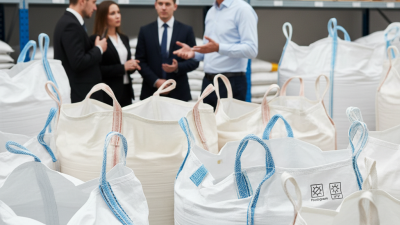
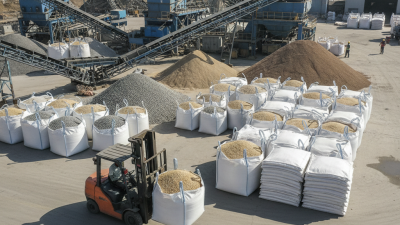
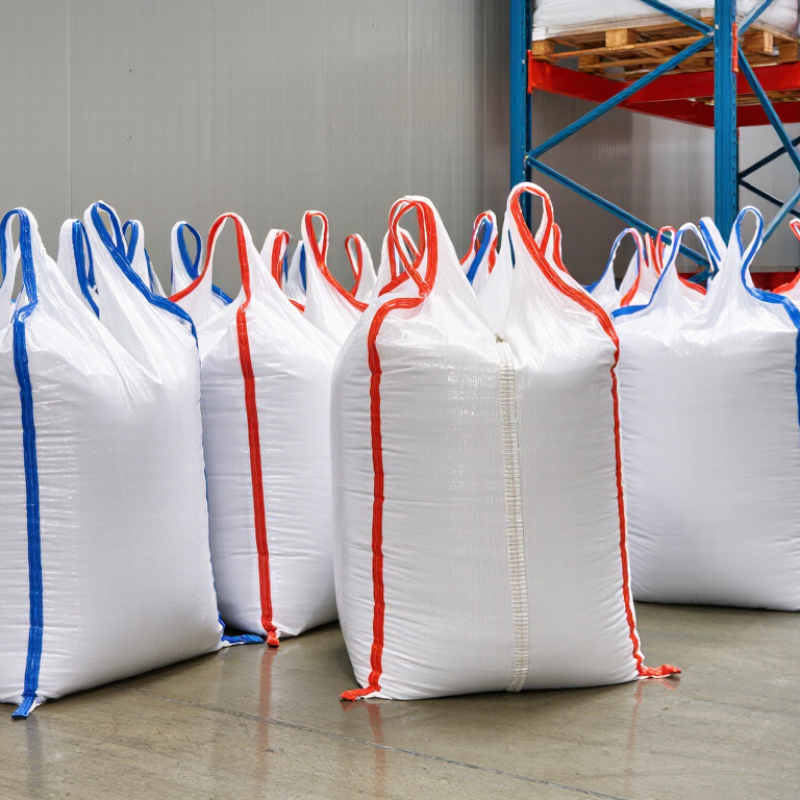
FIBC bags are flexible intermediate bulk containers made from woven polypropylene fabric. They commonly carry powders, granules, minerals, agricultural materials, and construction products.
A standard bag often holds 500 to 2,000 kilograms. Its lifting loops, discharge spout, liner, and fabric strength must match the cargo and handling system.
The market is expanding steadily. Grand View Research estimates the global FIBC market will grow at roughly 6% annually through 2030. China remains a major sourcing base because its textile, plastics, printing, and sewing supply chains operate close together.
This structure can support custom dimensions, coated fabrics, liners, and small design changes. Better coordination can also reduce production delays. Sometimes, the lowest quote creates the highest risk.
Professional buyers should request fabric test results, safe working load data, and batch traceability. ISO 21898 provides important requirements for packaging used with non-dangerous bulk materials.
Factory audits should examine stitching, loop attachment, fabric weight, cleanliness, and moisture protection. A sample may look excellent while hidden seam strength remains weak. That deserves attention.
China sourcing works best with clear specifications and independent inspection. Do not judge quality by photographs alone. Ask for production samples, loading tests, and corrective-action records.
Reports from the International Trade Centre also show China’s strong position in manufactured goods exports, but export scale does not guarantee every supplier’s consistency. That is the uncomfortable part. Careful verification still matters.
What Quality Standards Should Chinese FIBC Bags Meet?
Chinese FIBC bags should meet ISO 21898:2004, which covers design, construction, testing, and marking for non-dangerous bulk materials. The standard does not replace buyer inspections. It sets a foundation. In practical factory audits, inspectors should verify fabric weight, seam strength, lifting-loop alignment, and liner fit. FIBCA technical guidance commonly references 5:1 and 6:1 safety factors for reusable and one-trip bags. A 1,000-kilogram safe working load therefore needs controlled testing, not a printed promise. Ask for laboratory results showing load testing, drop testing, and top-lift performance.
Material traceability matters. Each production lot should connect to polypropylene records, weaving settings, sewing operators, and final inspection sheets. ISO 21898 also requires clear markings, including safe working load, handling instructions, and bag identification. For sensitive powders, electrostatic control should follow recognized electrostatic-safety practices, with grounding details documented. Moisture resistance deserves attention too. A thin liner may look acceptable but fail around a sharp filling nozzle. That detail is easy to miss.
The best suppliers provide retained samples and corrective-action records. Independent laboratory testing adds credibility, especially when export specifications differ. Still, certificates can become outdated. Buyers should check issue dates, test methods, and sample numbers. Factory experience shows that inconsistent stitching often appears after production speed increases. This is not always visible during a quick visit. A reliable inspection plan combines document review, physical measurement, and random bag testing. Some weaknesses remain unpredictable. That is why acceptance limits must be agreed before shipment.
How to Select a Reliable FIBC Bag Manufacturer in China
What Are the Best FIBC Bags from China?
Selecting a reliable FIBC bag manufacturer requires more than comparing online prices. Start by checking the factory’s production experience, material controls, and quality records. Ask where polypropylene resin is sourced and how each batch is traced. A dependable supplier should provide clear specifications for bag size, safe working load, safety factor, fabric weight, and lifting-loop design. Request recent test reports for seam strength, drop performance, and ultraviolet resistance. Generic documents are not enough.
Visit the factory when possible, or arrange a live video inspection. Look closely at weaving machines, sewing lines, storage areas, and finished-bag inspections. Clean storage matters because moisture and dust can affect bag performance. Ask for a sample made with the same fabric and stitching as your order. Test it with a controlled load, not just an empty visual check. A polished brochure can still hide weak process control. This is where careful buyers sometimes become too trusting.
Tips: Confirm whether the manufacturer can meet your intended industry requirements, including food-contact or hazardous-material packaging rules where applicable. Check how complaints, replacements, and production delays are handled in writing. Compare at least three factories, but do not reward the lowest quote automatically. A cheaper bag may use thinner fabric or fewer inspections. Keep approved samples, drawings, and test results with the purchase agreement. No checklist is perfect. Leave room for independent inspection before shipment.