Global buyers entering 2026 need more than a low quote for bulk packaging. They need the right pp jumbo bags for product weight, filling equipment, storage conditions, and transport routes. A bag used for dry minerals may require a different design from one used for food-grade powders or agricultural materials. Small specification errors can create serious handling problems.
This guide examines the top types of PP jumbo bags available to international buyers. It considers construction, lifting loops, discharge options, liners, closures, and load capacity. It also explains where each design performs best. A four-loop bag may suit standard warehouse handling, while a baffle bag can improve pallet stability in narrow containers. Ventilated fabric may help selected agricultural products breathe during storage.
Details matter. Very much.
Experienced buyers should check fabric strength, seam quality, safety factors, and supplier inspection records. Food-contact applications also require appropriate documentation and controlled production practices. Local import rules, customer requirements, and transport conditions still need confirmation before ordering. No single bag design fits every market.
Some choices remain easy to underestimate. A lower-cost bag can become expensive after leakage, poor stacking, or difficult discharge. Samples, test filling, and clear technical drawings reduce that risk. Supplier claims should be compared with measurable evidence, not attractive wording alone. This introduction provides a practical starting point for evaluating reliable pp jumbo bags in 2026. It also leaves room for reflection, because packaging decisions sometimes look efficient on paper but perform differently in real warehouses.
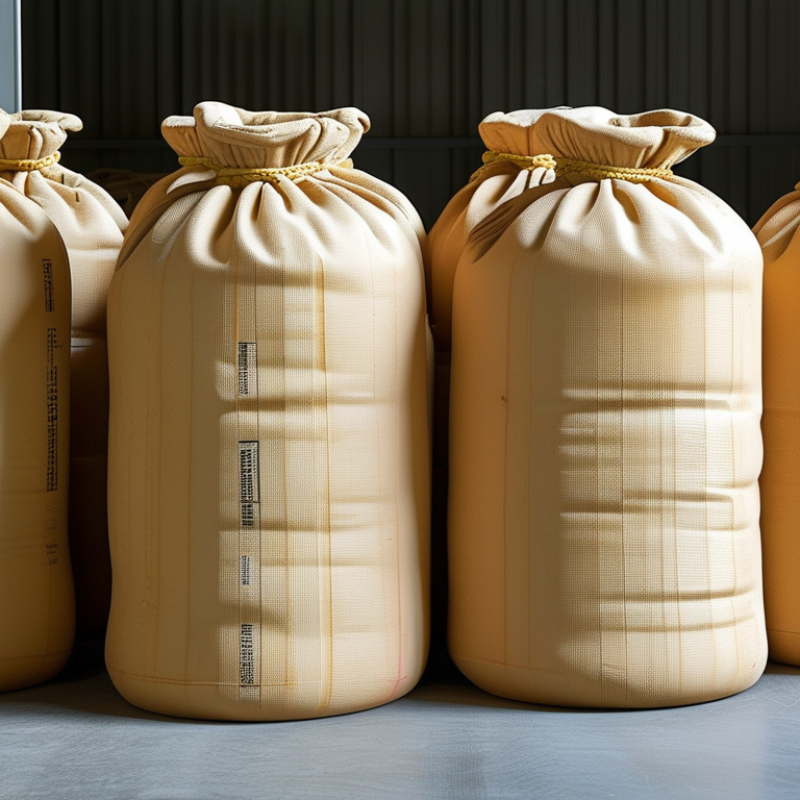
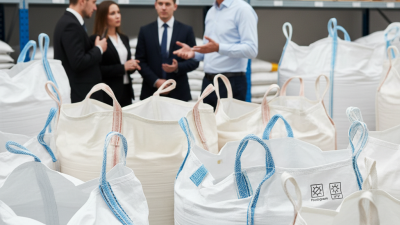
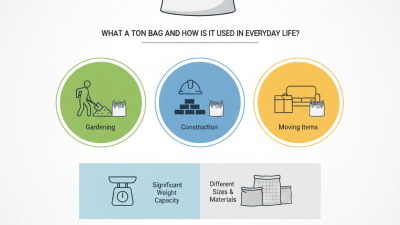
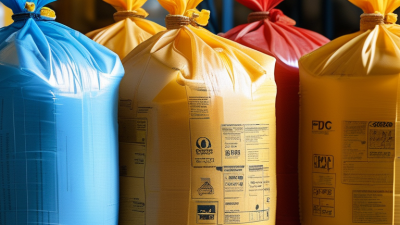
PP jumbo bags are large, flexible containers made from woven polypropylene fabric. They are also called FIBCs, or flexible intermediate bulk containers. Common models hold about 500 to 2,000 kilograms, depending on design, material density, and lifting requirements. Their four lifting loops allow forklifts, cranes, or filling frames to move loaded bags safely. Some include liners, coated fabric, discharge spouts, or sift-proof seams.
Global buyers use them for powders, granules, agricultural materials, minerals, and other permitted bulk goods. They reduce manual handling and often need less storage space than rigid containers. A flat empty bag can be folded and stacked. This matters when shipping costs are high. Moisture protection also matters. A coated bag or fitted liner can help, but neither option replaces proper warehouse control.
Choose the bag by safe working load, safety factor, fabric construction, and filling method. Ask for test records and clear handling instructions. Inspect seams, loops, and spouts before use. A bag may look strong and still fail after poor stitching or repeated exposure to sunlight. Keep it dry. Fit matters. Buyers sometimes focus only on price, which is a costly shortcut. Product density, discharge speed, and pallet dimensions should guide the final specification. Requirements can differ by country, so independent compliance checks remain important.
2026 Top Types of PP Jumbo Bags for Global Buyers
Main PP Jumbo Bag Types by Design, Capacity, and Application
PP jumbo bags differ mainly in construction, load rating, and filling method. Four-panel bags provide stable walls and suit powders, granules, and mineral materials. U-panel designs offer efficient production and reliable stacking for many industrial loads. Circular bags create a rounded shape, which can reduce unused space during filling. Baffle bags use internal fabric panels to maintain a square profile. They are useful when warehouse space is limited. Capacity changes everything.
Most standard bags carry between 500 and 2,000 kilograms, but buyers should confirm the safe working load before ordering. A 5:1 safety factor may suit normal single-trip handling, while repeated use often requires stricter specifications. Lifting loops, discharge spouts, filling inlets, and liners must match the handling equipment. Small details matter. A narrow spout can slow production and increase material loss.
Application conditions should guide the fabric choice. Coated PP fabric helps resist surface moisture, while an inner liner can protect fine or hygroscopic products. Ventilated designs support agricultural goods that need airflow. Food-contact applications require documented material controls and clean manufacturing procedures. Construction materials may need stronger seams and abrasion resistance. In practical inspections, stitching quality often reveals more than appearance. A bright, neat bag is not automatically a dependable one. Buyers should request test reports, inspect sample bags, and confirm dimensions before approving mass production. Even experienced purchasing teams can overlook pallet height or forklift clearance. That mistake can become expensive.
| PP Jumbo Bag Type | Main Design and Construction | Typical Capacity | Typical Safe Working Load | Common Filling and Discharge Options | Typical Applications | Selection Considerations |
|---|---|---|---|---|---|---|
| U-Panel FIBC | Two main fabric panels joined to a base panel, forming a strong U-shaped body with four vertical seams. | 500–2,000 L Approximately 300–1,500 kg, depending on product density and construction. |
Commonly 500–2,000 kg with a specified safety factor, often 5:1 for single-trip use or 6:1 for reusable designs. | Top spout, duffle top, or open top; bottom spout, plain base, or discharge flap. | Minerals, chemicals, agricultural products, construction materials, food ingredients, and plastic granules. | Good general-purpose strength and efficient use of fabric; seam quality and load distribution are important. |
| Four-Panel FIBC | Four separate woven polypropylene panels sewn together to create a rectangular or square body. | 500–2,000 L Approximately 300–1,500 kg. |
Commonly 500–2,000 kg, subject to fabric weight, lifting-loop design, and certification. | Open or fitted top; spout or flap discharge; optional liner and sift-proof seams. | Powders, granules, seeds, feed ingredients, pigments, and industrial raw materials. | Provides a stable square shape and can be customized with printing, liners, and internal fittings. |
| Circular Woven FIBC | Body made from circular woven polypropylene fabric, usually with fewer vertical seams and a tubular construction. | 500–2,000 L Approximately 300–1,500 kg. |
Commonly 500–2,000 kg, depending on fabric specification and lifting configuration. | Top inlet spout, open top, or duffle top; bottom discharge spout or flap. | Fine powders, cementitious products, chemicals, minerals, and products requiring reduced seam exposure. | Fewer body seams can help limit leakage paths; the round body may require shaping features for improved pallet stability. |
| Baffle FIBC | Internal polypropylene baffles are sewn across the corners to retain a squarer shape after filling. | 500–2,000 L Approximately 400–1,500 kg. |
Commonly 500–2,000 kg, based on the complete bag design and tested working load. | Top spout or open top; bottom spout, flap, or full-bottom discharge design. | Warehouse storage, container loading, transport of powders, granules, and products requiring high volume efficiency. | Improves cubic utilization and pallet stability; internal baffles may reduce effective discharge flow if not properly designed. |
| Conductive Type C FIBC | Conductive threads or interconnected conductive elements are incorporated into the fabric and must be electrically grounded during handling. | 500–2,000 L Approximately 300–1,500 kg. |
Commonly 500–1,500 kg, with electrical performance verified according to the intended design. | Spout or open top; discharge spout or flap; conductive grounding tab or grounding point. | Flammable powders, combustible dust environments, chemicals, pharmaceuticals, and solvent-related materials. | Requires a reliable grounding procedure; must not be used if grounding continuity cannot be confirmed. |
| Dissipative Type D FIBC | Uses static-dissipative or antistatic fabric designed to control electrostatic discharge without a separate grounding connection. | 500–2,000 L Approximately 300–1,500 kg. |
Commonly 500–1,500 kg, subject to design testing and site-specific risk assessment. | Open or spouted top; standard discharge spout or flap; optional liner. | Combustible powders and sensitive industrial materials where grounding points are difficult to manage. | Performance depends on fabric condition, humidity, contamination, and the surrounding hazardous-area requirements. |
| Ventilated FIBC | Woven polypropylene body with ventilation strips, mesh sections, or breathable panels to improve air circulation. | 500–1,500 L Approximately 250–1,200 kg. |
Commonly 500–1,500 kg, depending on the proportion and placement of ventilated fabric. | Open top or duffle top; bottom discharge spout, flap, or plain base. | Firewood, agricultural produce, potatoes, onions, logs, biomass, and products requiring airflow. | Ventilation helps reduce moisture accumulation but does not make the bag waterproof or suitable for fine powders. |
| Food-Grade FIBC | Manufactured from controlled raw materials with clean production, suitable packaging components, and optional food-contact liner. | 500–2,000 L Approximately 300–1,500 kg. |
Commonly 500–1,500 kg, depending on the bag construction and handling requirements. | Fitted top spout, duffle top, or open top; hygienic discharge spout; PE or PP liner when required. | Flour, sugar, starch, grains, milk powders, additives, seeds, and other dry food ingredients. | Food-contact suitability, cleanliness, odor control, traceability, and contamination prevention should be verified before purchase. |
| Pharmaceutical-Grade FIBC | Cleanroom-produced or specially controlled bag using low-lint fabric, high cleanliness standards, and carefully selected components. | 500–1,500 L Approximately 300–1,200 kg. |
Commonly 500–1,200 kg, based on handling equipment and validated packaging design. | Closed filling spout, aseptic-style configuration where required, and controlled discharge spout. | Active ingredients, excipients, intermediates, medical-grade powders, and sensitive chemical products. | Requires documented cleaning, inspection, packaging, and traceability procedures; technical specifications should be agreed in advance. |
| UN-Certified FIBC | FIBC tested and marked for the applicable United Nations packaging requirements for certain dangerous goods. | 500–1,500 L Capacity is determined by the certified design and the packaged substance. |
Often 500–1,500 kg, but the allowable load must follow the specific certification and test report. | Top and bottom closures selected according to the substance, leakage-control needs, and certification scope. | Selected hazardous powders, chemical substances, and regulated dangerous goods. | Certification is product- and design-specific; check the UN marking, packing group, filling method, closure system, and transport regulations. |
| Linered FIBC | Standard woven PP outer body fitted with a loose or form-fitted polyethylene or polypropylene liner. | 500–2,000 L Approximately 300–1,500 kg. |
Commonly 500–1,500 kg; the liner normally supports containment but does not replace structural load-bearing fabric. | Top and bottom spouts can be tied, heat-sealed, or integrated with the liner; optional sift-proof seams. | Fine powders, hygroscopic materials, food ingredients, pigments, resins, and products needing improved moisture or leakage control. | Improves barrier performance and cleanliness; liner fit, electrostatic behavior, and discharge efficiency should be evaluated. |
| Circular Economy / Reusable FIBC | Designed with reinforced fabric, durable lifting loops, and a tested construction for repeated handling where permitted. | 500–2,000 L Approximately 300–1,500 kg. |
Commonly 500–2,000 kg; reuse is allowed only when inspection and applicable certification requirements are met. | Reusable top and bottom closures, replaceable liners, and reinforced lifting arrangements may be specified. | Closed-loop industrial logistics, reusable raw-material transport, agriculture, recycling, and internal factory handling. | Requires documented inspection, cleaning, repair, and service-life controls; not every FIBC is suitable for reuse. |

Polypropylene remains the core material for most jumbo bags because it is light, strong, and moisture resistant. PlasticsEurope reports that PP has a density of about 0.90–0.91 g/cm³, helping reduce packaging weight. That matters during repeated lifting and warehouse handling. However, PP is not automatically suitable for every load.
The construction decides performance. Woven PP tapes form the body, while denier, fabric density, coating, and seam design control strength. According to ISO 21898, FIBCs require defined testing for safe working load, stacking, lifting, and drop resistance. A 2024 market assessment by Grand View Research valued the global FIBC market at more than 6 billion US dollars. It also identified industrial and agricultural applications as major demand areas.
Small details matter. Cross-corner loops improve forklift access. Four-loop designs often suit standard warehouse movement. A liner can reduce powder leakage, but it may increase heat retention and disposal concerns. Baffles help the bag keep a squarer shape. They also complicate filling and cleaning.
Not every “heavy-duty” bag performs equally. That label can mislead. Buyers should check the safety factor, fabric weight, seam inspection records, and actual load testing. In practice, poor stitching can defeat excellent PP fabric. Some specifications still overlook ultraviolet exposure during outdoor storage. That is a gap worth questioning.
Selecting a PP jumbo bag starts with the cargo, not the advertised capacity. UNCTAD’s Review of Maritime Transport 2024 states that ships carry over 80% of world merchandise trade by volume. That exposure makes moisture, compression, and handling choices commercially important. For dense minerals, choose a four-loop bag with a tested safe working load and stable base. For powders, use sift-proof seams and a suitable liner. Small gaps matter. For hygroscopic cargo, coated fabric or a sealed liner can reduce moisture entry, but neither replaces dry storage.
Cargo flow matters too. A discharge spout suits controlled unloading, while a full-open base supports faster emptying. Confirm forklift access, pallet dimensions, lifting height, and discharge equipment before ordering. ISO 21898:2023 requires design and testing controls for FIBCs, including lifting and load performance. Ask for test records, safety factor, fabric weight, seam construction, and traceability. Do not judge strength by appearance alone. A thick-looking bag may still fail at its seams. Antistatic construction should follow a documented risk assessment, not guesswork.
The World Bank’s 2023 Logistics Performance Index covered 4,090 trade professionals across 139 countries. Its findings connect reliable logistics with shipment quality and timeliness. Damaged packaging creates delays, repacking, and avoidable waste. I would run a filled-bag trial before approval. Real loading conditions expose assumptions that catalog sheets miss. Record humidity, stacking duration, and lifting method. Then revise the specification.
2026 Top Types of PP Jumbo Bags for Global Buyers
Global buyers should judge PP jumbo bags by performance, not appearance alone. Woven fabric density affects lifting strength, puncture resistance, and load stability. For powders, fine liners can reduce leakage during filling and transport. Open-top designs support fast loading, while spout-bottom bags allow cleaner discharge. Each type needs a documented safe working load and safety factor.
Quality control should begin with raw material checks. Virgin or recycled PP must match the declared specification and intended application. Inspectors should review yarn thickness, seam strength, lifting loops, stitching, and liner attachment. Drop tests and compression tests reveal weaknesses that visual checks may miss. UV protection matters when bags remain outdoors. Small details matter.
Safety and compliance require traceable evidence. Ask for batch numbers, test reports, material declarations, and inspection records from competent laboratories. Food-contact applications may require additional migration testing and destination-market documentation. Hazardous-material use requires stricter certified packaging systems and transport rules; ordinary jumbo bags are not automatically suitable. A certificate alone proves little if its scope is unclear. I have seen attractive samples fail after repeated lifting because the loop stitching was poorly reinforced. That mistake is easy to overlook. Buyers should also confirm pallet dimensions, container loading limits, moisture protection, and disposal expectations before placing large orders. Requirements can change, and older documents may no longer reflect current market rules.
Global Quality, Safety, and Compliance Factors for Buyers
The chart compares commonly specified safe working load ranges for major PP FIBC construction and electrostatic-control types. Actual capacity depends on fabric strength, filling and discharge design, safety factor, product density, handling conditions, and certification requirements. Buyers should verify UN performance testing, applicable ISO 21898 requirements, and electrostatic safety classification before purchase.
Copyright 2025 © Custom Packaging Products | All Rights Reserved