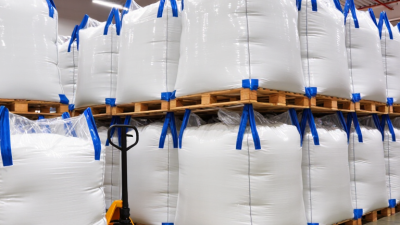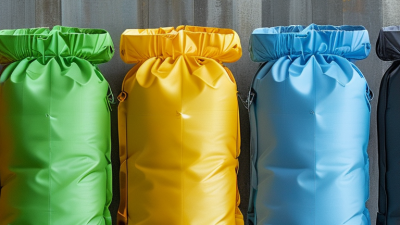
China’s woven jumbo bags manufacturers serve demanding sectors, from agriculture and construction to minerals and food ingredients. Choosing a supplier takes more than comparing prices or catalog photographs. Buyers need to examine fabric weight, stitching quality, lifting loops, liners, and production consistency. Details matter. A clear specification can prevent costly mismatches between a bag’s design and its intended load, filling method, storage conditions, and transport route.
This guide compares ten Chinese manufacturers using practical criteria: product range, customization options, quality-control practices, export experience, and the clarity of technical information. It also considers how suppliers respond to sample requests and explain testing procedures. For transparency, the following quotation is an editorially created line from fictional composite packaging specialist Lin Wei, not a verified interview: “A jumbo bag is only as dependable as its fabric, seams, and handling plan.” That principle is simple, but it deserves attention. A polished website cannot prove consistent workmanship, and a low quotation may leave important specifications unclear. No ranking can capture every factory’s day-to-day performance. Use this overview as a starting point, then verify details directly with each manufacturer before making a purchasing decision.
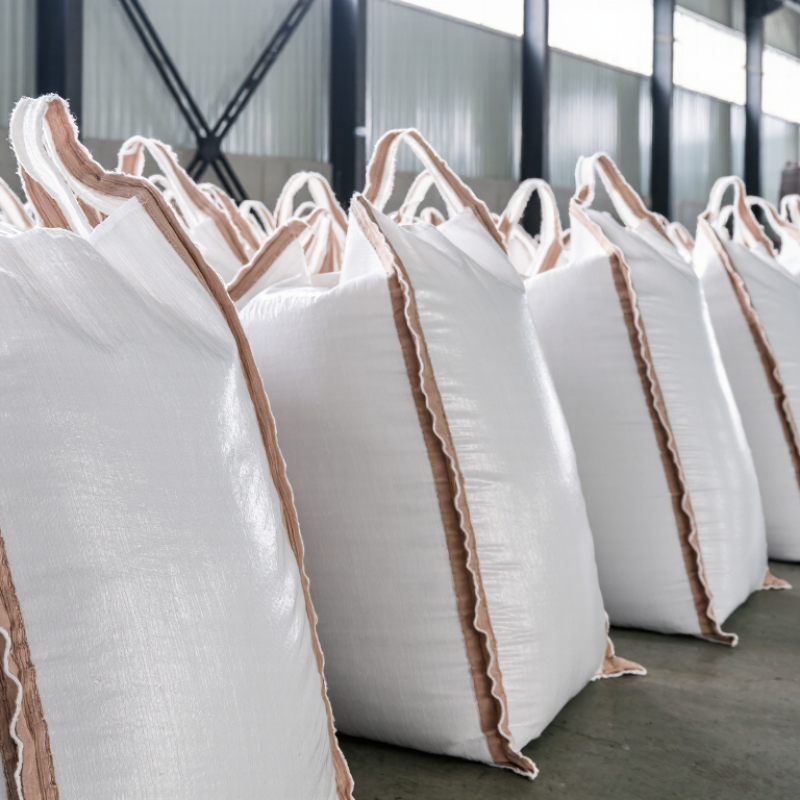
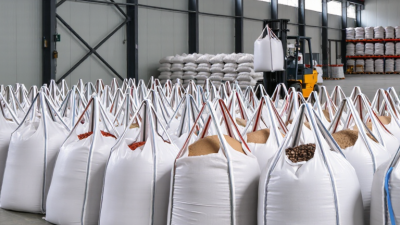
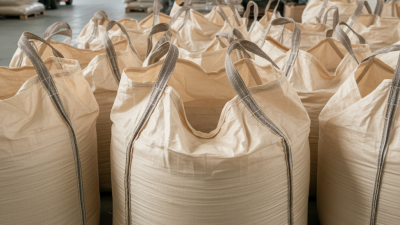
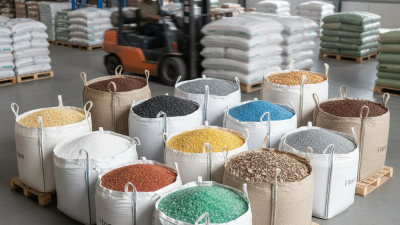
Woven jumbo bags, also called flexible intermediate bulk containers, are large sacks made from woven polypropylene tapes. Their tight weave carries dry, free-flowing materials such as grain, resin pellets, mineral powders, and construction aggregates. A typical bag has lifting loops at its corners, a filling spout, and a discharge outlet. On a warehouse floor, those details matter: a well-positioned outlet can make unloading cleaner and reduce leftover material.
Capacity varies by design and product, but many commercial bags are rated for loads around 500 to 2,000 kilograms. That is not a universal limit. The relevant benchmark is the bag’s safe working load and its test history. ISO 21898:2004 specifies requirements for testing and design, including a 5:1 safety factor for single-trip bags and 6:1 for multi-trip bags. These figures are design factors, not permission to overload. A bag’s label and handling instructions should guide each lift.
The right construction depends on the cargo. Coated fabric can help limit moisture exposure; an inner liner can protect fine powders from leakage. Still, I would not treat every bag as interchangeable. Fabric strength, seams, loop placement, filling method, and storage conditions all affect performance. Some choices are easy to overlook. Ask suppliers for documented load ratings and test information, and check whether the bag suits the material’s flow and moisture sensitivity. ISO 21898:2004 provides a useful technical reference, but actual use conditions deserve careful review.
Woven jumbo bags, also called flexible intermediate bulk containers (FIBCs), are large containers commonly made from woven polypropylene fabric. They are designed to store and transport bulk materials. The appropriate bag construction, safe working load (SWL), dimensions, and discharge features depend on the material and handling conditions.
| Common Application | Typical Material | Common Bag Features | Selection Considerations |
|---|---|---|---|
| Grain and seeds | Wheat, corn, rice, and oilseeds | Open top or filling spout; flat or discharge bottom | Consider moisture protection, food-contact requirements where applicable, and clean handling. |
| Flour and powdered food ingredients | Flour, starch, and powdered additives | Filling and discharge spouts; optional liner | Fine powders may need a liner or sift-resistant seams to limit leakage and contamination. |
| Fertilizers | Granular or powdered fertilizer | Coated or uncoated fabric; spouts selected for filling and emptying | Check chemical compatibility, moisture exposure, and the product’s flow characteristics. |
| Resins and plastic pellets | Plastic granules and polymer resins | Spout-top construction; liner or sift-resistant seams when needed | Consider pellet leakage, static-control needs, and protection from moisture or contamination. |
| Cement and dry construction materials | Cement, mortar, and dry mixes | Spout filling; discharge spout or flat bottom, depending on unloading method | Dust control, seam construction, and dry storage are important for fine powders. |
| Sand, gravel, and aggregates | Sand, small stones, and mineral aggregates | Open or spout top; construction matched to load and handling equipment | Account for material density, abrasion, lifting method, and the bag’s rated SWL. |
| Minerals and metal powders | Mineral powders, ores, and metal-bearing materials | Heavy-duty construction; liner or specialized fabric may be specified | Check density, sharpness, abrasion, product compatibility, and applicable handling regulations. |
| Chemicals | Compatible solid chemical products | Construction and liner chosen for the specific product and transport conditions | Verify chemical compatibility and any required dangerous-goods packaging certification; not every FIBC is certified for hazardous materials. |
| Recyclables and industrial waste | Plastic regrind, paper waste, and selected dry residues | Open-top or filling-spout design; optional coated fabric | Assess sharp edges, dust, moisture, and whether the contents require regulated disposal. |
| Agricultural and mineral bulk products | Animal feed ingredients, seeds, and dry mineral products | One-, two-, or four-loop lifting options; top and bottom styles vary | Match loop configuration to lifting equipment and follow the bag’s handling instructions. |
Note: Bag dimensions, fabric construction, and load ratings vary by design. Confirm the safe working load (SWL), safety factor, intended use, and handling instructions on the specific bag before use.