Choosing among China’s sacks and bags manufacturers is not simply a matter of comparing prices. A woven polypropylene sack, a paper valve bag, and a flexible bulk bag serve different purposes. The right supplier must understand the product, the filling process, and the conditions it will face in storage and transport.
There is no single best manufacturer for every buyer. It depends. A useful comparison looks at production experience, material options, printing quality, order flexibility, and documented quality checks. Ask how the factory controls fabric weight, seam strength, dimensions, and batch consistency. Details matter. A sample can reveal rough stitching, uneven coating, or colors that differ from the approved artwork. Factory visits and clear technical records may offer further confidence, though neither guarantees every order will be flawless.
This guide examines what buyers should look for when evaluating sacks and bags manufacturers in China, including product range, customization, communication, and production capacity. It also explains why quotations deserve careful review: a lower price may reflect different materials, specifications, or service—not necessarily better value. Treat supplier claims as starting points, not proof. Request samples, confirm specifications in writing, and compare like with like. Even a careful checklist has limits; real production can be messier than a polished catalog suggests. The aim is not to declare a universal winner, but to help buyers identify manufacturers that fit their actual requirements and verify that fit with practical evidence.
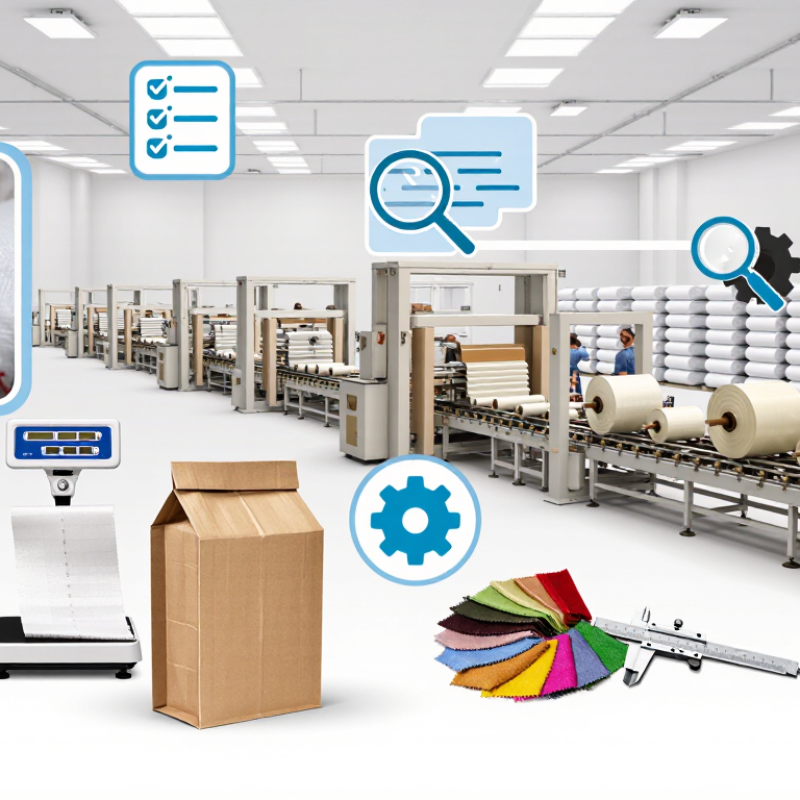
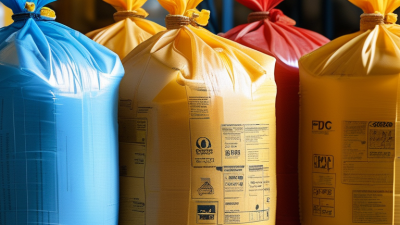
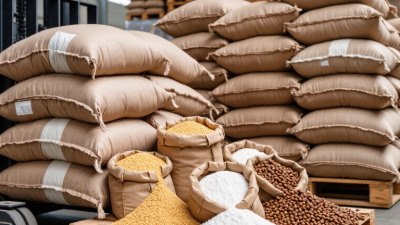
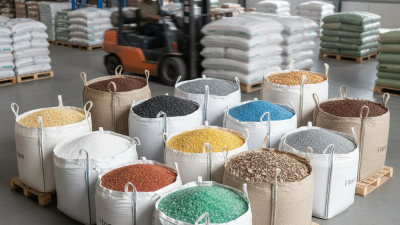
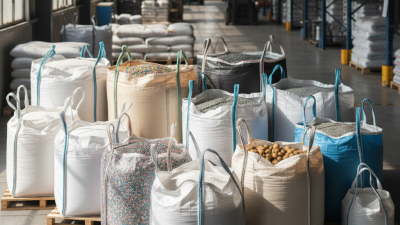
Chinese sacks and bags manufacturers produce several practical formats. Woven polypropylene sacks carry rice, feed, fertilizer, and resin pellets. Their tubular fabric can be coated against moisture, while stitched seams and optional liners help limit leakage. Manufacturers also make FIBCs, often called bulk bags, for larger loads of dry goods. Smaller options include paper sacks, nonwoven shopping bags, and flexible pouches for retail packaging. Typical services cover fabric weaving, printing, cutting, sewing, and inspection. Not every factory handles all these steps in-house, so production control can vary.
Packaging choices have real consequences. The OECD’s Global Plastics Outlook (2022) reports that packaging generated about 40% of global plastic waste in 2019. That figure makes material selection and bag reuse worth discussing early. Buyers can ask for fabric weight, seam-strength test results, liner specifications, and documented quality checks. A clear sample is useful. Request one with the actual load, filling method, and storage conditions in mind. A bag that looks sturdy on a table may behave differently when stacked in a humid warehouse.
Tips: Send suppliers the product’s weight, bulk density, and filling method before requesting a quote. Ask whether test results apply to the finished bag, not just its fabric. Small details matter. Printing can rub off; liners can complicate recycling. One practical weakness is that buyers sometimes specify price before performance. That deserves a second look.
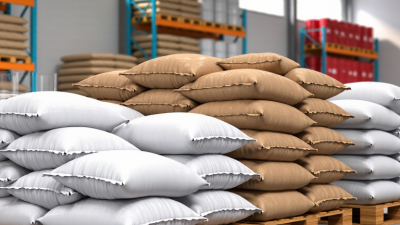
Chinese sack and bag manufacturers work with woven polypropylene, polyethylene, kraft paper, cotton, and laminated films. Each material suits different handling needs. Woven polypropylene bags are widely used for grains, animal feed, and building materials. Kraft paper bags often package dry powders and retail goods. Cotton and reusable nonwoven bags serve shopping and gardening. Laminated layers can help resist moisture, but they may complicate recycling. That trade-off deserves attention.
These manufacturers serve agriculture, food processing, construction, and retail. Requirements vary by product. Grain processors may need breathable woven sacks; cement producers often need durable bags with secure seams. Food packaging may require suitable inner liners and careful material selection. Ask suppliers about load capacity, seam construction, moisture exposure, and filling methods. Test samples with the actual product and equipment. A bag that looks sturdy can still split at a stitched corner.
Tips: Share product weight, storage conditions, transport route, and reuse goals. Confirm dimensions, fabric weight, liner, closure, and print details in writing. Check samples and inspection records. Specifications can be misunderstood, so a catalog photo alone is not proof of performance.
Common material and industry applications for sacks and bags
The chart compares typical material applications, not manufacturer market share. Ratings are qualitative (1 = limited typical use; 5 = broad typical use), based on common material properties and packaging applications. Actual suitability depends on product requirements, construction, and local regulations.
Choosing the best sacks and bags manufacturer in China requires more than comparing prices. A reliable evaluation starts with the factory, not the sales brochure. Check whether the manufacturer controls extrusion, weaving, lamination, printing, stitching, and packing in-house. Each process should have clear inspection records. Ask for recent production photos, machine lists, and sample reports. A clean workshop matters, but it does not prove consistent quality.
Request samples made with the same material, dimensions, and printing method as your order. Test seam strength, load capacity, drop resistance, and moisture protection. For woven bags, inspect fabric density and coating thickness under bright light. Measure several samples because one perfect sample can be misleading. Ask how the factory handles rejected products, recycled material, and batch traceability. These details show professional discipline.
Communication is another practical test. The manufacturer should explain minimum order quantities, lead times, packaging, and inspection procedures clearly. Verify relevant certifications and confirm whether documents match the actual factory. An independent audit can reveal crowded storage areas, weak safety controls, or outsourced production. Those issues may not appear during a video call. I would also place a small trial order before committing to large volumes. It may slow the project. However, discovering inconsistent seams after shipment costs far more. A polished showroom can still hide weak process control, so review evidence rather than promises.
The best sacks and bags manufacturers in China stand out through consistent process control, not polished promises. Experienced teams check fabric weight, weave density, seam strength, and print alignment at defined stages. A practical factory should explain how it handles a failed sample, delayed materials, or a sudden change in order quantity. Ask to review inspection records and production samples, not only a catalog. A neat sample matters, but repeatability matters more.
Tips: Request a sample made with the same material and stitching planned for production. Confirm dimensions, load requirements, closure type, and printing details in writing. If a supplier cannot describe its inspection steps clearly, pause before placing a large order.
Communication is another useful measure. Reliable manufacturers give specific updates, flag risks early, and answer technical questions without vague assurances. Check whether they can provide material specifications and clear packing details. Small inconsistencies can appear even in capable factories; I would not treat one imperfect sample as proof of poor quality, but I would expect a clear correction plan. The strongest partners make that plan visible.
Choosing a sacks and bags manufacturer in China starts with your product, not a supplier list. Specify material, dimensions, load capacity, closure, printing, and storage conditions. A woven polypropylene sack for grain needs different checks from a laminated retail bag. Ask how the factory controls fabric weight, seam strength, and color consistency. Clear requirements can prevent costly revisions. Paper specifications still leave gaps.
Tips: Request samples made with the proposed material and construction. Test them with realistic loads, then inspect seams and handles. Ask for quality records and a written defect process. One good sample is not proof of steady production; that shortcut is tempting, but weak.
Compare production capacity, minimum order quantities, lead times, and communication before placing a large order. Ask who checks incoming materials and finished goods, and whether you can review inspection results. Confirm how artwork changes and rejected batches are handled. A video call can show equipment and work areas, but it cannot replace independent checks when order risk is high. Small details matter: a slightly misaligned seal may affect packing speed, even when the bag looks fine. No selection process is perfect, so document open questions and revisit them before approving bulk production.
Copyright 2025 © Custom Packaging Products | All Rights Reserved