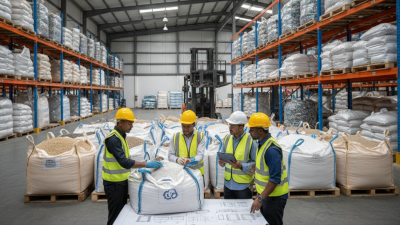
Buying sacks and bags in bulk can reduce unit costs, but the cheapest quote is rarely the safest choice. Material, capacity, closure style, storage conditions, and delivery timing all affect the final value. A low-priced sack may split under pressure, absorb moisture, or create unnecessary waste.
Walter Soroka, author of Fundamentals of Packaging Technology, describes packaging as “the science, art, and technology of enclosing and protecting products for distribution, storage, sale, and use.” This principle applies directly to sacks and bags. The right option must protect its contents from tearing, dust, humidity, friction, and repeated handling. It must also fit your filling equipment and warehouse space.
Details matter.
Before placing a large order, test samples with the actual product. Fill them, stack them, move them, and inspect the seams. Ask suppliers for material specifications, weight tolerances, printing proofs, and production lead times. Recycled content, recyclability, and reusable designs may also support practical sustainability goals. However, environmental claims should be verified through reliable documentation, not attractive wording alone.
This guide, “10 Tips for Buying Sacks and Bags in Bulk,” examines the decisions that buyers often overlook. It covers sizing, strength, customization, supplier reliability, quality control, and total ownership cost. Some recommendations may seem obvious. They are still easy to miss during a rushed purchase. Even experienced buyers can misjudge demand or storage conditions. Careful planning cannot remove every risk, but it can make costly surprises less likely.
10 Tips for Buying Sacks and Bags in Bulk
Define Bulk Sack Types by Load Range: FIBCs Commonly Hold 500–2,000 kg
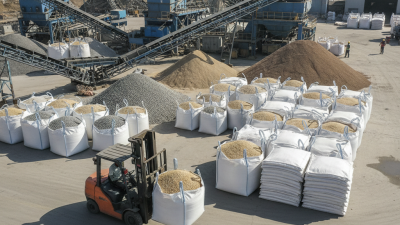
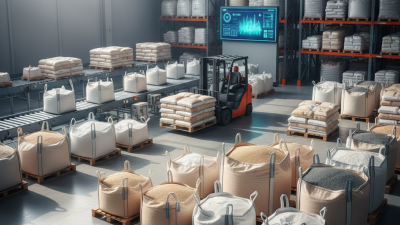
Bulk buying starts with the load, not the lowest unit price. Flexible intermediate bulk containers, or FIBCs, commonly handle 500–2,000 kg. Their actual capacity depends on fabric strength, dimensions, filling conditions, and certification. Ask for the safe working load, safety factor, and recent test documentation. Weight matters. A 1,000 kg bag may suit dry granules but fail if the lifting loops face uneven stress.
Record product density, filling method, discharge equipment, and stacking height before requesting quotations. These details guide fabric selection, loop design, liner requirements, and bag dimensions. For fine powders, an inner liner can reduce leakage and moisture exposure. However, liners may slow filling and create static concerns in sensitive workplaces. Request qualified technical guidance when grounding or antistatic controls are necessary.
Inspect samples before placing a large order. Check seams, lifting loops, stitching, spouts, labels, and pallet fit. Measure twice. A small dimensional error can disrupt warehouse handling. Confirm whether bags will remain indoors, face rain, or sit on concrete floors. Moisture protection may require coated fabric, liners, or better storage practices. Ask about batch consistency, traceability, delivery timing, and replacement procedures. Our first quantity estimate is often wrong, especially when damaged units and seasonal demand are ignored. A lower unit price can become expensive after rework, rejected loads, or unused stock. Keep a few trial bags for operator feedback before committing to thousands.

When buying sacks and bags in bulk, match material performance to the actual load. PP woven bags often deliver tensile strength near 5–12 kN, depending on fabric weight, tape width, weave density, and test direction. This range is useful, but it is not a guarantee. Strength is not everything. A bag carrying 25 kilograms of grain faces different stress from one holding sharp plastic parts.
Ask for the test method and recent laboratory results. Check whether the rating measures the fabric, the seam, or the finished bag. Request samples with the planned dimensions, coating, liner, and closure. Fill them with the real product, then inspect lifting points and bottom seams. A controlled drop test can reveal weak stitching quickly. Do not judge by appearance alone. Thin fabric can look acceptable until the corners stretch.
Moisture, sunlight, storage time, and stacking height also affect performance. For outdoor storage, ask whether UV protection is included. Confirm tolerances for length, width, weight, and print placement in writing. Inspect several bags from each production lot, not just one sample. A 12 kN figure may sound reassuring, yet poor stitching can still cause failure. I would rather accept a slightly higher unit cost than discover that the chosen strength was measured under conditions unlike the warehouse. Bulk savings lose value when damaged bags create cleanup, repacking, and delivery delays.
The chart compares representative tensile-load ranges commonly used when screening bulk sack materials. PP woven bags provide a strong balance of durability and load resistance, with typical values near 5–12 kN. Actual performance depends on fabric weight, weave density, coating, stitching, and test method.
Buying sacks and bags in bulk should begin with performance evidence, not only unit price. Grand View Research estimated the global FIBC market at about USD 6.9 billion in 2023, with continued growth expected through 2030. That growth increases supplier choice, but quality can vary sharply. ISO 21898:2004 defines requirements for flexible intermediate bulk containers used for non-dangerous goods. It covers key checks, including lifting, stacking, top-lift, and drop performance. Ask for the latest test report, test method, production lot, and laboratory details. A certificate alone may not prove current batch performance.
Tips: Request samples from the planned production line. Inspect fabric seams, lifting loops, discharge spouts, and liner fit. Then compare the sample with the approved drawing. In my experience, small loop stitching differences can create handling problems. Measure them. Do not assume “ISO tested” means every bag is certified. ISO 21898 is a specification and testing framework, not a universal quality mark. Your purchase contract should state the required safety factor, filling weight, dimensions, moisture protection, and sampling plan.
Smithers’ flexible packaging outlook identifies sustainability and material efficiency as major industry pressures. Lighter fabric can reduce material use, but it may also reduce handling tolerance. This is where buyers sometimes move too quickly. A lower gram weight is not automatically better. Request evidence from accredited testing facilities and retain random samples from each shipment. Check stacking behavior under real warehouse conditions, including uneven floors and temperature changes. Reports help, but practical verification still matters. Mistakes happen, especially when specifications are copied between suppliers. Recheck every revision.
| No. | Buying Checkpoint | Typical Data to Define | Bulk-Order Specification Guidance | Evidence to Request Before Approval |
|---|---|---|---|---|
| 1 | Confirm the intended product | Powder, granule, flake, pellet, or other dry, flowable material; bulk density in kg/m³; moisture sensitivity. | State the product name by material type, approximate bulk density, particle size, temperature, and whether the contents are food, pharmaceutical, chemical, or industrial grade. | Written product-handling requirements and a completed technical specification sheet. |
| 2 | Set the safe working load | Common FIBC working-load planning values include 500 kg, 1,000 kg, 1,250 kg, and 2,000 kg, depending on construction and handling conditions. | Select the required safe working load based on the filled mass, lifting method, stacking plan, and warehouse equipment. Do not use a nominal capacity as a substitute for certification. | Product label, technical drawing, test report, and documented safe working load from the manufacturer. |
| 3 | Check ISO 21898 performance testing | ISO 21898 addresses flexible intermediate bulk containers for non-dangerous goods and includes performance-related requirements and tests. | Ask whether the proposed FIBC has been evaluated against the applicable edition and relevant test requirements of ISO 21898 for the intended design and load. | A traceable test report identifying the FIBC construction, safe working load, test method, test date, and result. |
| 4 | Specify the safety factor | Common commercial designations include 5:1 and 6:1 safety factors, but the required value depends on the intended use and handling cycle. | Define whether the bag is intended for single-trip or repeated handling, and require the safety factor to be stated on the quotation and technical documents. | Construction specification, lifting-loop details, test records, and clear labeling of the applicable safety factor. |
| 5 | Choose dimensions and volume | A frequently used planning size is approximately 90 × 90 × 120 cm, but usable volume changes with dimensions, fill level, and product bulk density. | Specify width, length, height, filling height, and maximum filled volume. Confirm compatibility with pallets, hoppers, conveyors, and storage racks. | Dimensioned drawing showing tolerances, body shape, top construction, bottom construction, and filled-bag dimensions. |
| 6 | Match the filling and discharge design | Possible configurations include open top, duffle top, spout top, plain bottom, discharge spout, and full-open bottom. | Select closures and spout dimensions that match the filling machine, discharge valve, liner, and required discharge speed. Include dust-control requirements where applicable. | Interface drawing, closure description, sample fitting check, and a filled-bag trial using the intended equipment. |
| 7 | Assess electrostatic risk | FIBC construction categories commonly include Type A, Type B, Type C, and Type D, with different electrostatic-control characteristics. | Complete a documented hazardous-area and product-risk assessment before selecting the construction. Do not use a Type A bag where electrostatic ignition hazards require another control method. | Electrostatic classification, grounding instructions where required, test documentation, and site-specific safety approval. |
| 8 | Control moisture, dust, and contamination | Options may include coated fabric, polyethylene liner, laminated fabric, sift-proof seams, and dust-tight closures. | Define moisture barrier requirements, liner thickness, seam construction, dust leakage tolerance, and cleanliness level. Note that polypropylene fabric alone is not automatically waterproof. | Material specification, liner drawing, seam or sift-proof test information, cleanliness procedure, and retained sample approval. |
| 9 | Verify storage and stacking limits | Required information includes filled-bag height, maximum stack level, storage duration, floor condition, and exposure to sunlight or weather. | Define whether bags will be stored indoors, outdoors, on pallets, or in racks. Request a stacking recommendation based on the actual filled configuration. | Stacking guidance, handling instructions, UV or weather limitations, and a risk assessment for the planned storage arrangement. |
| 10 | Control the bulk-order batch | Record order quantity, lot size, production date, inspection level, acceptable defect criteria, and sample-retention period. | Approve a pre-production sample, define critical defects, and require lot traceability for body fabric, seams, lifting loops, liners, labels, and test records. | Approved reference sample, inspection report, batch identification, certificate package, and nonconformance procedure. |
Note: The values shown are practical specification examples rather than universal design limits. Final FIBC selection should be based on the actual product, handling method, operating environment, applicable regulations, and documented test results.
When buying sacks and bags in bulk, the quoted unit price is only the visible part of the expense. I calculate landed cost per usable bag, not per ordered bag. The worksheet includes the minimum order quantity (MOQ), production price, freight, insurance, duties where applicable, and payment fees. A 50,000-bag MOQ may look attractive, but it can lock cash into slow-moving stock. Record each figure in the same currency.
Freight needs practical detail. Ask for carton dimensions, pallet count, shipment weight, and delivery terms. A lightweight bag can still occupy substantial warehouse space. Compare sea, rail, and road options by total delivery cost and timing, not freight alone. Then estimate storage using pallet rent, handling charges, climate control, and average months held. Keep one realistic delay scenario. My early spreadsheet ignored weekend unloading fees, and the final cost was higher than expected.
Defect rates change the usable quantity. Request recent inspection data, define acceptable defects, and sample before approving a large run. If two percent of 50,000 bags are rejected, only 49,000 remain for sale or filling. Add inspection labor, sorting, replacement freight, and disposal costs. Use this formula: total purchase cost divided by accepted units. I also test seams, handles, print alignment, and moisture resistance during real handling. A small pilot order may cost more per bag, yet it can expose weak stitching before the MOQ becomes a warehouse problem. I revise the estimate after the first shipment; forecasts are useful, but they are not evidence.
Buying sacks and bags in bulk requires more than comparing unit prices. Audit the supplier before approving a large order. Request production records, material specifications, inspection procedures, and recent quality reports. A clean sample is not enough.
Ask whether the proposed packaging requires UN packaging tests for its intended transport use. Request test reports, approval details, test dates, and the exact construction covered. Check the fabric, liner, stitching, closure, and rated capacity against the report. A certificate with no matching product details deserves careful questions. Do not rely on a scanned document alone. Confirm its source and validity through the issuing testing body when possible.
Order samples from the same production line planned for bulk delivery. Mark each sample with its batch number, production date, and supplier code. Then inspect seams, handles, inner coatings, dimensions, and load performance. Keep photographs and signed inspection notes. Traceability should work backward from one bag to raw materials and forward to shipment records. Ask how quickly the supplier can isolate an affected batch. If the answer is vague, pause the purchase.
I once approved samples without checking batch continuity. That was a mistake. The delivered bags had slightly different stitching and weaker handles. Small differences matter. Require a retained sample from every approved batch, and record who inspected it, when, and against which specification. Price still matters, but reliable evidence matters more.
Copyright 2025 © Custom Packaging Products | All Rights Reserved