Why Choose Sacks Bags for Global Bulk Packaging?

Why Choose Sacks Bags for Global Bulk Packaging?

Global supply chains need packaging that protects products, controls costs, and performs across difficult transport routes. Sacks bags meet these demands for grains, animal feed, minerals, chemicals, and construction materials. Their lightweight structure reduces handling effort and freight weight. Their flexible shape also uses warehouse space efficiently.

The Smithers report, The Future of Global Packaging to 2028, estimates that worldwide packaging demand will continue growing through 2028. Its analysis highlights cost efficiency, supply-chain resilience, and sustainability as major purchasing factors. The OECD’s Global Plastics Outlook reports that packaging represented about 40% of global plastic waste in 2019. That figure deserves attention. It shows why material selection, reuse, and end-of-life planning matter.

Luciana Pellegrino, President of the World Packaging Organisation, has stated, “Packaging is part of the solution, not the problem.” This view fits modern sacks bags when manufacturers optimize thickness, strength, printing, and recyclability. Woven polypropylene sacks can provide strong load support with relatively low material use. Paper sacks may suit applications requiring fiber-based packaging and easier recovery streams. However, no single format works everywhere. Moisture, filling speed, stacking pressure, and local recycling infrastructure can change the result. That is often overlooked.

The strongest choice comes from measured performance, not attractive claims. Buyers should request test data, sustainability documentation, and realistic transport simulations. Small details matter. A torn seam can erase the savings from a cheaper bag.

Why Choose Sacks Bags for Global Bulk Packaging?

What Are Sacks Bags and How Are They Used in Bulk Packaging?

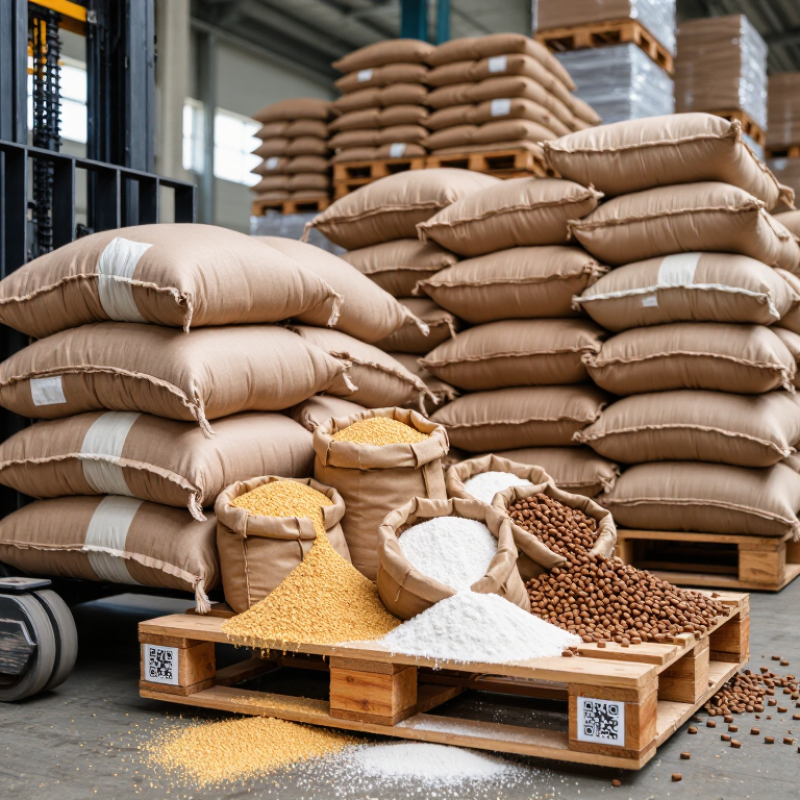
Sacks bags are flexible containers made for holding and moving bulk materials. They may use woven polypropylene, paper, or laminated layers. Their shape changes as the load shifts. This makes them efficient in warehouses, trucks, and shipping areas. They are commonly used for grains, seeds, powders, minerals, animal feed, and dry construction materials. Clean handling matters.

In bulk packaging, workers fill sacks through an open mouth or fitted valve. Heat-sealed, stitched, or folded closures help prevent leakage. Pallets, straps, and stretch film can improve stability during transport. Some sacks include liners when moisture or fine dust creates a concern. Size and strength should match the product weight. Overfilling is a common mistake.

Field inspections often reveal small failures first. A weak seam may split during lifting. Rough floors can also damage the outer fabric. For that reason, packaging teams should test drop resistance, stacking performance, and moisture exposure before regular use. Clear weight markings support safer handling and inventory control. A cheaper sack is not always the better choice. In practice, environmental conditions can change the result. A design that works in a dry warehouse may perform poorly near humid loading docks. That detail deserves more attention.

Why Choose Sack Bags for Global Bulk Packaging?

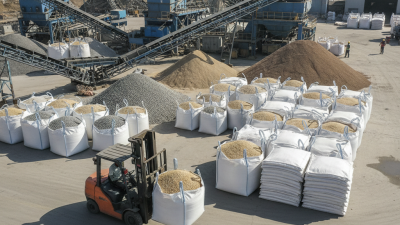
Sack bags are flexible containers used to store, transport, and handle dry bulk products such as grains, flour, animal feed, fertilizers, chemicals, and construction materials. Their capacity can range from approximately 25 kg for paper and small woven sacks to about 1,000 kg for flexible intermediate bulk containers, supporting efficient storage and global shipment.

The figures show common nominal capacities used in the bulk-packaging industry. Actual capacity depends on material density, bag construction, filling method, safety factor, and applicable regulations.

Which Materials and Designs Make Sacks Bags Effective?

Sacks bags work because their materials match the demands of bulk packaging. Woven polypropylene offers strength, low weight, and resistance to tearing. Kraft paper provides stiffness and easier printing for dry goods. Recycled fibers can reduce material use, but their strength may vary. A liner helps protect powders from moisture and contamination. It can also improve emptying during handling.

Design matters just as much. Gusseted sides help bags stand upright and stack neatly on pallets. Reinforced stitching reduces seam failure during lifting. Valve openings support faster filling, while open-mouth designs suit manual packing. Handles may improve movement, but weak attachments create safety risks. In packing trials, small design changes often affect storage stability. A bag can look strong and still fail at the seam. That detail deserves attention.

Tips: Match the fabric weight to the product and transport distance. Test filled bags for compression, drop impact, and moisture exposure. Check seam quality before large-scale production. Leave room for imperfect conditions. Temperature, rough floors, and overloaded pallets can change performance. Clear labels also support traceability and safer warehouse handling.

Why Choose Sacks Bags for Global Bulk Packaging? — Materials, Designs and Performance Comparison
Material or Design Typical Load Range Key Performance Characteristics Moisture and Barrier Performance Common Closure and Construction Options Typical Bulk-Packaging Applications Main Advantages Important Considerations
Woven polypropylene (PP) sack 10–50 kg per sack High tear resistance, good tensile strength and relatively low weight. Suitable for repeated handling during loading, transport and storage. Resists liquid water better than uncoated paper, but the woven structure is not fully dust-tight or vapor-tight unless laminated or lined. Sewn top Heat-cut edge Block bottom Liner option Grains, animal feed, seeds, fertilizer, minerals and construction materials. Strong, lightweight, stackable and generally cost-efficient for international distribution. UV stabilizer may be required for outdoor exposure. Product specifications should match the filling weight and stacking conditions.
Laminated woven PP sack 10–50 kg per sack Combines woven PP strength with a laminated surface that improves printability, scuff resistance and protection against surface contamination. Better resistance to humidity and dust than unlaminated woven PP; performance depends on laminate thickness and whether the seams are protected. Gloss or matte lamination Sewn closure Valve option Easy-open strip Flour, rice, pet food, feed ingredients, chemicals and powdered products. Improved surface protection, clearer graphics and better resistance to abrasion during container and pallet handling. Lamination can complicate recycling when it combines different polymer layers. Confirm local recycling requirements.
Polyethylene (PE) film sack 5–25 kg per sack Flexible, heat-sealable and highly resistant to liquid water. Strength varies with film type, thickness and additives. Very good moisture barrier for many dry products; multilayer structures can provide improved oxygen, aroma or light protection. Heat seal Perforation Resealable top Multilayer film Dry food ingredients, powders, chemicals, agricultural products and inner liners. Excellent sealing efficiency, clean appearance and strong protection from humidity when correctly specified. Can be vulnerable to puncture or sharp-edged products unless the film structure is reinforced or combined with an outer sack.
Paper sack with multiple plies 10–50 kg per sack Good stiffness, efficient pallet formation and suitable strength when several paper plies are combined with an appropriate bottom construction. Uncoated paper absorbs moisture. A polyethylene coating, film layer or separate liner is needed when humidity resistance is important. Sewn bottom Glued valve Pinch closure PE liner Cement, dry mortar, flour, food ingredients, minerals and powdered chemicals. Good print surface, professional appearance and a paper-based structure that may support fiber recycling when not heavily laminated or contaminated. Storage humidity, filling method and seam quality strongly affect performance. Paper sacks generally need protection from rain and condensation.
Paper–plastic composite sack 10–50 kg per sack Uses paper for stiffness and printability together with plastic for improved moisture resistance and sealing performance. Better humidity protection than standard paper, but the barrier level depends on the plastic layer, coating and liner design. Paper outer ply PE inner liner Glued valve Sewn closure Building powders, agricultural products, food ingredients and industrial powders. Balances paper handling characteristics with improved product protection and high-speed filling compatibility. Mixed-material construction can require specialized recycling or disposal channels.
FIBC / flexible intermediate bulk container Approximately 500–2,000 kg per container Designed for high-volume handling with strong woven PP fabric, lifting loops and a tested safe working load. Often intended for one-way use. Coated fabric, liners and sealed constructions can improve protection from moisture and fine powders. Four lifting loops Top inlet Bottom discharge Baffle option Minerals, granules, chemicals, agricultural commodities, powders and waste materials. Reduces manual handling and packaging volume compared with many small sacks. Efficient for pallet-free transport and bulk discharge. The safe working load, safety factor, filling method and handling equipment must be confirmed before use. Follow applicable FIBC testing requirements.
Baffle or form-stable sack design Usually 20–50 kg for sacks; higher for FIBC formats Internal panels or structural features help the package retain a squarer shape, improving pallet utilization and load stability. Moisture performance depends on the selected base fabric, coating and liner. Internal baffles Square-bottom design Corner construction Granules, powders and products requiring stable pallet loads or efficient warehouse storage. Better cube efficiency, improved stacking and reduced package movement during transport. More complex construction can increase manufacturing cost and may require compatible filling equipment.
Valve sack design 10–50 kg per sack A preformed valve supports fast, clean filling of powders through automatic filling equipment. The valve and seams must be correctly designed to limit dust leakage. A liner or coated layer can improve moisture protection. Paper valve PP valve Self-closing valve Heat-sealed valve Cement, flour, minerals, dry mortar, chemicals and other free-flowing powders. High filling speed, lower dust generation and consistent package presentation. Valve compatibility, air release and filling-machine settings are critical to prevent incomplete filling or burst seams.
Liner-inserted sack 10–50 kg per sack Adds an inner polyethylene or polypropylene liner to improve containment and protect products from external contamination. Provides improved moisture and dust protection compared with the outer sack alone. Barrier performance depends on liner material and closure quality. Loose liner Attached liner Form-fit liner Heat-sealed liner Hygroscopic powders, food ingredients, fine chemicals, seeds and sensitive granules. Helps preserve product quality during long-distance transport and variable climates. Adds material and filling complexity. The liner must be secured to prevent folding, blockage or incomplete filling.
Common global design criteria Selected according to product and logistics conditions Load weight, product density, particle shape, drop height, stacking duration, transport mode and expected climate should guide the specification. Consider humidity, condensation, rain exposure, oxygen sensitivity, light sensitivity and dust containment requirements. Pallet-compatible dimensions Traceability mark Tamper evidence Batch coding International shipping, warehouse storage, container transport and automated filling or discharge operations. Proper design improves product protection, handling efficiency, storage density and total logistics performance. Confirm applicable food-contact, chemical, transport, labeling and recycling requirements in the destination market before production.

Note: Load ranges are common planning ranges rather than universal limits. Actual performance depends on material grade, fabric or film thickness, seam construction, closure method, filling process, storage conditions and transport handling. Product-specific testing should be completed before commercial use.

How Do Sacks Bags Improve Storage, Handling, and Transport?

Sacks bags support efficient bulk packaging by keeping products contained during storage, handling, and transport. Their woven construction offers strength without adding excessive weight. This helps warehouse teams move more material with fewer pallets. A well-filled sack can stand securely on a pallet, reducing shifting in storage. Clear labeling also improves traceability and reduces picking errors. These details matter during busy loading periods.

During handling, reinforced seams and suitable lifting points can reduce tearing and product loss. Forklifts, pallet jacks, and manual teams can work more safely when sacks remain stable. In transport, tightly stacked bags use container space effectively and limit movement on rough roads. However, no sack performs perfectly in every environment. Moisture, sharp surfaces, overfilling, and poor stacking can still cause damage. Regular checks are necessary, even when the packaging appears reliable.

Tips: Match sack strength to the product’s weight and flow behavior. Keep bags away from standing water and sharp edges. Do not exceed the stated filling capacity. Store pallets on level surfaces, with stable stacking heights. Inspect seams before loading. Small errors can become expensive problems. Teams should record damage patterns and adjust handling methods when needed.

Why Are Sacks Bags Suitable for Diverse Global Markets?

Why Choose Sacks Bags for Global Bulk Packaging?

Why Are Sacks Bags Suitable for Diverse Global Markets?

Sacks bags suit diverse markets because they adapt to different products, climates, and handling systems. Their flexible structure supports grains, powders, minerals, animal feed, and many industrial materials. Fit matters. A sack can be selected by capacity, material strength, closure type, and moisture resistance.

In humid ports, laminated layers can help protect contents from moisture exposure. In dry warehouses, breathable woven materials may reduce condensation risks. Strong seams support stacking during long transport, while practical handles can improve manual handling. Clear labeling areas also help workers identify weight, batch details, and handling instructions across languages.

Packaging decisions should reflect local experience, not assumptions. A design tested in a cool warehouse may perform differently in tropical heat. That gap can create avoidable waste. Packaging teams should review drop tests, compression performance, filling speed, and storage conditions before wider use. Regulations also vary by market, so material declarations and recycling guidance require careful checking.

Cost remains important. However, the cheapest sack may increase product loss or labor time. A balanced evaluation considers durability, transport efficiency, worker safety, and end-of-life options. Some markets may prefer recyclable mono-material structures, while others still depend on established woven formats. No single design fits every route. Good bulk packaging leaves room for regional adjustment.

How Should Businesses Select Sacks Bags for Their Products?

Selecting sacks bags should begin with the product, not the packaging price.

Granules, powders, and irregular goods need different structures. Check weight, density, flow behavior, and moisture sensitivity.

A 25-kilogram load may need stronger seams than its weight suggests. Sharp edges can stress woven fabric during filling and transport.

Material choice matters.

Woven polypropylene suits many dry bulk products because it offers strength and moderate moisture resistance. Paper sacks may support ventilation and easier printing.

For damp or dusty goods, consider an inner liner or coated surface. Measure the filled bag carefully.

Its length, width, opening, and closure must match existing equipment. A poor fit can slow production and create spills.

Run practical trials before ordering at scale.

Fill sample sacks on the actual machine. Stack them on pallets for several days. Check seam separation, slipping, dust leakage, and lifting comfort.

Drop testing can reveal weaknesses that visual inspection misses. Ask suppliers for test data, material specifications, and production traceability.

Documentation matters.

Do not ignore storage conditions.

Sunlight, humidity, and rough floors can reduce performance. We have seen attractive bags fail because their handles were uncomfortable.

That detail was overlooked. It should not have been.

Reusable designs may reduce waste, but only when cleaning and return systems are realistic.

The cheapest sack is not always the most reliable choice. Sometimes, a simpler bag performs better.