
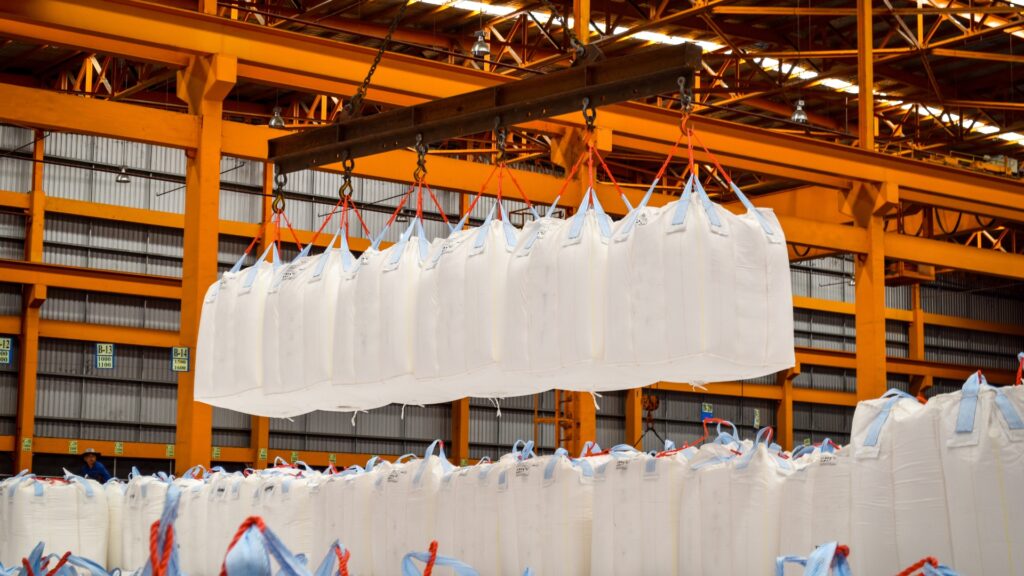
Efficient packaging solutions are at the heart of smooth logistics operations.
Whether transporting liquids, powders, or other bulk materials, choosing the right container can significantly affect the overall efficiency, cost, and safety of your supply chain.
Intermediate Bulk Containers (IBCs) and Flexible Intermediate Bulk Containers (FIBCs) are two popular options for bulk packaging in logistics, and understanding their differences is crucial for optimizing your operations.
This article will break down the distinctions between IBCs and FIBCs, offering insights into when and why each type of container is suited for specific logistics needs.
By the end, you’ll have the knowledge to make informed decisions on which container will best support your business objectives.
What Are IBCs and FIBCs?
Intermediate Bulk Containers (IBCs) are rigid, reusable containers commonly used to store and transport bulk liquids, semi-solids, or hazardous materials. T
hey are typically made of materials like plastic, metal, or a combination of both, offering a sturdy solution that ensures safe handling of goods.
Flexible Intermediate Bulk Containers (FIBCs), on the other hand, are collapsible, soft containers made from woven polypropylene.
They are primarily used for transporting dry, flowable products such as powders, grains, and chemicals.
FIBCs are lightweight and flexible, making them easier to handle when empty and ideal for non-liquid goods.
The fundamental difference between the two lies in their structure: IBCs are rigid and better suited for liquids, while FIBCs are flexible, making them perfect for dry bulk goods.
Key Differences Between IBCs and FIBCs
When comparing IBCs and FIBCs, there are several key differences that directly impact their use in logistics operations.
These differences include material composition, capacity, size, and design.
- Material Composition – IBCs are typically made from rigid plastic or metal, giving them the durability to withstand harsh handling and transport conditions.
This makes them ideal for transporting hazardous liquids or semi-solids.
FIBCs, in contrast, are made from woven polypropylene, which provides a flexible yet durable solution for dry bulk materials.
The flexible material allows them to be folded and stored when not in use, saving space. - Capacity and Size – IBCs typically range in size from 200 to 1,250 liters, depending on the specific model.
They offer a standardized shape, making them ideal for maximizing storage and transport efficiency.
FIBCs are designed to hold anywhere from 500 to 2,000 kg of dry materials, depending on the type.
The flexibility of FIBCs allows them to carry larger volumes compared to IBCs, especially for non-liquid products. - Shape and Design – The rigid, cube-like structure of IBCs allows for easy stacking, maximizing space during storage or transport.
FIBCs, however, are designed to be more flexible and collapsible when not in use, making them easier to store and handle in tight spaces.
While IBCs offer uniformity and stability, FIBCs provide flexibility and adaptability.
Best Use Cases for IBCs and FIBCs
The choice between IBCs and FIBCs largely depends on the type of goods being transported.
Understanding which container best suits your specific product needs can enhance operational efficiency.
- Solid vs. Liquid Goods – IBCs are ideal for transporting liquids such as chemicals, oils, and even food products like juices.
Their rigid structure ensures the safe containment of liquids, reducing the risk of leaks.
FIBCs, however, are best suited for transporting dry bulk materials, such as grains, powders, and granules.
Their flexibility allows for easy handling and storage of dry goods. - Food-Grade vs. Hazardous Materials – If transporting food-grade products, both IBCs and FIBCs can be used, depending on whether the goods are liquid or dry.
FIBCs designed for food products are typically lined to ensure safety and prevent contamination.
When it comes to hazardous materials, IBCs are often preferred because of their durability and ability to meet strict safety regulations for hazardous liquid transport. - Regulatory Compliance – When transporting hazardous materials, it’s essential to ensure that your containers meet industry regulations.
IBCs often require UN certification to transport dangerous goods, while FIBCs may require similar certifications for handling certain dry bulk products, such as hazardous powders or chemicals.
Impact on Operational Efficiency
Efficient storage and transportation are critical in any logistics operation.
The choice between IBCs and FIBCs can greatly influence how efficiently your space and resources are utilized.
- Space Efficiency – The rigid design of IBCs makes them stackable, which is particularly beneficial for maximizing warehouse space.
FIBCs, on the other hand, can be collapsed when empty, making them a space-saving option for businesses with limited storage.
Their collapsibility also makes them easier to transport when empty, reducing costs associated with shipping empty containers. - Handling and Transport – IBCs are typically moved using forklifts, and their rigid structure makes them easy to handle.
Their cube-like design also ensures stability during transport. FIBCs are lighter and more flexible, making them easier to handle and transport when empty or full.
However, they are not as easily stackable as IBCs, which can be a consideration when maximizing space efficiency.
Cost Implications of IBCs vs. FIBCs
Cost is always a critical factor in any logistics decision.
While IBCs and FIBCs each have their advantages, understanding the cost implications can help you make a more informed choice.
- Upfront Costs – IBCs generally have higher upfront costs due to their durable, rigid structure.
The materials used to construct IBCs, such as plastic and metal, contribute to their higher cost.
FIBCs are typically more affordable because of their lightweight, flexible design.
However, depending on the application, the longevity of each container type can impact total costs over time. - Reusability and Lifespan – IBCs are designed for multiple uses and can last for several cycles before needing replacement, making them a cost-effective option in the long term.
FIBCs, while sometimes reusable, are often designed for single-use applications, especially in industries where contamination is a concern.
The number of times a FIBC can be reused will depend on its construction and the goods it is transporting. - Maintenance Costs – IBCs require regular cleaning and maintenance, especially if used for transporting food products or hazardous chemicals.
This adds to the overall cost of using IBCs. FIBCs, on the other hand, have lower maintenance requirements, but they are more prone to wear and tear, which can lead to higher replacement costs.
Environmental Sustainability of IBCs and FIBCs
With sustainability being a growing concern in logistics, understanding the environmental impact of your packaging solutions is critical.
- Recyclability – Both IBCs and FIBCs can be recycled, though the materials used in each type may require different recycling processes.
IBCs, especially those made from plastic or metal, are often recycled after their useful life.
FIBCs, made from polypropylene, are also recyclable but may require special handling depending on local recycling regulations. - Environmental Impact – IBCs are reusable, which reduces overall waste.
The longer lifespan of IBCs also means fewer containers need to be produced, reducing their environmental footprint.
FIBCs, while often designed for single-use, can be recycled to minimize waste.
However, their lightweight, disposable nature can contribute to higher levels of waste if not managed properly.
Regulatory Standards and Safety Concerns
It’s important to ensure that your packaging solutions meet industry regulations, especially when transporting hazardous materials.
- Industry Compliance – Both IBCs and FIBCs must meet regulatory standards for transporting specific goods, especially hazardous materials.
Logistics managers need to ensure that the containers being used meet industry standards for safety and compliance.
For example, IBCs used to transport hazardous liquids often require UN certification to ensure they are safe for transport. - Safety Certifications – When transporting food or hazardous materials, specific safety certifications may be required.
IBCs typically require certification for hazardous liquid transport, while FIBCs used for food or hazardous powders may require similar certifications to ensure safety.
Conclusion
Choosing the right container for your logistics needs is essential to optimizing your supply chain operations.
IBCs and FIBCs each offer unique benefits, depending on the type of goods being transported, operational requirements, and cost considerations.
Understanding the key differences between these containers can help you make informed decisions, improve efficiency, and reduce costs in your supply chain.
Ultimately, whether you choose IBCs for transporting liquids or FIBCs for dry bulk goods, selecting the right packaging solution will improve overall operational performance and help your business stay competitive in today’s fast-paced logistics landscape.