
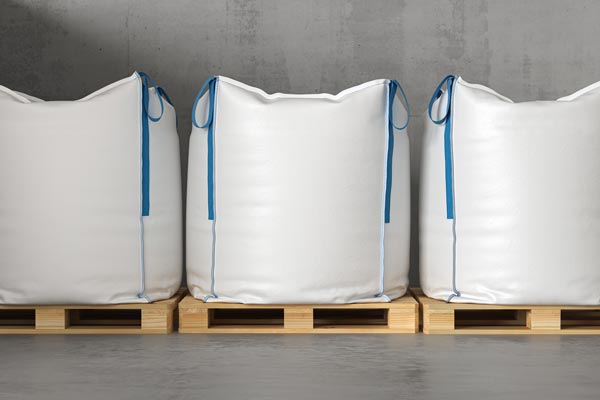
When ordering a bulk bag, it is important to get the size correct to ensure the bag fits your needs. In this article, we will walk you through the process of how to correctly size a bulk bag. Many people just buy a certain size or style of bulk bag hoping it will work when it comes time to load their product. This is not a good idea, as there are many ways to ensure the bag will work perfectly and hold the appropriate weight.
What is the size of a bulk bag?
The size of the bulk bag is highly dependent on the density and makeup of your product being loaded into the bag. A bulk bag is highly customized and can be any size you desire. However, you need to make sure you have details on the product you will be loading. One way to think of the size of a bag is to envision how big a bag would be to hold 2,000 lbs. of popcorn. Now, think about how big a bag would be to hold 2,000 lbs. of lead. A bag to hold 2,000 lbs of lead will be small 36x36x15″. On the other hand, a bag to hold the same weight in popcorn would be 36x36x1050″. Therefore, you cannot just ask for a bag to hold your product, as you must take into consideration the density of your product and several other factors.
How to correctly size a bulk bag?
Every product is different and reacts differently when loading the product. Therefore, you must get as much information as possible about the product being loaded to be able to size the bag correctly. As discussed above, you need the density of the product first and then you can determine the size of the bag. Next, we need to know the makeup of the product (i.e. is it very flowable or is it large chunks of material). This will determine if it is possible to use a baffled bag or if will you be restricted to using bags without baffles. In addition, the formula used to size a baffle bag is different from a circular bag or u-panel bag. The formula allows for a stretch factor for each bag and is calculated differently for each of the types of bulk bags.
What can happen if you do not size the bulk bag correctly?
If you do not size the bulk bag correctly, you can run into several problems. First, the product may not fit into the bag and will have to be returned, causing a delay in receiving the product. Second, the weight of the product may be too much for the bag and it could fail, which could cause damage to your product and the surrounding area. Third, if the bag is too small, the product will not be able to move around and could become compacted, which could also lead to damage to the product. Finally, if the bag is too large, you will be paying for air that is not being used which could lead to inefficient use of the bulk bag. Also, if there is too much or too little in the bag, it will not stack correctly and could cause a safety issue.
Conclusion
In order to correctly size a bulk bag, it is important to know the density and makeup of the product being loaded. You also need to take into consideration the size of the bag in relation to how much weight the bag can hold. If you do not size the bag correctly, you could end up with several problems, such as damaged product or inefficient use of the bulk bag. Therefore, it makes sense to consult with someone who knows how to size your bags correctly, which will save you both time and money.