
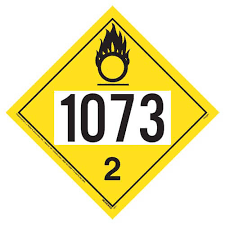
A UN bulk bag is used to transport dangerous materials. These bags must pass a variety of regulations and undergo many tests to be certified to be used for shipment. These regulations ensure that the bulk bags are constructed correctly to safely hold the materials they are transporting. One spill from a bag poorly constructed can be very dangerous to anyone handling the bag during transport.
These bags are made from a variety of materials, but primarily from polypropylene, and are available in a variety of sizes. UN bulk bags are often used to transport food, chemicals, and other hazardous materials. Many products must be shipped in approved UN-certified packaging. Some of these include infectious, explosive, toxic, radioactive, corrosive, flammable, and many more. These types of products are shipped daily across the world in a safe manner. This is due to strict UN requirements regarding testing to ensure the product being shipped will not become a safety factor.
When using UN bulk bags, it is important to follow all safety guidelines. These bags should only be filled with dry materials, and should never be overloaded. The bags should also be stored in a cool, dry place away from direct sunlight. If the bag needs to be transported by truck, it should be properly secured so that it does not shift during transit.
UN bulk bags are a safe and efficient way to transport large quantities of materials. By following all safety guidelines, you can ensure that your materials arrive at their destination safely and in good condition.
Groups and Classifications for UN Bulk Bags
According to the UN Orange Book, which details UN Recommendations on the Transport of Dangerous Goods, there are a variety of UN group classifications and packaging groups for hazardous products and the requirements to ship in bulk bags or another packaging medium. Each hazardous product is given a UN number to signify which class and packaging group it falls under. Once you have this information, the packaging requirements can be determined.
As detailed below, the types of hazardous products are segmented into different classes.
UN Product Classes:
- CLASS 1 – EXPLOSIVES
- CLASS 2 – GASES
- CLASS 3 – FLAMMABLE LIQUIDS
- CLASS 4 – FLAMMABLE SOLIDS; SUBSTANCES LIABLE TO SPONTANEOUS COMBUSTION; SUBSTANCES WHICH, IN CONTACT WITH WATER, EMIT FLAMMABLE GASES
- CLASS 5 – OXIDIZING SUBSTANCES AND ORGANIC PEROXIDES
- CLASS 6 – TOXIC AND INFECTIOUS SUBSTANCES
- CLASS 7 – RADIOACTIVE MATERIAL
- CLASS 8 – CORROSIVE SUBSTANCES
- CLASS 9 – MISCELLANEOUS DANGEROUS SUBSTANCES AND ARTICLES
UN Packaging Groups:
Within each class, the product will then be placed in a Packaging Group based on the degree of danger.
- Packing Group I: Substances presenting a high danger
- Packing Group II: Substances presenting a medium danger
- Packing Group III: Substances presenting a low danger
Manufacturing a Bulk Bag to be UN approved
In order to manufacture a bulk bag that is UN approved, there are a few requirements that must be met. The manufacturing process begins by selecting the correct material for the bag. The material must be able to safely hold the product being transported and must meet all UN regulations. The material is then cut into the desired size and shape of the bag. The fabric is then sewn together to create the body of the bag. Once it is assembled, the bag must be tested and certified to ensure that it meets all safety requirements. If it passes inspection, the bag can then be used to transport hazardous materials safely and efficiently.
For help in determining the best bulk bag to ship your product, contact us for a consultation.