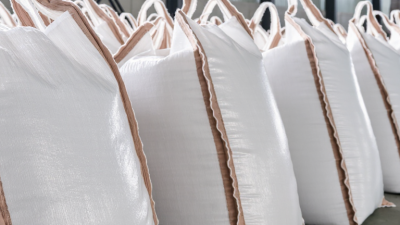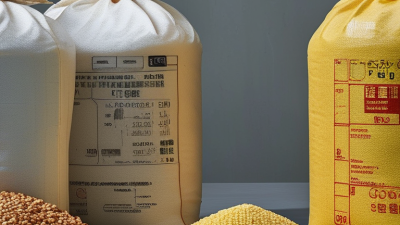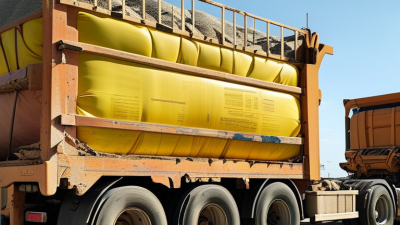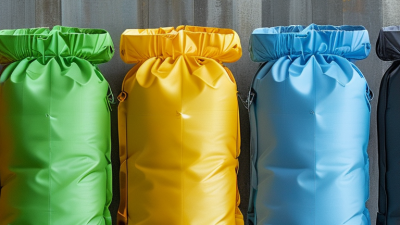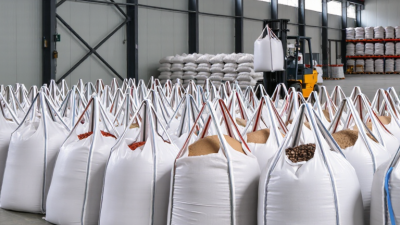
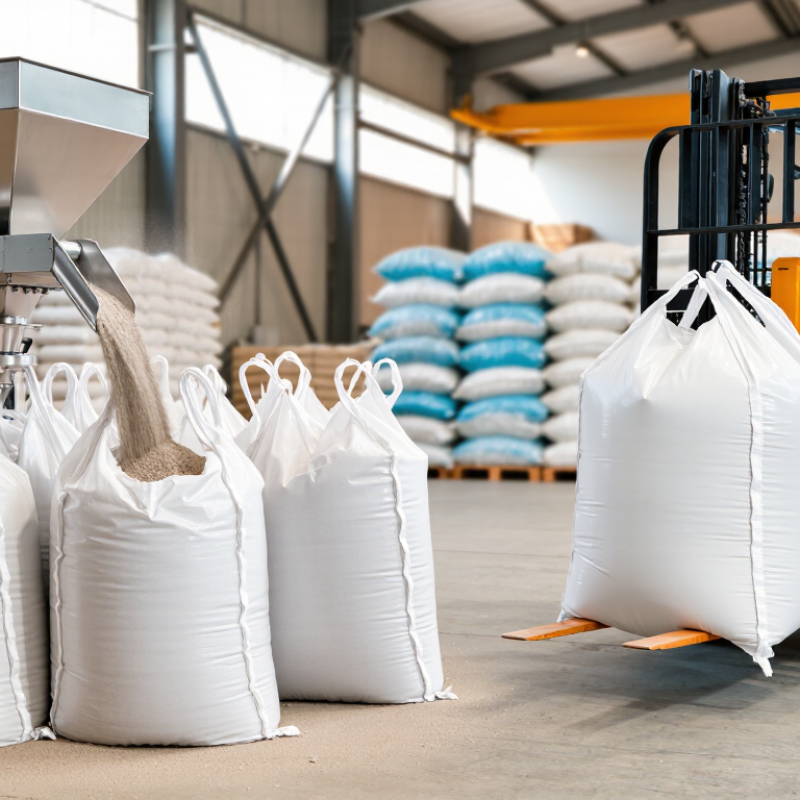
Polypropylene jumbo bags, also known as FIBCs, move large quantities of dry goods in a single flexible container. They are used for products such as grain, animal feed, plastic pellets, mineral powders, and construction materials. At a warehouse, a forklift can lift a filled bag by its loops; at a filling line, a spout can help guide material with less dust and spillage. The right design depends on the product, handling method, and storage conditions. A woven polypropylene body may be coated or uncoated, with liners, lifting loops, and discharge spouts selected for the job. Small details matter.
For this introduction, fictional packaging specialist Alex Morgan offers an illustrative observation, not a verified quotation: “A jumbo bag works well when its design matches the material and the way people handle it.” That is the central question behind their many uses. Some bags are built for repeated handling; others are intended for one trip. Not every bag suits every load. Moisture sensitivity, fine particles, filling equipment, and stacking plans can change the choice. It is easy to focus on capacity and overlook these details. That deserves a second look. This guide explores where polypropylene jumbo bags are commonly used, what their construction can offer, and which practical factors help buyers choose thoughtfully. It will also consider their limitations, because a useful package is not automatically the right package.
Polypropylene jumbo bags, also called flexible intermediate bulk containers (FIBCs), are large woven sacks for moving dry bulk materials. Common contents include grain, plastic pellets, mineral powders, and construction aggregates. Their strength comes from polypropylene tapes woven into a flexible fabric, rather than from a rigid container. PlasticsEurope’s Plastics—The Fast Facts 2024 reports 413.8 million tonnes of plastics were produced worldwide in 2023. That figure covers all plastics, not polypropylene alone, but shows the scale of the material industry behind these products.
Manufacturing begins by melting polypropylene resin and extruding it as a thin film. Slitting turns the film into narrow tapes, which are stretched to improve strength, then woven into fabric. Fabric panels are cut and sewn into a body, with lifting loops added at the corners. Some bags also receive a coating or an inner liner to limit moisture or dust. Small details matter. A poorly sewn loop can undermine an otherwise sound bag.
Before use, designs are checked for load performance and handling needs. ISO 21898:2004 specifies requirements and test methods for FIBCs intended for non-dangerous goods. Capacity depends on the bag’s design and testing; appearance alone is not a reliable guide. In practice, these bags suit bulk storage and transport where forklift lifting and compact empty storage are useful. A slight drawback: once filled, they are harder to handle in tight spaces.
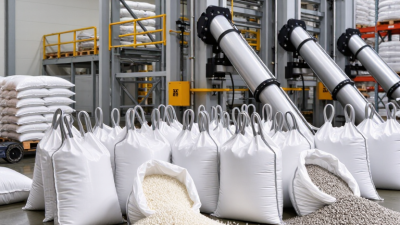
Polypropylene jumbo bags, also called flexible intermediate bulk containers (FIBCs), turn loose materials into forklift-ready loads. Woven polypropylene panels hold grain, resin pellets, mineral powders, and agricultural inputs. Lifting loops transfer weight to forklift tines or crane hooks, while a discharge spout controls flow into a hopper. Small details matter. FIBCA handling guidance describes common safe working loads of roughly 500–2,000 kg, but each bag’s rating depends on its construction and testing.
The design reduces repeated scooping and makes storage more compact. A coated or uncoated woven body can be selected to suit moisture and ventilation needs; liners may help contain fine powders. ISO 21898 sets requirements and test methods for FIBCs used with non-dangerous goods. It is a useful reference, not proof that every bag meets the standard. Check the label, lifting-loop condition, and load rating before use. A seam can look sturdy and still need inspection.
Tips: Match the filling and discharge spouts to the equipment. Keep all lifting loops vertical and evenly supported. Do not assume a bag can be reused just because it looks intact; damage can hide in seams or loop stitching.
| Application | Typical Materials | Design Features | How They Support Handling | Practical Considerations |
|---|---|---|---|---|
| Agriculture and feed | Grain, seed, animal feed, and some fertilizers | Woven polypropylene body, lifting loops, and optional filling or discharge spouts | Loops allow compatible lifting equipment to move filled bags; spouts can help control filling and emptying. | Choose a bag with a rated safe working load suitable for the contents. Food or feed contact suitability must be confirmed for the specific bag. |
| Construction and minerals | Sand, gravel, cement, aggregates, and mineral powders | Heavy-duty woven fabric; coated fabric or an inner liner may be specified for particular materials | Large capacity reduces the number of individual packages that need to be moved and stored. | Fine powders may need a liner or a suitable closure to reduce leakage. A coating can help resist moisture but does not necessarily make a bag waterproof. |
| Plastic and chemical processing | Plastic pellets, resin, and compatible dry chemical powders | Filling and discharge spouts, inner liners, or specialized fabric options | Controlled openings can make it easier to connect filling and discharge equipment and limit spills. | Check chemical compatibility, static-control requirements, and any handling instructions before selecting a bag. |
| Food ingredients | Flour, sugar, starch, and other dry ingredients | May include a food-contact-suitable liner, clean construction, and closable spouts | Enclosed bulk packaging can support transfer between processing and storage areas. | Polypropylene fabric alone does not establish food-grade status. Verify the complete bag specification and applicable requirements. |
| Waste and recycling | Recyclable plastic, textile waste, and dry industrial residues | Open-top, duffle-top, or spout-top configurations, depending on loading needs | The flexible body can be filled in bulk and moved by suitable material-handling equipment. | Confirm that the bag is suitable for the waste type and that its condition, closure, and rated load are appropriate. |
| Storage and transport | Many dry, flowable bulk goods | One or more lifting loops; U-panel, circular, or baffle construction; optional top and bottom closures | Baffles can help a filled bag retain a squarer shape, while loop configuration affects how it can be lifted. | Common safe working load ratings vary by bag; many are designed for loads around 500–2,000 kg. Always follow the rating and handling instructions on the individual bag. |
Note: Polypropylene jumbo bags, also called flexible intermediate bulk containers (FIBCs), are selected according to the material, filling and discharge method, storage conditions, and required load rating. Use only compatible lifting equipment, and never use a bulk bag to lift people.
Polypropylene jumbo bags serve agriculture, construction, chemical processing, and food production. Farms and fertilizer distributors use them for grain, seed, and dry fertilizer. The International Fertilizer Association’s 2024 medium-term outlook estimated global fertilizer demand at about 192.5 million tonnes of nutrients in 2023/24. That figure shows the scale of bulk handling, though it does not measure jumbo-bag use. Scale matters.
Construction suppliers pack materials such as cement, sand, and mineral powders into bulk bags. The USGS Mineral Commodity Summaries 2025 estimated world cement production at roughly 4.2 billion tonnes in 2024. Chemical plants may use bags for plastic resin pellets or powdered additives; food processors may pack ingredients such as flour or sugar. Food applications need suitable food-contact materials and clean handling. A liner can help control moisture or contamination, but it cannot fix poor storage.
Bag design should match the load. Fine powders may need a liner and controlled discharge, while coarse materials can rub against fabric during transport. Lifting loops, filling openings, and safe working capacity matter as much as volume. Still, a jumbo bag is not right for every shipment. Moisture, product flow, and repeated handling can change the choice, and those details are easy to underestimate.
Typical bulk density of materials commonly handled in jumbo bags
Polypropylene jumbo bags are widely used in agriculture, food processing, construction, chemicals, and plastics for bulk materials such as grain, sugar, cement, fertilizer, sand, and resin pellets. Bulk density values are approximate and vary with material grade, moisture, and handling.
Polypropylene jumbo bags are used to move and store dry bulk materials such as grain, mineral powders, resin pellets, and landscaping aggregates. Choosing one for a specific load starts with the material’s weight and density, not just its volume. A cubic metre of light pellets behaves very differently from the same volume of sand. Check the bag’s rated working load and dimensions against the filled load, pallet, and available handling equipment.
Think about how the bag will be filled, lifted, stored, and emptied. Loop placement should suit the forklift or hoist, while the base and seams must match the load and handling conditions. Fine powders may need a liner or tighter fabric weave to limit leakage. Outdoor storage can call for UV-resistant fabric, though prolonged exposure still needs care. Ask for product specifications and test documentation, and confirm that the stated capacity fits your actual use. A close fit matters.
Tips: Weigh a typical filled bag before ordering in quantity. Check that loops sit evenly on the lifting points, and leave room for safe handling. Small details get missed. A trial load can reveal awkward filling or discharge issues before they affect a full shipment.
Polypropylene jumbo bags work best when filling is controlled, not rushed. Set the bag on firm, level ground and secure its lifting loops to a frame or filling station. Feed material steadily so it spreads across the base instead of forming a heavy mound on one side. Keep the safe working load visible, and stop before the bag bulges or strains. Use the correct filling spout and close it securely; fine powders may need a suitable liner or dust-control connection. Small details matter.
Lifting needs equal care. Use every designated loop with a forklift attachment or hoist suitable for the load. Never lift by one loop, drag the bag, or stand beneath it. Raise it smoothly, keep the load low while moving, and set it on a stable surface. For storage, keep bags dry, away from sharp edges and direct sunlight, and stack only as instructed. UV exposure can weaken polypropylene over time. Reuse only bags designed for multiple cycles. Inspect the seams, loops, fabric, and discharge spout for cuts, fraying, leaks, or deformation. A clean-looking bag may still have hidden damage, so appearance alone is not enough. Check that previous contents are compatible with the next load, and clean and dry the bag using a suitable method. If inspection leaves doubt, retire it rather than risk a suspended load.
Copyright 2025 © Custom Packaging Products | All Rights Reserved