China Top 10 Free Ton Bags Suppliers for Global Buyers

China has become a major sourcing base for flexible intermediate bulk containers, commonly called free ton bags. This guide examines ten Chinese suppliers serving international buyers. It focuses on manufacturing evidence, product consistency, export experience, and communication quality. Price matters, but it rarely tells the whole story.

Ian Dent, a recognized FIBC industry specialist, has stated, “Safe handling begins with selecting the right FIBC for the product and the lifting environment.” That principle shapes this comparison. A reliable supplier should explain fabric strength, safe working load, safety factor, liner options, lifting loops, and discharge designs. Buyers should also request test reports, production photographs, inspection records, and samples before placing large orders.

Details matter. A bag holding fine powder needs different protection from one carrying dry agricultural products. A dusty warehouse can expose weak closures and poor liners. A rainy loading dock can reveal inadequate moisture control. The strongest suppliers usually provide clear drawings and traceable specifications. Some also support customized dimensions, printing, palletizing, and container loading plans.

No ranking is perfect. Supplier performance can change with management, raw materials, and order volume. Therefore, this list should support careful verification, not replace it. Buyers should compare quotations against fabric weight, stitching quality, certification validity, lead time, and after-sales response. One overlooked seam can cost more than a small price difference. The following profiles offer a practical starting point for evaluating China’s free ton bags suppliers with greater confidence and fewer assumptions.
China Top 10 Free Ton Bags Suppliers for Global Buyers

What Are Free Ton Bags and How Are They Used?

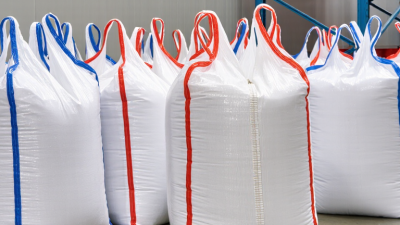
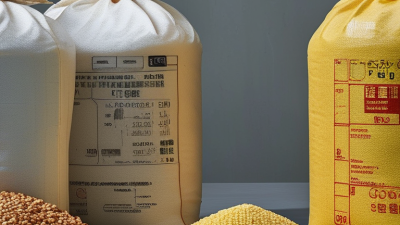
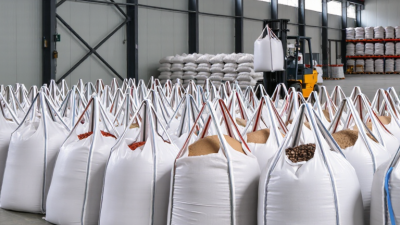
Free ton bags, commonly called ton bags or FIBCs, are large woven polypropylene containers for dry bulk materials. Most models hold 500 to 2,000 kilograms. Four lifting loops allow forklifts or cranes to move them safely. A bottom discharge spout can release powder or granules with better control. Some bags include inner liners for moisture-sensitive products.

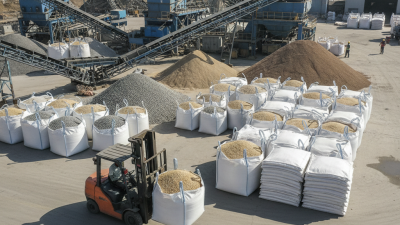
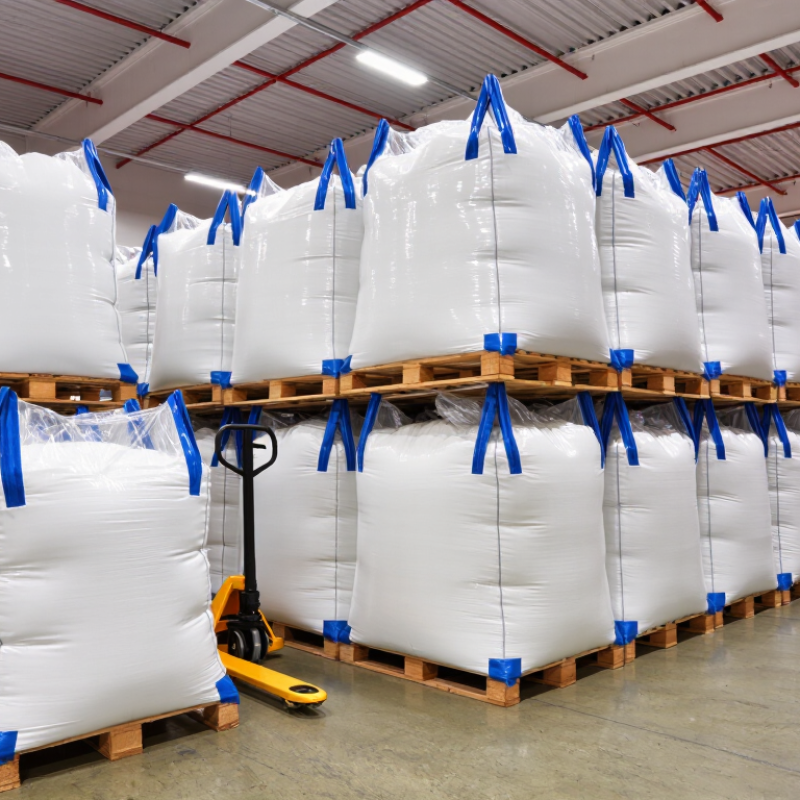
These bags serve agriculture, construction, food processing, mineral handling, and waste management. A typical warehouse scene is simple: one filled bag stands on a pallet, its loops upright, with a label facing the aisle. The bag saves storage space and reduces manual handling. Grand View Research estimated the global FIBC market at about US$6 billion in 2023, with continued growth through 2030. Future Market Insights also forecasts strong expansion, although its market estimates differ. That gap deserves attention. Reports may use different product definitions and regional data.

Practical selection requires more than checking capacity. Buyers should verify fabric strength, safe working load, safety factor, stitching quality, UV resistance, and discharge design. Food-contact applications need suitable materials and documented production controls. Reuse is possible only when the design and inspection process support it. A dirty or damaged bag should not return to service. Small cuts matter. In field operations, poor lifting alignment often causes more trouble than the fabric itself. Better training could prevent many failures.
How to Evaluate China’s Top 10 Free Ton Bag Suppliers

Evaluating China’s top ten free ton bag suppliers requires more than comparing online prices. In practice, I start with the bag’s intended load: fertilizer, grain, minerals, or recycled material. Each use demands different fabric strength, coating, liner, and discharge design. Ask for technical drawings, not only product photographs. A reliable supplier should state fabric denier, safe working load, safety factor, stitching method, and tolerance. Small details matter. A loose seam can turn a warehouse test into an expensive loss.

Factory experience deserves direct verification. Request recent production records, batch samples, and a video inspection of cutting, sewing, printing, and final packing. Certificates should match the actual factory and product, with test dates and issuing laboratories clearly shown. Independent testing is stronger than a polished PDF. Check whether quality staff inspect seams, dimensions, moisture protection, and lifting loops during production. I once treated a low price as evidence of efficiency; it later reflected thinner fabric and weaker inspection. That mistake changed my evaluation sheet.

Compare suppliers using the same written specification and sample approval process. Review minimum order quantity, lead time, spare capacity, export packaging, and response speed when defects appear. Ask for a corrective-action report from a previous complaint. The answer reveals more than a sales promise. Payment terms and traceable documentation also support commercial reliability. A supplier may pass one sample test yet fail under repeated filling, stacking, or transport vibration. Pilot orders are sensible, although they add time. Keep records of sample weight, seam results, and delivery condition before ranking the final ten suppliers.

China Top 10 Free Ton Bag Suppliers for Global Buyers

How to Evaluate China’s Top 10 Free Ton Bag Suppliers

This buyer evaluation framework prioritizes the factors commonly used in international bulk bag procurement. Product quality and compliance receive the highest weighting, followed by customization capability, production capacity, export experience, lead time, total cost, and communication. Buyers should verify certifications, samples, factory capacity, inspection records, and shipping performance before selecting a supplier.

Supplier Profiles: Products, Industries, and Export Capabilities

China’s ton bag suppliers generally serve global buyers through configurable FIBC production. Their product ranges include standard four-loop bags, circular designs, ventilated bags, and bags with polyethylene liners. Some factories add sift-proof seams, UV treatment, or coated fabric for moisture control. Product choice should follow load density, filling method, discharge style, and storage conditions. A practical supplier will provide fabric test data, sample measurements, and clear tolerances before production. Details matter.

Suppliers commonly support agriculture, food ingredients, minerals, construction materials, plastics, and recycling operations. Food-contact projects require controlled materials, clean production areas, and documented traceability. Mineral and construction applications usually need stronger fabric, stable lifting loops, and abrasion resistance. Agricultural buyers may prioritize ventilation, laminated surfaces, or printed handling marks. From experience, a sample can reveal problems that a polished catalog hides, especially difficult discharge and uneven stitching.

Export capability differs widely. Experienced exporters can prepare commercial invoices, packing lists, certificates of origin, inspection records, and container-loading plans. They should explain lead times, pallet options, moisture protection, and communication during port delays. Buyers should verify factory capacity rather than rely on trading promises. A remote audit helps, though it is not perfect. I would also request a trial order, because production consistency may change after sampling. Clear claims beat impressive claims.

Comparing Quality, Customization, Pricing, and Minimum Orders

China Top 10 Free Ton Bags Suppliers for Global Buyers

Quality should lead any comparison of China’s top ten free ton bag suppliers. FIBC performance depends on polypropylene grade, fabric weight, seam strength, and loop construction. A 2024 Grand View Research report estimates the global FIBC market will expand steadily through 2030. That growth increases supplier choice, but not necessarily consistency. Ask for third-party test records showing safe working load, safety factor, drop resistance, and UV performance. A 5:1 safety factor may suit general handling, while demanding applications can require 6:1 designs. Samples matter. Paper specifications can still hide weak stitching.

Customization affects both usefulness and price. Buyers can request specific dimensions, four corner loops, coated fabric, liners, discharge spouts, or printed panels. Each change may raise tooling, inspection, and production costs. Resin prices also influence quotations because polypropylene is the main raw material. A recent Smithers flexible packaging outlook highlights continuing pressure from material costs and supply-chain volatility. Therefore, compare landed cost, not only the factory price. Minimum orders often range from a few hundred bags to several thousand, depending on printing, liners, and special dimensions. Smaller orders usually carry higher unit prices.

Tips: Request one production sample and a batch inspection before shipment. Confirm whether testing covers the finished bag, not only the fabric. Clarify lead time, replacement terms, packaging, and export documents in writing. A low quote can be attractive. It can also signal thinner fabric, rushed sewing, or incomplete testing. I would question every unexplained saving. Mistakes here are easy to overlook and expensive to correct.

How Global Buyers Can Select and Purchase the Right Supplier

China Top 10 Free Ton Bags Suppliers for Global Buyers

How Global Buyers Can Select and Purchase the Right Supplier

Selecting a ton bag supplier requires more than comparing prices. Define the load, filling method, discharge design, dimensions, and required safety factor. For example, a 90 x 90 x 110 cm bag may suit one material, but not another. Ask whether the fabric is coated, UV-treated, or fitted with an inner liner. Small differences affect moisture protection and unloading speed.

Request production samples before placing a large order. Check stitching density, corner loops, fabric weight, and seam strength by hand. A reliable supplier should provide test reports, material specifications, factory photos, and clear quality procedures. Buyers should also verify export experience, production capacity, inspection support, and communication response time. Independent inspection can confirm weight, dimensions, and workmanship before shipment. It costs money, but replacement costs more.

Do not accept vague quotations. A complete offer should state bag structure, printing, packaging, delivery terms, payment stages, and lead time. Confirm whether the price includes sampling, pallet loading, and testing. Keep approved samples with the purchase contract. I have seen buyers focus heavily on the lowest offer, then discover uneven seams and delayed delivery. That choice was understandable, but not careful enough. Supplier selection also needs a backup plan, because even experienced factories may face material shortages or production errors. Examine the first shipment closely, record defects, and adjust future orders from actual performance.

China Top 10 Free Ton Bags Suppliers for Global Buyers - How Global Buyers Can Select and Purchase the Right Supplier

Anonymous supplier comparison based on commonly published FIBC specifications, international standards, and buyer-screening criteria

Rank Anonymous Supplier Profile Main Production Focus Typical SWL Safety Factor Available Construction Quality Documentation to Request Indicative MOQ Typical Production Lead Time Best Buyer Fit
1 Profile A — High-Volume Export Manufacturer Standard U-panel and circular FIBC bags 500–2,000 kg 5:1 or 6:1 Coated or uncoated woven polypropylene; top filling and bottom discharge options Pre-shipment inspection, fabric test report, seam-strength report, loading photos 500–1,000 pcs 25–40 days Importers requiring stable repeat production and container-scale shipments
2 Profile B — Food-Grade Packaging Specialist Food, grain, starch, and ingredient packaging 500–1,500 kg 5:1 Food-contact fabric, PE liner, sift-proof seams, clean-room packing where required Food-contact declaration, migration test, hygiene procedure, lot traceability 300–800 pcs 30–45 days Food and agricultural buyers needing documented contamination controls
3 Profile C — UN-Certified Dangerous-Goods Producer Packaging for selected powders and hazardous materials 500–1,250 kg 6:1 UN-tested construction, liner options, sift-proof and anti-static configurations Valid UN test certificate, design type approval, batch traceability, test records 500–1,000 pcs 35–50 days Chemical and industrial buyers whose cargo requires regulated packaging
4 Profile D — Agricultural Bulk-Bag Supplier Seeds, feed, fertilizer, and crop products 500–2,000 kg 5:1 UV-treated fabric, ventilated panels, coated fabric, dust-control seams UV-resistance test, SWL verification, fabric GSM report, pest-control process 300–1,000 pcs 25–40 days Agricultural distributors and seasonal buyers needing flexible specifications
5 Profile E — Reusable and Circular-Packaging Specialist Durable bags designed for controlled reuse 1,000–2,000 kg 6:1 Heavy-duty fabric, reinforced lifting loops, repairable seams, optional recycled content Circularity statement, recycled-content declaration, cycle-test report, cleaning procedure 500–1,500 pcs 35–55 days Industrial users seeking lower packaging waste and longer service life
6 Profile F — Custom Printing and Design Supplier Private-label packaging and complex technical designs 500–1,500 kg 5:1 or 6:1 Four-color printing, baffles, liners, conical bottoms, discharge spouts Approved artwork, color sample, dimensional inspection, seam and load testing 500–1,000 pcs 30–50 days Distributors and manufacturers requiring branded or application-specific packaging
7 Profile G — Small-Batch Flexible Order Supplier Prototypes, trial orders, and mixed specifications 500–1,000 kg 5:1 Common sizes, standard lifting loops, coated or uncoated fabric, basic liners Pre-production sample, dimensional report, material declaration, packing checklist 100–500 pcs 20–35 days Start-ups, wholesalers, and buyers validating a new market or product design
8 Profile H — Construction and Mineral-Bulk Specialist Sand, cement additives, minerals, and aggregates 1,000–2,000 kg 5:1 or 6:1 Abrasion-resistant fabric, dust-proof seams, high-strength loops, discharge options Abrasion test, load test, seam-strength report, pallet and container loading plan 500–1,500 pcs 25–45 days Construction-material importers handling dense and abrasive products
9 Profile I — Anti-Static and Conductive Bag Specialist Sensitive powders and products requiring static-control measures 500–1,500 kg 5:1 or 6:1 Type B, C, or D configurations subject to application and grounding requirements Surface-resistance test, grounding instructions, antistatic test report, handling procedure 300–800 pcs 35–55 days Chemical, pharmaceutical, and powder-processing buyers with static risks
10 Profile J — Fast-Response Stock and Export Supplier Standard bags for urgent replenishment orders 500–1,000 kg 5:1 Stock sizes, standard four-loop design, coated or uncoated fabric, optional liner Stock inspection, material specification, quantity verification, export packing record 100–500 pcs 15–30 days Traders and distributors prioritizing availability and shorter replenishment cycles
Buyer verification note: SWL, safety factor, UN approval, food-contact suitability, anti-static classification, lead time, and MOQ must be confirmed against the supplier’s current technical documents and a production sample before purchase. The listed quantities and timelines are practical screening ranges rather than company-specific claims.